Home Blog Page 186

Buried by Waves, Found by Wonder: The Cities That Time Forgot

0

For centuries, legends spoke of cities swallowed by the sea—Atlantis, Dwarka, Heracleion. Today, those myths are meeting reality as archaeologists and divers uncover astonishing ruins beneath the ocean’s surface. From intricately carved stone temples to bustling marketplaces frozen in time, these submerged cities are rewriting our understanding of ancient civilizations and the forces that erased them.

Civilizations Lost to the Waves

What causes a thriving city to vanish beneath the sea? The answers lie in nature’s fury and the planet’s shifting moods:

  • Rising Sea Levels: As ice caps melted and coastlines changed, low-lying settlements were gradually engulfed.
  • Earthquakes & Tsunamis: Sudden tectonic shifts triggered massive waves, drowning entire cities in minutes.
  • Volcanic Eruptions: Like Pompeii, some coastal towns were buried under ash and later submerged by the sea.

These weren’t minor villages—they were hubs of trade, culture, and innovation. Their disappearance wasn’t just a geological event; it was a cultural erasure.

Cities That Vanished Underwater

Heracleion (Thonis-Heracleion), Egypt

Buried by Waves, Found by Wonder: The Cities That Time Forgot
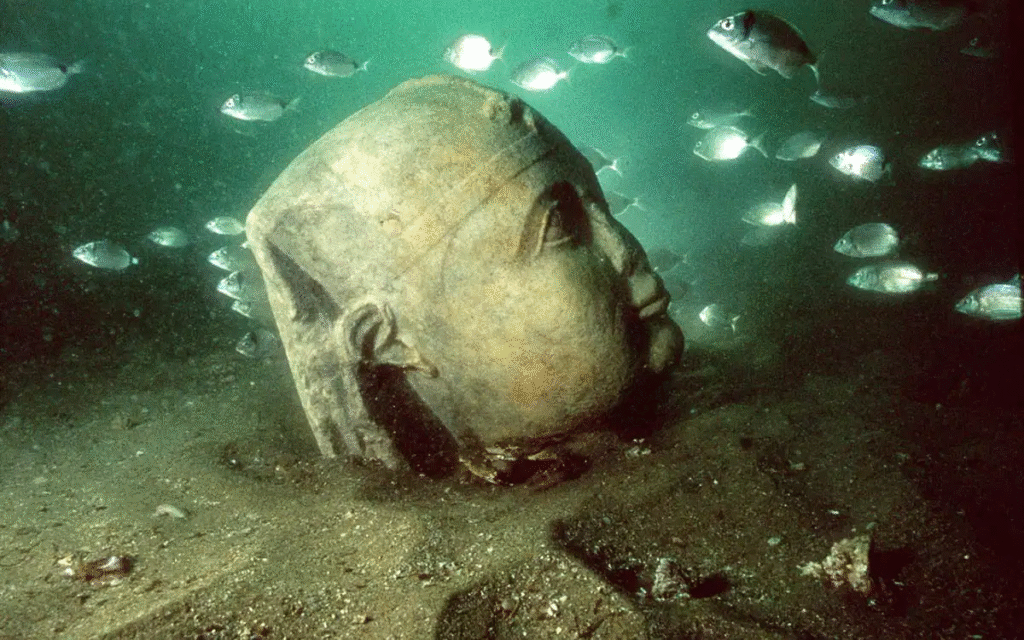
  • Once Egypt’s main port before Alexandria rose to power.
  • Submerged due to earthquakes and soil liquefaction around the 8th century AD.
  • Rediscovered in 2000 in Abu Qir Bay, revealing temples, colossal statues, shipwrecks, and inscriptions.

Pavlopetri, Greece

Buried by Waves, Found by Wonder: The Cities That Time Forgot
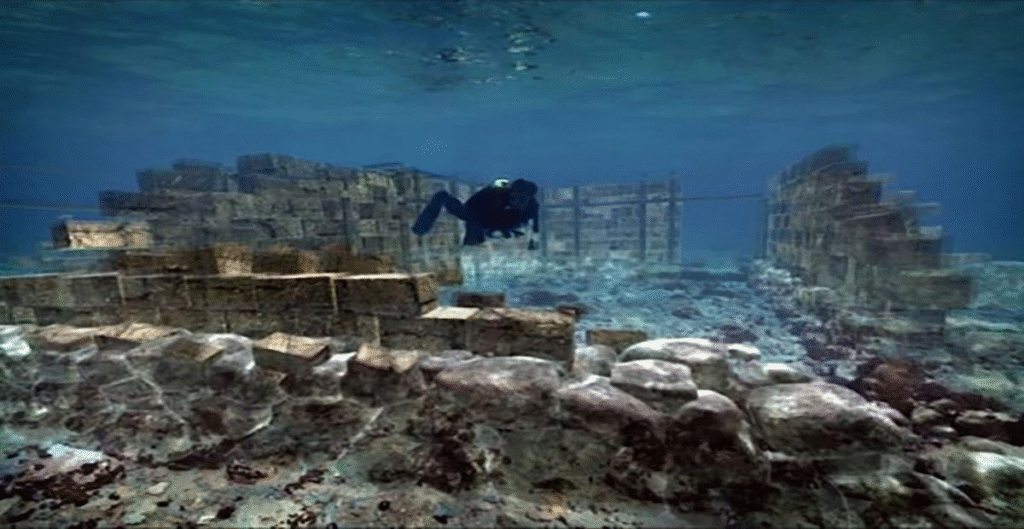
  • Oldest known underwater city, dating back to around 2800 BCE.
  • Features a complete town layout: streets, buildings, tombs.
  • Submerged due to earthquakes and rising sea levels around 1000 BCE.

Dwarka, India

Buried by Waves, Found by Wonder: The Cities That Time Forgot

  • Linked to Lord Krishna and the Mahabharata.
  • Archaeological finds include stone anchors, walls, and pottery dating back over 9,000 years.
  • Submerged due to rising sea levels and possibly seismic activity.

Shicheng (Lion City), China

Buried by Waves, Found by Wonder: The Cities That Time Forgot
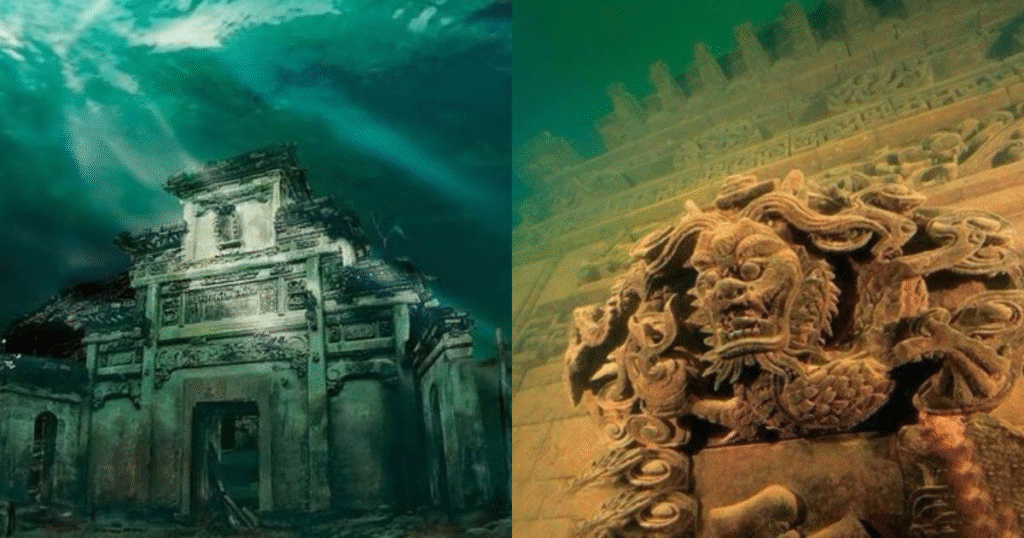
  • Flooded in 1959 to create Qiandao Lake for a hydroelectric dam.
  • Dates back to the Ming and Qing dynasties.
  • Preserved underwater with temples, arches, and stone carvings.

Canopus, Egypt

Buried by Waves, Found by Wonder: The Cities That Time Forgot
  • A major religious and trade hub before Alexandria.
  • Submerged by earthquakes and rising sea levels by the 8th century AD.
  • Recent finds include statues of Ramesses II and Roman nobles.

Atlit-Yam, Israel

Buried by Waves, Found by Wonder: The Cities That Time Forgot

  • Neolithic village dating back to 6900 BCE.
  • Submerged due to post-glacial sea level rise.
  • Contains wells, megaliths, human burials, and evidence of early agriculture.

Cleopatra’s Royal Quarter, Egypt

Buried by Waves, Found by Wonder: The Cities That Time Forgot
  • Located off Alexandria’s coast, including the island of Antirhodos.
  • Submerged due to earthquakes and tsunamis around 1400 years ago.
  • Franck Goddio’s team uncovered statues, sphinxes, and palace ruins.

Port Royal, Jamaica

Buried by Waves, Found by Wonder: The Cities That Time Forgot
  • Pirate haven and “Wickedest City on Earth” in the 17th century.
  • Destroyed by a massive earthquake and tsunami in 1692.
  • Submerged ruins include streets, taverns, and artifacts from daily life.

Samabaj, Guatemala

Buried by Waves, Found by Wonder: The Cities That Time Forgot
  • Maya pilgrimage site submerged in Lake Atitlán.
  • Possibly sank due to volcanic activity or rising water levels around 250–300 CE.
  • Features altars, plazas, and ceremonial structures.

Yonaguni Monument, Japan

Buried by Waves, Found by Wonder: The Cities That Time Forgot
  • Mysterious underwater rock formations off Yonaguni Island.
  • Debate continues: natural geological formations or remnants of an ancient civilization?
  • Resembles stepped pyramids and terraces.

Baiae, Italy

Buried by Waves, Found by Wonder: The Cities That Time Forgot
  • Roman resort town for emperors like Nero and Hadrian.
  • Submerged due to volcanic bradyseism (land rising and falling).
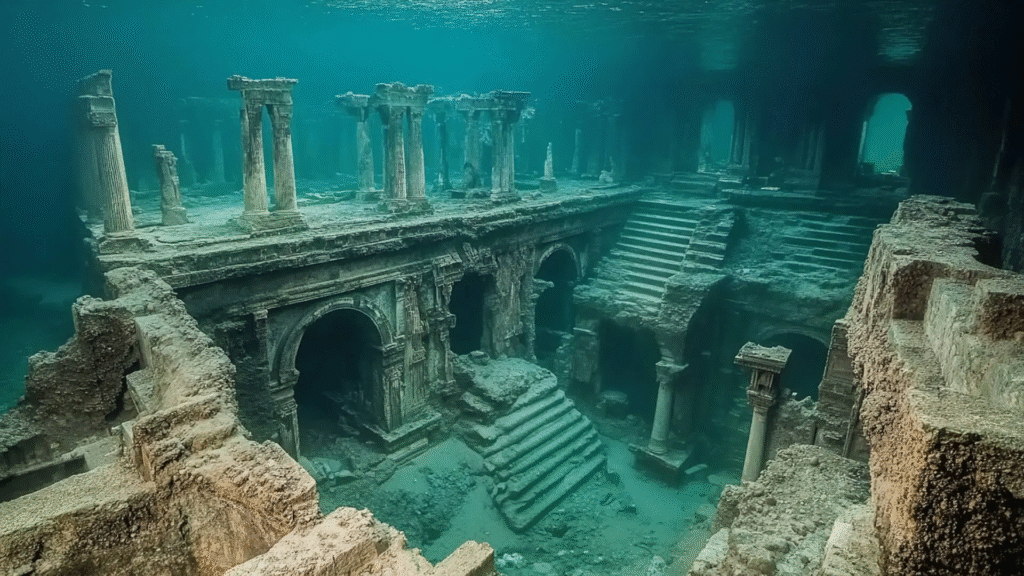
  • Now an underwater archaeological park with mosaics, villas, and thermal baths.

Each of these cities whispers stories of grandeur, catastrophe, and resilience. If you’re crafting a campaign or reel around these, I can help dramatize them with bold headlines, emotional hooks, or even a “Sunken Civilizations” series. Want to dive deeper into one of them?

Ajaygarh Fort: A Historic Gem Nestled in the Vindhya Hills

0

LOcated approximately 75 kilometers from the UNESCO World Heritage Site of Khajuraho, Ajaygarh Fort stands as a testament to the grandeur of the Chandel dynasty atop the Vindhya Hills in Madhya Pradesh. Known historically as Ajagarh, this formidable fortress served as a military stronghold and administrative hub during the Chandel reign from the 9th to 13th centuries. Perched on a flat hilltop, accessible by climbing nearly 500 steep steps, the fort offers breathtaking views of the majestic Ken River, blending rich history with natural splendor.


A Legacy of the Chandel Dynasty

Ajaygarh Fort was a pivotal center during the Chandel dynasty’s rule, symbolizing their military and administrative prowess. After the establishment of the Bundelkhand principality in 1785, it briefly served as the capital before being integrated into the Indian Union in 1948.
Cultural Importance: The fort’s ruins, including remnants of Jain and Hindu temples, reflect the Chandel era’s artistic and architectural brilliance, making it a significant cultural landmark.

Architectural and Artistic Marvels

Intricate Rock Carvings: The fort’s walls and structures are adorned with intricate rock carvings, showcasing the exceptional craftsmanship of medieval Indian artisans.
Unique Temple Structures: The fort houses several temples, some decorated with geometric designs, alongside sculptures of deities like Kartikeya, Ganesha, Jain Tirthankaras, and Shiva Lingams, highlighting the Chandel dynasty’s artistic legacy. Strategic Hilltop Design: Built on a flat plateau in the Vindhya Range, Ajaygarh is a classic example of a “Van Durg” (forest fort), leveraging its elevated position for natural defense against invaders.


A Blend of History and Nature

Scenic Beauty: Perched atop the Vindhya Hills, Ajaygarh Fort offers panoramic views of the surrounding landscapes and the serene Ken River, making it a haven for nature lovers and history enthusiasts alike.

Adventure and Exploration: The climb of approximately 500 steps to reach the fort adds an element of adventure, rewarding visitors with a unique blend of historical exploration and natural beauty.

Why Visit Ajaygarh Fort?

Chandel Dynasty Heritage: A living symbol of the Chandel rulers’ legacy, the fort offers a glimpse into their storied past.

Military and Administrative Hub: Beyond its defensive role, Ajaygarh was a key administrative center for the Chandel dynasty.

Vindhya Hills Setting: Its strategic location on a hilltop provides both historical significance and stunning vistas.

Ken River Views: The fort’s elevated position offers mesmerizing views of the Ken River, enhancing its allure.

Historical and Natural Fusion: Ajaygarh seamlessly combines a rich historical narrative with the serene beauty of its surroundings.

A Must-Visit Destination

Ajaygarh Fort, with its ancient temples, intricate carvings, and strategic hilltop location, is a hidden gem near Khajuraho. It offers a unique opportunity to explore Madhya Pradesh’s rich history, architectural brilliance, and natural beauty. Whether you’re a history buff, a nature enthusiast, or an adventure seeker, Ajaygarh Fort promises an unforgettable journey into India’s glorious past.

India’s Geological Marvels Shine: Seven New Sites Added to UNESCO’s Tentative World Heritage List

0

PC:(Wikipedia,Pintrest,Luxury trails of india,Taxi bazar)

India has recently added seven remarkable natural heritage sites to UNESCO’s Tentative World Heritage List, elevating the country’s total representation to 69 sites, including 50 natural sites. These additions, encompassing geological wonders, ancient structures, and remnants of prehistoric civilizations, showcase India’s rich and diverse heritage, from the Deccan Traps in Maharashtra to the sacred Tirumala Hills in Andhra Pradesh. This milestone underscores India’s commitment to preserving its cultural and natural treasures for future generations.


Deccan Traps (Panchgani and Mahabaleshwar, Maharashtra): A Volcanic Legacy

Geological Significance: The Deccan Traps, one of the world’s largest volcanic provinces, bear evidence of massive volcanic eruptions from 66 million years ago, linked to a pivotal climatic event in Earth’s history.

Structure: Layers of lava over 2,000 meters thick form this expansive basalt landscape.

Conservation: Recognized as a potential UNESCO World Heritage Site, this geological marvel is a testament to Earth’s ancient past.


St. Mary’s Island (Udupi, Karnataka): A Volcanic Relic

Geological Significance: Known for its rare columnar rhyolitic lava formations, St. Mary’s Island reflects volcanic activity from the time Madagascar separated from India millions of years ago.

Structure: The island features striking hexagonal lava columns formed by rapid cooling.

Conservation: Declared a National Geo-Heritage Monument by the Geological Survey of India (GSI) in 2001, it now graces UNESCO’s tentative list.


Meghalayan Age Caves (East Khasi Hills, Meghalaya): A Global Geological Marker

Geological Significance: The Mawmluh Cave in Meghalaya is a global reference point for the ‘Meghalayan Age,’ the most recent phase of the Holocene epoch.

Structure: These limestone caves house unique stalactites and stalagmites, offering insights into Earth’s climatic history.

Conservation: A strong contender for UNESCO World Heritage status, these caves highlight India’s geological diversity.


Naga Hills Ophiolite (Kiphire, Nagaland): Remnants of an Ancient Ocean

Geological Significance: This rare ophiolite complex, a remnant of the ancient Tethys Ocean’s crust and mantle, provides critical clues to the tectonic processes that formed the Himalayas.

Structure: A complex mix of oceanic crust and upper mantle rocks.

Conservation: Designated a National Geological Monument by the GSI, it has now been added to UNESCO’s tentative list.


Erra Matti Dibbalu (Visakhapatnam, Andhra Pradesh): Coastal Red Sand Dunes

Geological Significance: These rare coastal red sand dunes preserve records of climate change and sea-level fluctuations from the late Pleistocene era.
Structure: Composed of sand, silt, and clay, the dunes’ red hue results from natural oxidation.
Conservation: Declared a National Geo-Heritage Monument in 2016, it now strengthens India’s UNESCO tentative list.


Tirumala Hills (Tirupati, Andhra Pradesh): A Geological Time Capsule


Geological Significance: The Tirumala Hills showcase a rare geological feature known as the Eparchean Unconformity, marking a significant gap between ancient rocks and newer sedimentary layers.
Structure: The site features Proterozoic Nagari Quartzite and overlying formations.
Conservation: Its inclusion in UNESCO’s tentative list highlights its importance in understanding Earth’s geological history.

Varkala Cliffs (Kerala): Coastal Geological Wonders


Geological Significance: The red laterite cliffs of Varkala, formed during the Mio-Pliocene era, are a rare feature along India’s coastline, shaped by erosion.
Structure: Stretching 5 km along the Arabian Sea, these cliffs are a striking example of coastal geomorphology.
Conservation: Recently added to UNESCO’s tentative list, Varkala’s cliffs enhance India’s geological heritage.


A Step Toward Global Recognition

The inclusion of these seven sites in UNESCO’s Tentative World Heritage List positions them as strong candidates for final inscription as World Heritage Sites. This recognition not only elevates their global status but also emphasizes the need for their preservation.

Preserving India’s Natural and Cultural Legacy

By adding these sites, India reaffirms its dedication to safeguarding its unparalleled natural and cultural heritage. These geological treasures, spanning from the volcanic Deccan Traps to the sacred Tirumala Hills, reflect the country’s deep connection to its ancient past.

India’s Growing Presence on the Global Stage

With these additions, India’s tally on UNESCO’s tentative list reaches 69, including 50 natural sites. This diverse portfolio, encompassing geological wonders and cultural landmarks, underscores India’s rich heritage and its commitment to sharing it with the world.

These seven new entries not only highlight India’s geological diversity but also serve as a reminder of the importance of preserving these natural wonders for future generations.

Palawan Crowned World’s Best Island for 2025: A Paradise of Pristine Beauty and Adventure

0

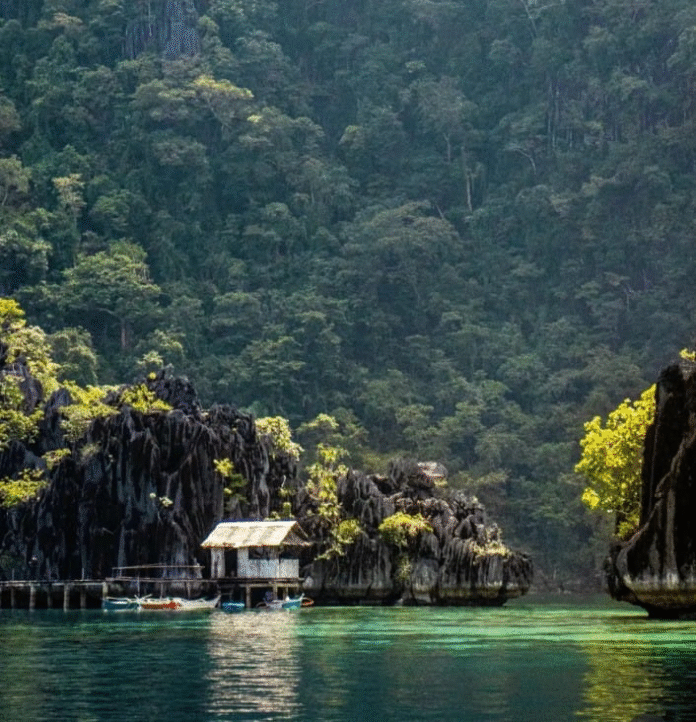
Palawan, Philippines, has been named the World’s Best Island to Visit for 2025 by U.S. News & World Report, solidifying its status as a global travel gem. Celebrated for its breathtaking coastlines, crystal-clear waters, and vibrant marine life, Palawan offers unparalleled island-hopping experiences and adventure opportunities. From the UNESCO-listed Puerto Princesa Subterranean River National Park to the stunning lagoons of Bacuit Bay in El Nido, this tropical paradise combines natural splendor with sustainable tourism practices to preserve its pristine beauty. Here’s why Palawan is the ultimate destination for 2025.

Why Palawan Stands Out

Palawan’s recognition as the top island destination stems from its unique blend of natural wonders and immersive experiences. U.S. News & World Report praised its “impressive coastlines, immersive experiences, and alluring characteristics,” highlighting the island’s pristine beaches, diverse marine life, and opportunities for adventure. Whether you’re kayaking through caves or snorkeling in vibrant coral reefs, Palawan delivers unforgettable moments for every traveler.

Key Attractions of Palawan

Puerto Princesa Subterranean River National Park

A UNESCO World Heritage Site, this underground river offers a mesmerizing cave-kayaking experience through dramatic limestone formations.Kayangan Lake, Coron: Known for its crystal-clear waters, this lake is one of the most picturesque spots in Palawan, perfect for swimming and photography.Bacuit Bay, El Nido: Famous for its dramatic lagoons and towering limestone cliffs, this bay is a must-visit for island-hopping and snorkeling.Pristine Beaches and Marine Life: Palawan’s untouched beaches and vibrant underwater ecosystems make it a haven for relaxation and marine exploration.

Sustainability at the Heart of Palawan’s Appeal

Palawan’s natural beauty is a treasure that requires careful preservation. The U.S. News & World Report ranking emphasizes the importance of sustainable tourism in maintaining the island’s splendor. By promoting eco-friendly practices, Palawan ensures that its clear waters, lush jungles, and diverse marine life remain unspoiled for future generations. Visitors are encouraged to respect the environment, supporting local efforts to protect this paradise.

Palawan’s Global Ranking Triumph

In a competitive field of 24 world-class destinations, Palawan outshone renowned islands like Santorini (4th), Tahiti (7th), and the Bahamas (17th). Within Southeast Asia, it surpassed Bali, which ranked 19th. This top ranking builds on Palawan’s growing reputation, following accolades such as:13th Best Island in the World and 5th in Asia by Travel + Leisure in 2024.
10th Most Desirable Island in the World by Wanderlust Travel Magazine.

Must-Do Experiences in Palawan

Palawan offers a wealth of activities for travelers seeking adventure, relaxation, or cultural immersion. Here are the top experiences to add to your itinerary:Explore the Puerto Princesa Subterranean River: Take a guided boat tour through this UNESCO-listed park for a one-of-a-kind underground adventure.Visit Coron: Swim in the pristine waters of Kayangan Lake and explore Coron’s stunning islands and coral reefs.
Discover El Nido: Embark on an island-hopping tour to marvel at the dramatic lagoons and limestone cliffs of Bacuit Bay.
Go Kayaking and Snorkeling: Paddle through caves or dive into Palawan’s vibrant underwater world to witness its rich marine biodiversity.

Why Visit Palawan in 2025?

Palawan’s blend of natural beauty, adventure, and cultural warmth makes it an irresistible destination. The island’s clear waters, untouched beaches, and welcoming Filipino hospitality create a perfect escape for travelers. Whether you’re an adventure enthusiast, a nature lover, or simply seeking a serene beach getaway, Palawan offers something for everyone. Its recognition as the World’s Best Island for 2025 is a testament to its enduring allure and commitment to sustainable tourism.


Palawan Crowned World’s Best Island for 2025: A Paradise of Pristine Beauty and Adventure

Palawan, Philippines, has been named the World’s Best Island to Visit for 2025 by U.S. News & World Report, solidifying its status as a global travel gem. Celebrated for its breathtaking coastlines, crystal-clear waters, and vibrant marine life, Palawan offers unparalleled island-hopping experiences and adventure opportunities. From the UNESCO-listed Puerto Princesa Subterranean River National Park to the stunning lagoons of Bacuit Bay in El Nido, this tropical paradise combines natural splendor with sustainable tourism practices to preserve its pristine beauty. Here’s why Palawan is the ultimate destination for 2025.

Why Palawan Stands Out

Palawan’s recognition as the top island destination stems from its unique blend of natural wonders and immersive experiences. U.S. News & World Report praised its “impressive coastlines, immersive experiences, and alluring characteristics,” highlighting the island’s pristine beaches, diverse marine life, and opportunities for adventure. Whether you’re kayaking through caves or snorkeling in vibrant coral reefs, Palawan delivers unforgettable moments for every traveler.

Key Attractions of Palawan

Sustainability at the Heart of Palawan’s Appeal

A UNESCO World Heritage Site, this underground river offers a mesmerizing cave-kayaking experience through dramatic limestone formations.Kayangan Lake, Coron: Known for its crystal-clear waters, this lake is one of the most picturesque spots in Palawan, perfect for swimming and photography .Bacuit Bay, El Nido: Famous for its dramatic lagoons and towering limestone cliffs, this bay is a must-visit for island-hopping and snorkeling.Pristine Beaches and Marine Life: Palawan’s untouched beaches and vibrant underwater ecosystems make it a haven for relaxation and marine exploration.

Puerto Princesa Subterranean River National Park

Palawan’s natural beauty is a treasure that requires careful preservation. The U.S. News & World Report ranking emphasizes the importance of sustainable tourism in maintaining the island’s splendor. By promoting eco-friendly practices, Palawan ensures that its clear waters, lush jungles, and diverse marine life remain unspoiled for future generations. Visitors are encouraged to respect the environment, supporting local efforts to protect this paradise.

Palawan’s Global Ranking Triumph

In a competitive field of 24 world-class destinations, Palawan outshone renowned islands like Santorini (4th), Tahiti (7th), and the Bahamas (17th). Within Southeast Asia, it surpassed Bali, which ranked 19th. This top ranking builds on Palawan’s growing reputation, following accolades such as:13th Best Island in the World and 5th in Asia by Travel + Leisure in 2024.
10th Most Desirable Island in the World by Wanderlust Travel Magazine.

Must-Do Experiences in Palawan

Palawan offers a wealth of activities for travelers seeking adventure, relaxation, or cultural immersion. Here are the top experiences to add to your itinerary:explore the Puerto Princesa Subterranean River: Take a guided boat tour through this UNESCO-listed park for a one-of-a-kind underground adventure.

Visit Coron: Swim in the pristine waters of Kayangan Lake and explore Coron’s stunning islands and coral reefs.
Discover El Nido: Embark on an island-hopping tour to marvel at the dramatic lagoons and limestone cliffs of Bacuit Bay.
Go Kayaking and Snorkeling: Paddle through caves or dive into Palawan’s vibrant underwater world to witness its rich marine biodiversity.

Why Visit Palawan in 2025?

Palawan’s blend of natural beauty, adventure, and cultural warmth makes it an irresistible destination. The island’s clear waters, untouched beaches, and welcoming Filipino hospitality create a perfect escape for travelers. Whether you’re an adventure enthusiast, a nature lover, or simply seeking a serene beach getaway, Palawan offers something for everyone. Its recognition as the World’s Best Island for 2025 is a testament to its enduring allure and commitment to sustainable tourism.

Residency for Indian Citizens: A Gateway to Long-Term Stability

0

Japan has streamlined its Permanent Residency (PR) process for Indian citizens, offering an affordable and accessible pathway to live and work in the country indefinitely. With an application fee of just ¥8,000 (approximately Rs 4,800), this initiative provides Indian nationals with long-term stability, job flexibility, and access to social benefits. Designed to address Japan’s aging population and shrinking workforce, the simplified PR process is a win-win, attracting skilled professionals while offering individuals a secure future in one of the world’s most advanced economies.

What is Permanent Residency (PR)?

Permanent Residency in Japan grants foreign nationals the right to live and work in the country without the need for visa renewals. This status offers significant advantages, including:Indefinite Stay PR holders can reside in Japan permanently, free from visa expiration concerns.
-Job Freedom Unlike work visas, PR allows unrestricted job changes and the ability to pursue side jobs or entrepreneurship without requiring approval.Stability and Integration PR provides long-term security, enabling deeper integration into Japanese society through access to loans, property ownership, and social benefits.

Why Choose Japan?

Japan’s appeal lies in its unique blend of tradition and modernity, offering a high quality of life, a robust job market, and a safe, stable environment. For Indian citizens, Permanent Residency is not just a legal status but a gateway to building a fulfilling life in one of the world’s most dynamic nations.

Why Japan is Easing PR for Indians

Japan’s aging population and declining workforce have prompted the government to attract and retain skilled foreign talent. By simplifying the PR process, Japan aims to bolster its economy with professionals who can contribute to its growth. For Indian citizens, this policy offers a unique opportunity to build a stable and prosperous life in a country known for its rich culture, strong job market, and high quality of life.

Eligibility Pathways for Indian Citizens

The eligibility criteria for Permanent Residency vary depending on an applicant’s circumstances, offering tailored pathways for skilled professionals, general applicants, and family members.Skilled Professionals (Points-Based System)Japan’s points-based system evaluates applicants based on qualifications, work experience, and language proficiency. Highly skilled professionals can fast-track their PR application:80+ Points: Eligible after just 1 year of residence.70+ Points: Eligible after 3 years of residence.

General Applicants

For those who don’t qualify under the points-based system:

  • Must have resided in Japan for at least 10 consecutive years, including 5 years on a valid work or family visa.
    Spouses and ChildrenFamily members of Japanese nationals or PR holders have expedited pathways,Spouses. Indian nationals married to a Japanese citizen or PR holder for 3 years (with at least 1 year of residence in Japan) are eligible.
    Children of Japanese nationals or PR holders can apply after 1 year of residence in Japan.

How to Apply for Permanent Residency

The application process for PR is straightforward but requires careful preparation. Here’s a step-by-step guide:

  1. Gather Documents: Collect necessary documents, including your application form, passport, residence card, proof of residence and income, tax certificates, and guarantor documents. All documents must be in Japanese or officially translated.
  2. Submit Application: File your application at the local Immigration Bureau before your current visa expires.
  3. Pay the Fee: Submit the ¥8,000 application fee (approximately Rs 4,789) using revenue stamps.
  4. Wait for Processing: The review process typically takes 4–8 months, though it may take longer in some cases.
  5. Receive PR Card: If approved, exchange your current residence card for a new PR card at your local municipal or ward office. Key Considerations for Applicants.
  6. To successfully obtain PR: applicants must meet specific requirements Financial Stability demonstrate a stable income and a history of tax compliance.Clean Record maintain a clean criminal record and goodconduct.Documentation ensure all documents are accurate and professionally translated into Japanese.Integration Show a commitment to integrating into Japanese society, which may include language proficiency and cultural understanding.

Benefits of Permanent Residency for Indian Citizens

Permanent Residency in Japan unlocks a range of opportunities, making it an attractive option for Indian nationals seeking long-term stability:

Long-Term Security: PR eliminates the need for annual visa renewals, providing peace of mind and stability.

Economic Opportunities: PR holders can access personal loans, mortgages, and property ownership, facilitating long-term financial planning.

Entrepreneurship: Start businesses without needing a sponsor, fostering innovation and independence.

Family Benefits: Spouses and children of PR holders gain secure residency status, simplifying family life in Japan.

  • Cultural Integration : PR allows individuals to fully embrace Japanese culture, with the flexibility to remain in the country even during periods of unemployment.

The Ozone Comeback: How Humanity Healed the Sky

0

(PC:Britannica.com)

The ozone layer is Earth’s invisible shield, a thin band of gas in the stratosphere that absorbs most of the sun’s harmful ultraviolet (UV) radiation. Without it, life on Earth would be scorched—literally. UV rays cause skin cancer, cataracts, crop damage, and weaken immune systems. In the 1980s, scientists discovered a terrifying truth: this shield was thinning, especially over Antarctica, forming what became known as the “ozone hole.”

What Went Wrong

The culprits? Man-made chemicals called chlorofluorocarbons (CFCs) and hydrochlorofluorocarbons (HCFCs)—once common in refrigerators, air conditioners, aerosol sprays, and fire extinguishers. These substances drifted into the upper atmosphere and broke down ozone molecules, leaving Earth vulnerable to UV radiation.

Science Meets Global Action

In a rare moment of global unity, the world responded. Here’s how:

  • 1985 – Vienna Convention: 28 countries signed a treaty to protect the ozone layer.
  • 1987 – Montreal Protocol: A landmark agreement to phase out ozone-depleting substances. It’s now signed by every country on Earth.
  • 2025 – Healing Confirmed: A new MIT-led study shows with 95% confidence that the ozone layer is recovering due to reduced CFCs.

This is multilateralism at its finest—science guiding policy, and nations acting together to reverse environmental damage.

How It Impacts Human Life

The healing ozone layer means:

  • Fewer skin cancers and cataracts: UV protection is improving.
  • Healthier ecosystems: Plants, animals, and marine life are less exposed to radiation.
  • Safer agriculture: Crops are less likely to suffer UV damage.
  • Climate synergy: Some ozone-depleting substances are also potent greenhouse gases. Phasing them out helps fight global warming too.

Who Gets the Credit?

The healing of the ozone layer is one of humanity’s greatest environmental comebacks—and it wasn’t the work of one hero, but a global cast of changemakers. First, the scientists. They were the whistleblowers, the ones who detected the ozone hole and proved that CFCs were the cause. Their research sparked global alarm and laid the foundation for action. The ozone layer’s recovery is a global win. Scientists raised the alarm. The UN led the charge with the Montreal Protocol. Governments banned harmful chemicals. Industries created safer tech. And citizens chose eco-friendly products.

What’s Next?

  • 2040: Full recovery expected in tropical regions
  • 2045: Arctic ozone layer restored
  • 2066: Antarctica’s ozone hole closes

But the job isn’t done. Some countries still use ozone-depleting substances. Volcanic activity and polar clouds can slow healing. Vigilance is key

Can AI Predict Your Next Heart Attack? Meet the ‘Weather Forecast’ for Your Health

0

Imagine if your doctor could look at your medical records and say, “You’ve got a 70% chance of a heart attack in the next 5 years—unless we do something about it.”

Thanks to a new artificial intelligence model, that future may not be far off. Scientists have developed a groundbreaking AI system that works like a weather forecast—but instead of predicting rain, it forecasts your future health risks, years in advance.

Meet Delphi-2M, an AI model trained on the medical records of millions, capable of calculating your likelihood of developing more than 1,200 diseases, from diabetes and heart failure to sepsis.

What Is Delphi-2M?

Developed by researchers at the European Molecular Biology Laboratory (EMBL), the AI model—called Delphi-2M—uses technology similar to popular AI chatbots like ChatGPT. However, instead of predicting text, this model forecasts disease risk by identifying patterns in anonymized medical data.

“It’s like saying there’s a 70% chance of rain—but for your health,” explained Prof. Ewan Birney, interim executive director at EMBL. “And we can do that not just for one disease, but for over a thousand at the same time. That’s never been possible before.”

How Does It Work?

Delphi-2M was trained using the anonymized medical records of more than 400,000 participants from the UK Biobank, which includes data such as:

  • Hospital admissions
  • GP visits
  • Lifestyle factors (e.g., smoking, alcohol use)

The model was then tested on medical records from 1.9 million people in Denmark, where it showed strong accuracy. For instance, if it predicted a one-in-10 risk of disease within a year, that estimate matched real-world outcomes.

“It’s good—really good—in Denmark,” said Prof. Birney. “The predictions are holding up.”

What Can It Predict?

The model is most effective at forecasting diseases with clear progression, such as:

  • Type 2 diabetes
  • Heart attacks
  • Sepsis

It’s less accurate for unpredictable conditions like infections. Instead of pinpointing exact dates, it gives probability-based forecasts, helping clinicians and policymakers make more informed decisions.

How Could It Be Used?

While not yet ready for clinical deployment, Delphi-2M could be used in the near future to:

  • Identify high-risk patients early for preventive care
  • Offer tailored lifestyle advice or treatments
  • Guide disease screening programmes
  • Forecast healthcare demand years in advance, such as estimating heart attack rates in a given city by 2030

For example, someone with a high predicted risk of liver disease might be advised to cut back on alcohol more aggressively than the general population.

“This is the beginning of a new way to understand human health and disease progression,” said Prof. Moritz Gerstung, head of AI in oncology at the German Cancer Research Centre (DKFZ). “Generative models like ours could one day personalize care and predict healthcare needs at scale.”

Key Takeaways:

  • AI health forecasting works like a weather forecast, offering probabilities for disease risk.
  • The Delphi-2M model can estimate the likelihood of over 1,200 conditions, based on medical and lifestyle data.
  • It aims to prevent disease, guide resource planning, and eventually personalize patient care.
  • Not yet in clinical use, but has shown strong performance in UK and Danish datasets.

What’s New: Meta Unveils AI-Powered Smart Glasses, Neural Wristband, and More at Meta Connect 2025

0

Meta has introduced a new range of smart glasses powered by its cutting-edge artificial intelligence (AI) technology, marking a bold expansion in its push to make these wearable devices a must-have accessory for consumers worldwide. At the company’s annual developer conference, Meta Connect, CEO Mark Zuckerberg unveiled a series of devices in collaboration with popular sunglasses brands Ray-Ban and Oakley.

The highlight of the event was the introduction of Meta’s Ray-Ban Display smart glasses, which feature a full-color, high-resolution screen in one lens, enabling users to conduct video calls and view messages on the go. Additionally, Meta launched a neural wristband, which pairs with the glasses, allowing users to send messages and perform tasks using small hand gestures.

Despite ongoing concerns over the impact of its products, particularly on children, Zuckerberg hailed the technology as a “huge scientific breakthrough” during his keynote to a crowd of hundreds at Meta’s Silicon Valley campus.

The new Meta Ray-Ban Display glasses also come equipped with a 12-megapixel camera, giving users the ability to capture photos and videos hands-free. With Meta AI integrated into the devices, Zuckerberg believes these smart accessories will become a key part of how the company embeds AI into people’s daily lives.

Analysts are optimistic that smart glasses may be more successful than Meta’s previous ventures, such as its multi-billion dollar Metaverse project, which focuses on creating virtual worlds. Unlike VR headsets, smart glasses offer a more practical, everyday form factor. According to Mike Proulx, VP of Research at Forrester, “Unlike VR headsets, glasses are an everyday, non-cumbersome form factor.”

However, convincing the majority of people who don’t yet own AI-powered glasses will be a challenge, according to Proulx. Meta has not disclosed exact sales figures but is estimated to have sold around two million pairs of smart glasses since launching in 2023.

The Meta Ray-Ban Display will be available later this month for $799 (£586), which is significantly higher than the price of Meta’s earlier smart glasses. In addition, Meta unveiled the Oakley Meta Vanguard glasses priced at $499, targeting sports enthusiasts, and a second-generation version of the Ray-Ban Meta glasses priced at $379.

Meta’s ambitious AI investments were also on display, with Zuckerberg announcing plans to invest billions of dollars in building massive AI data centers across the U.S., with one site expected to cover an area nearly the size of Manhattan. This infrastructure will support Meta’s goal of developing superintelligence — AI systems that can surpass human capabilities.

Despite the excitement surrounding Meta’s AI-driven innovations, the company has faced increasing scrutiny from parents and activists. Earlier in the day, protests were held outside Meta’s New York headquarters by activists and families of suicide victims, calling for stronger safeguards for children on social media platforms, including those owned by Meta.

Women Contribute Only 18% to India’s GDP, with 196 Million Employable Women Excluded from the Workforce

0

Despite significant strides in gender equality, women in India continue to contribute just 18% to the country’s GDP. A staggering 196 million employable women remain outside the formal labor force, highlighting a critical gap in India’s economic participation. This underutilization of female talent not only hampers national growth but also limits India’s ambition to become a $30 trillion economy by 2047. As gender equality becomes increasingly essential for inclusive economic progress, the need to address this disparity has never been more urgent.

India’s economic growth is closely tied to the full participation of women in the workforce. Despite significant strides, women still contribute just 18% to India’s GDP, with nearly 196 million employable women remaining outside the labor force. While female labor force participation has improved to 41.7%, only a small fraction holds formal jobs. This gap presents a significant barrier to India’s ambition to become a $30 trillion economy by 2047. Recent initiatives like the Women’s Economic Empowerment (WEE) Index in Uttar Pradesh demonstrate how gender-specific data can drive policy reforms and economic change.

The Importance of Gender-Disaggregated Data in Economic Reforms

India collects a variety of economic and social statistics, but data that is disaggregated by gender is rare. This absence of gender-specific data hides systemic inequalities, delaying progress and deepening exclusion. The WEE Index tracks women’s participation across five critical areas: employment, education and skilling, entrepreneurship, livelihood and mobility, and safety and infrastructure. It highlights where women face barriers and where they drop out, shifting the focus from simple participation to addressing underlying structural challenges.

Uttar Pradesh’s WEE Index: Key Insights and Impact

Uttar Pradesh’s WEE Index has uncovered important gaps in gender equality. While women make up more than half of enrollments in skill development programs, they represent only a small share of entrepreneurs, with limited access to credit. In the transportation sector, the low number of women bus drivers and conductors prompted targeted recruitment strategies and infrastructure changes, such as the introduction of women’s restrooms at bus terminals. These reforms, driven by gender-specific data, show how targeted actions can address the unique challenges women face in the workforce.

Integrating Gender Data into Governance and Policy

To close the gender gap, gender-disaggregated data must be integrated into all government sectors. This includes areas such as housing, transportation, and micro, small, and medium enterprises (MSMEs). Local governments must build capacity to collect and use this data effectively. Data tracking should go beyond enrollment figures to include metrics such as retention rates, leadership roles, and the quality of employment. This is especially important after secondary and tertiary education, where female dropout rates tend to increase.

Rethinking Gender Budgeting for Economic Empowerment

Gender budgeting should not be confined to women’s welfare programs or the finance department. Every rupee spent across sectors like education, energy, and infrastructure should consider gender equality. Effective budgeting requires accurate measurement. Without gender-disaggregated data, resources may not be allocated where they are most needed, thus limiting the effectiveness of women’s economic empowerment programs.

Scaling the Women’s Economic Empowerment Model Across India

Uttar Pradesh’s WEE Index offers a replicable model for other states aiming for inclusive economic growth. States like Andhra Pradesh, Maharashtra, Odisha, and Telangana, which are working towards trillion-dollar economies, can adopt similar frameworks. District-wise gender action plans, informed by gender-disaggregated data, can guide budget allocation, infrastructure development, and policy reforms. This data-driven approach can unlock the full potential of India’s female workforce and accelerate the country’s path toward inclusive and sustainable growth.

Women’s Role in Shaping India’s Economic Future

India’s gender gap has been a longstanding challenge, but evolving responses and data-driven solutions are crucial to change. Making women visible in policy and data is the first step toward bridging this gap. The WEE Index serves as a starting point to move women from the margins to the mainstream. To achieve inclusive growth, it is essential to transform how gender is measured and addressed at every level of governance.

By integrating gender-disaggregated data into governance and policy decisions, India can empower women economically, ensuring that women’s contributions to the workforce are recognized and fully leveraged for national growth.

Fiction Books That Belong on Every Reader’s Shelf

0

Fiction is more than just a story. It is a gateway into new worlds, emotions, and perspectives. With thousands of fiction books releasing each year, the dilemma of what’s truly worth adding to our personal libraries gets more complex. Some books are fleeting trends, but others become timeless classics, shaping how we think, feel, and engage with the world around us.

If you’re one of those debating which fiction books deserve a permanent spot on your

bookshelf, here’s are five must-read novels that embody the impact of a book – one that stays with you long after you’ve finished reading it.

Why Fiction Books Deserves a Space in Every Collection

Fiction books have the rare ability to open doors to cultures, philosophies, and human experiences far beyond our own. By stepping into another character’s shoes or a world vastly different from ours, we gain empathy and imagination, learning to understand perspectives they may never encounter otherwise.

At their best, fiction books comfort us, offer reflection in moments of uncertainty, and even

provide answers to life’s most difficult questions, if you care to read between the lines.

5 Fiction Books That Belong on Your Shelf

From classic epics to contemporary gems, these five fiction books promise stories that linger long after the epilogue.

Norwegian Wood by Haruki Murakami

Set in 1960s Tokyo, the novel is told from the perspective of Toru Watanabe, as he looks back on his days as a college student. Watanabe’s relationship with the fragile Naoko, who struggles with deep grief, contrasts with his growing bond with the lively Midori. The story traces Toru’s coming-of-age, set against themes of memory, depression, and the search for meaning.

Why it belongs:

  • A modern classic of Japanese literature.
  • Evokes raw emotions and timeless themes of love, grief, and identity.

Before the Coffee Gets Cold by Toshikazu Kawaguchi

In a tucked-away Tokyo café, customers can briefly travel back in time while seated in a particular chair. The catch: they have to return to the present before their coffee gets cold. One of the most popular fiction books to come out of Japan in recent years, it follows four visitors and their inter-connected stories. Each tale weaves magical realism with intimate reflections on regret, forgiveness, and second chances.

Why it belongs:

  • A refreshing, magical realist narrative.
  • Encourages reflection on choices, second chances, and living in the present.

The Palace of Illusions by Chitra Banerjee Divakaruni

Set against the backdrop of the Mahabharata, the novel retells the epic through the perspective of Draupadi. From her unusual birth to her marriage to the five Pandavas and her pivotal role in the Kurukshetra war, Draupadi narrates her own version of events. The story highlights love, betrayal, destiny, and female agency.

Why it belongs:

  • Offers a fresh, feminist perspective on one of India’s greatest epics.
  • Rich, immersive prose that humanizes mythological characters.

The Forty Rules of Love by Elif Shafak

Split between two timelines, this fiction book follows Ella, a discontented housewife in present-day America, and the legendary poet Rumi in 13th-century Konya. Through the influence of the mystic Shams of Tabriz, Rumi undergoes a spiritual awakening that changes his life and poetry. Ella, reading about their story, finds herself transformed, questioning love, spirituality, and her own purpose.

Why it belongs:

  • A globally celebrated tale of wisdom and self-discovery.
  • Inspires readers with spiritual lessons that transcend time and culture.

The God of Small Things by Arundhati Roy

Set in 1960s Kerala, this Booker Prize–winning novel traces the childhood memories of twins Estha and Rahel. Their lives unravel after a forbidden romance between their mother, Ammu, and an untouchable man sparks scandal. Told in lush, non-linear prose, the story examines how personal tragedies intertwine with social injustices. It is widely regarded as one of India’s most powerful fiction books.

Why it belongs:

  • A landmark in Indian English literature, set against a backdrop of forbidden love, caste, and societal expectations.
  • The intimate storytelling leaves readers moved and unsettled.

How to Build an Evergreen Fiction Books Collection

The secret to building a good collection of fiction books lies in mixing timeless classics with contemporary voices so the collection is both rooted and fresh. Seek out diverse authors and genres to broaden your worldview, from mythology-inspired epics to minimalist modern tales. Above all, curate a collection that reflects who you are, making it personal yet endlessly shareable.

Our list of fiction books represents the kind of shelf every reader deserves: meaningful, timeless, and deeply personal. Building such a collection ensures that every time you reach for a book, you also reach for a new perspective.