Observed with deep reverence across the world, Good Friday marks the crucifixion and death of Jesus Christ —an event central to Christian faith and theology. Falling during Holy Week, just two days before Easter Sunday, it is a day of mourning, reflection, and profound spiritual significance.
The historical roots of Good Friday trace back nearly 2,000 years to the Roman province of Judea (modern-day Israel/Palestine). According to the New Testament, Jesus was arrested after the Last Supper, tried before the Roman governor Pontius Pilate, and ultimately sentenced to death by crucifixion—a common Roman method of execution for criminals and rebels. He was crucified at Golgotha, meaning “place of the skull,” and died after hours of suffering on the cross. These events are collectively known as the “Passion of Christ,” a cornerstone of Christian teachings.
Despite its somber nature, the day is called “Good” because Christians believe that Jesus’s sacrifice was an act of divine love that brought redemption to humanity. His death is seen as atonement for human sins, opening the path to salvation and eternal life. This belief gives Good Friday a deeper meaning beyond grief—it becomes a message of hope, forgiveness, and renewal.
Across the world, including in India, Good Friday is observed through fasting, prayer, and solemn church services. Many congregations hold special liturgies featuring readings from the Passion narrative, veneration of the cross, and periods of silence. In some regions, devotees participate in processions or reenactments of the crucifixion, making the historical event feel immediate and deeply personal.
Factually, Good Friday is always observed on the Friday before Easter, and its date varies each year according to the lunar calendar used to determine Easter. It is part of the Paschal Triduum—the three-day period that includes Maundy Thursday, Good Friday, and Holy Saturday—considered the most sacred time in the Christian liturgical year.
Ultimately, Good Friday stands as a powerful reminder of sacrifice, compassion, and unwavering faith. It teaches that even in suffering, there is purpose—and that from darkness can emerge the promise of light.
Water, What-A Wow! Now imagine why a writer has to write this line? Let’s get into detail…We recently celebrated World Water Day on 22 March 2026, let’s look at how we fare in Rajasthan and how potentially water will impact lives, governance,electorates and voting patterns in the near future.
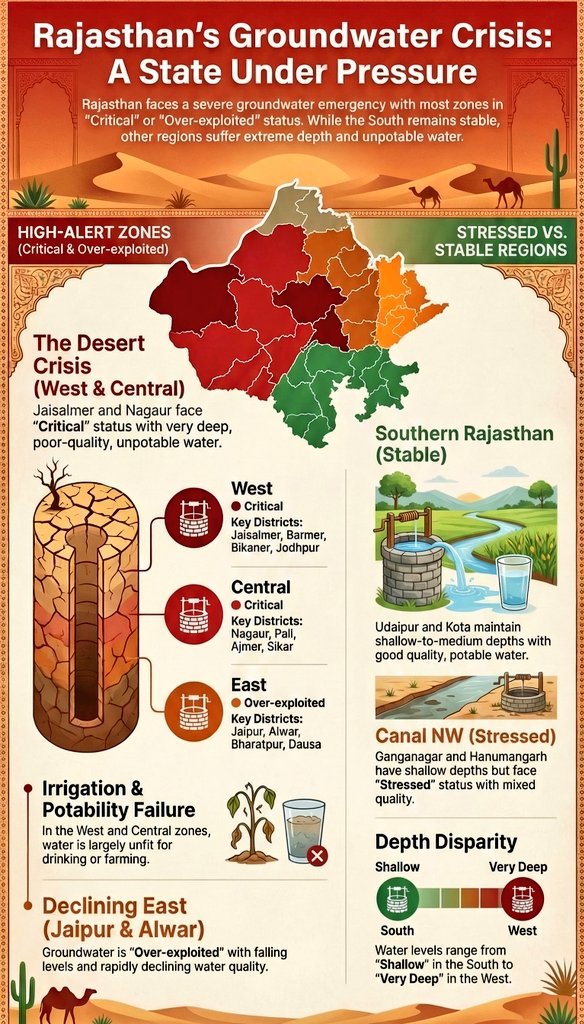
Rajasthan’s groundwater story is sharply divided zone-wise. In Western Rajasthan (Jaisalmer, Barmer, Bikaner,Jodhpur), water availability is extremely low, stored deep and often fossil innature; quality is poor due to salinity and fluoride, making it largely unfit for drinking or irrigation. In contrast, the canal-fed North-West(Ganganagar, Hanumangarh) has relatively better availability due to Indira Gandhi Canal recharge, but faces water logging and salinity from over-irrigation. Here, the issue is not scarcity but inefficient use.
Eastern Rajasthan (Jaipur, Alwar, Karauli, Bharatpur, Dausa) has moderate groundwater availability but is heavily over-exploited due to intensive agriculture and urban demand. Water quality is deteriorating with fluoride and nitrate contamination (making bones extremely brittle). South Rajasthan (Udaipur, Banswara, Dungarpur, Kota) remains relatively better with moderate recharge and good quality water,though aquifers are shallow and fragile. Meanwhile, Central Rajasthan (Nagaur, Pali, Ajmer, Sikar) faces severe depletion and poor quality due to fluorideand industrial pollution, making both drinking and irrigation increasingly difficult.
Across the state, nearly 70% of blocks are over-exploited,with agriculture consuming about 85% of groundwater. The core issues are excessive extraction driven by free power and borewell expansion, crop mismatch (water-intensive crops in arid zones), weak recharge systems, and rising contamination (fluoride, salinity, nitrate, even uranium in some pockets). Rajasthan is not just water-scarce - it is structurally mismanaging a limited resource.
The solution lies in a combined strategy:reduce demand by shifting to low-water crops and reforming power subsidies; massively scale recharge through traditional and modern structures; improve irrigation efficiency via drip and sprinkler systems; shift drinking water dependence toward surface sources like canals and dams; address quality through treatment and blending; and enforce governance reforms such as restricting bore-wells in dark zones and adopting aquifer-based planning. Without these steps, Rajasthan risks a full-scale water and agricultural crisis within the next decade.
Rising water crisis is emerging as a decisive political issue in Rajasthan, increasingly shaping voting behaviour beyond caste and party lines. In water-stressed regions, voters are prioritizing reliable drinking water and irrigation, rewarding leaders who deliver visible solutions and punishing those who fail.
As groundwater declines and shortages intensify, water security is directly influencing farmer sentiment, urban satisfaction and overall electoral outcomes, making it a key factor in government formation, hence would it not be a prudent decision to task the locals MLA’s / MP’s with groundwater recharge targets for their individual constituencies to be monitored with exemplary efficiency with a quarterly performance report for the world to see and judge efficiency on deliverables – Doable Yes, Achievable Yes, Actionable Yes – if only the gumption to do the right thing persists.
It seems Water Wars are here for good, and those who know how to cure politically parched throats may eventually end upquenching their thirst for votes and governance, after all even a 7th standard child knows 70% of all body is water.
My final take – Water is evolving into a“universal issue” in Rajasthan that can override identity politics, intensifyanti-incumbency, and reward governance-driven campaigns and at the end of itall determine how our progeny will live – parched or satiated !
(The writer is Vijay Singh Bainsla, President – Gurjar Aarakshan Sangharsh Samiti, BJP MLA Candidate, Corporate CXO, Driving ‘Socio-Political’ Change)
April in India is a season of contrasts. While the plains begin to warm up, the hills bloom with fresh greenery, rivers flow vibrantly, and coastal destinations offer breezy escapes. It’s the perfect time to explore the country’s diversity—whether you’re seeking cool climates, cultural richness, or scenic tranquility.
Here’s a carefully curated list of 15 destinations, each offering something unique and drawn from different parts of India:
1. Darjeeling – Tea Gardens & Himalayan Charm
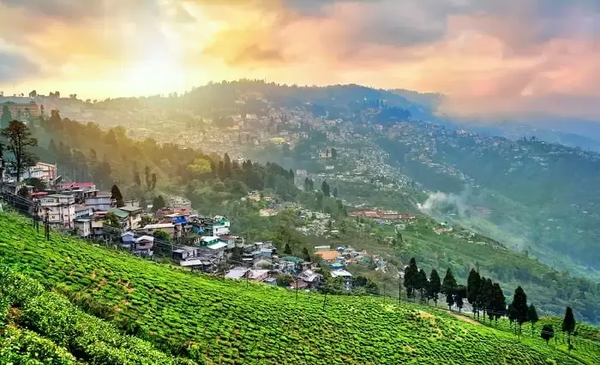
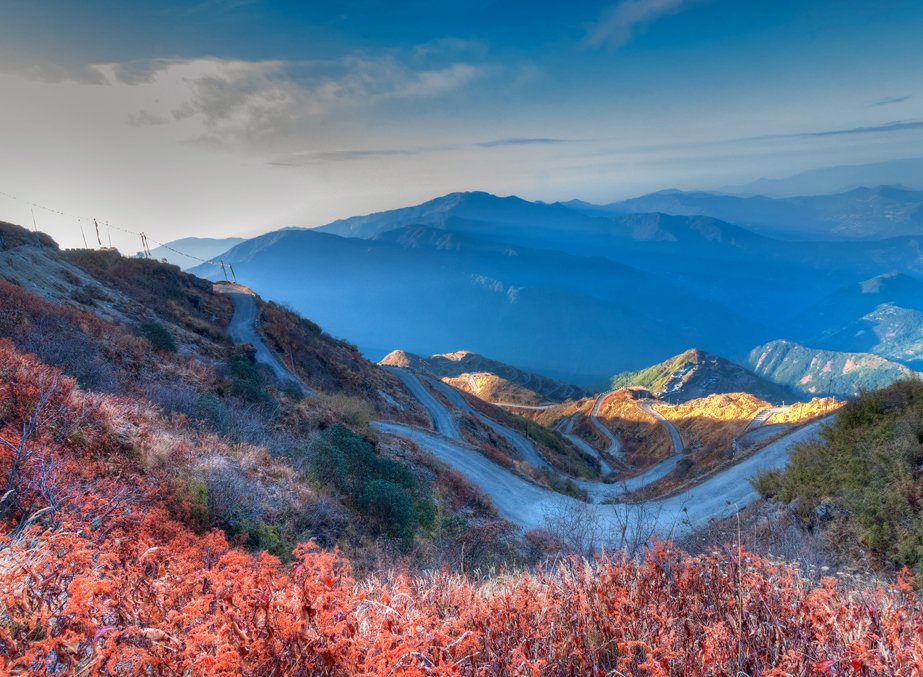
Perched in the Eastern Himalayas, Darjeeling in April is a visual delight. The weather remains cool and pleasant, making it ideal to explore sprawling tea estates, colonial-era architecture, and the iconic toy train. Early mornings reward visitors with breathtaking views of Kanchenjunga, while the town’s slow pace adds to its charm. 2. Gangtok – A Perfect Blend of Culture and Nature
Gangtok offers a harmonious mix of modern vibrancy and traditional Buddhist culture. In April, the skies are clear, revealing stunning mountain views. Monasteries like Rumtek, bustling MG Road, and nearby lakes make it a well-rounded destination for both relaxation and exploration. 3. Ziro Valley – Untouched Beauty of the Northeast
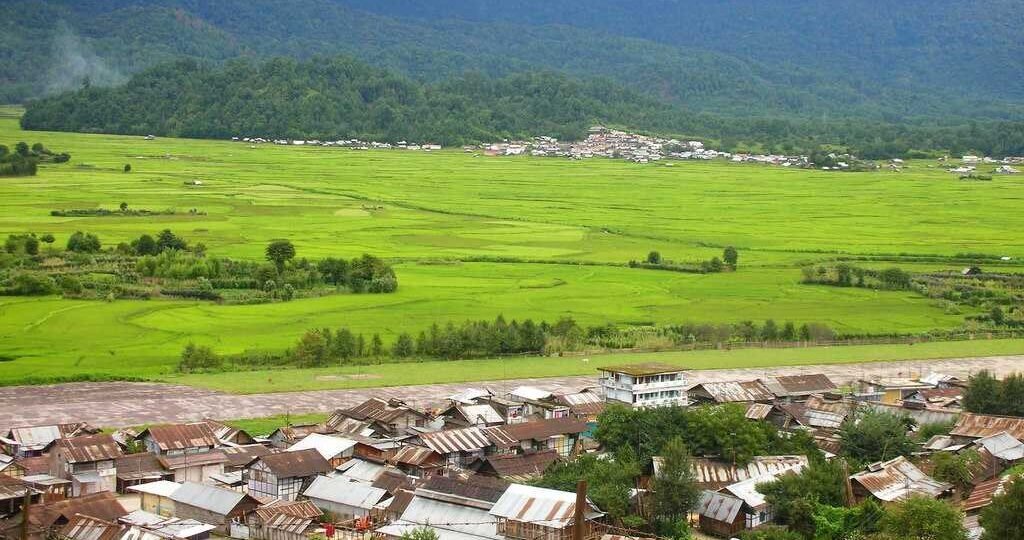
Ziro Valley is a hidden gem known for its lush rice fields, pine forests, and the unique culture of the Apatani tribe. April brings mild temperatures and vibrant greenery, making it perfect for those seeking solitude and an authentic cultural experience away from crowded tourist spots.
4. Shillong – The Scotland of the East
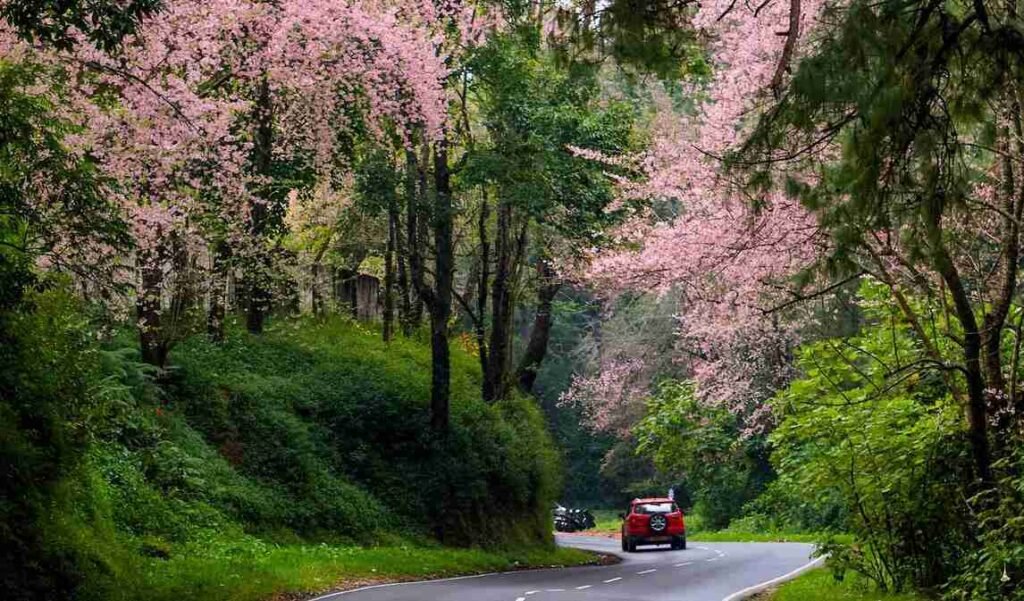
Shillong’s rolling hills, misty weather, and cascading waterfalls make it an enchanting April destination. With blooming landscapes and pleasant temperatures, visitors can explore Umiam Lake, Elephant Falls, and lively local markets while enjoying the region’s musical and cultural vibe.
5. Tawang – Monasteries Amid Snowy Peaks
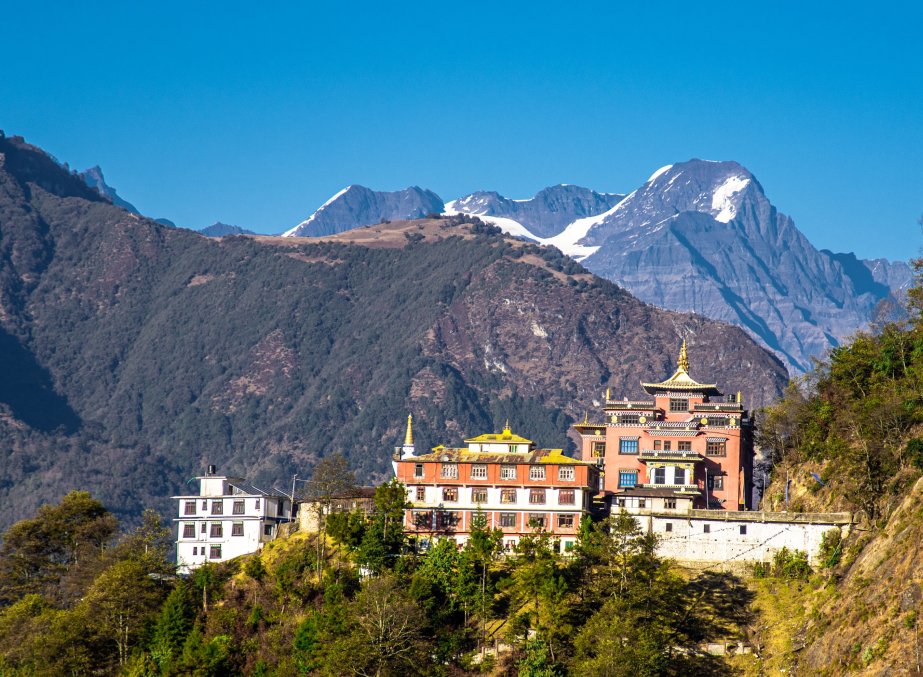
Tawang remains cool even in April, with traces of snow still visible in higher altitudes. The majestic Tawang Monastery, serene lakes, and dramatic mountain passes make it a spiritual as well as scenic retreat for travelers seeking peace and adventure.
6. Pachmarhi– Central India’s Green Escape
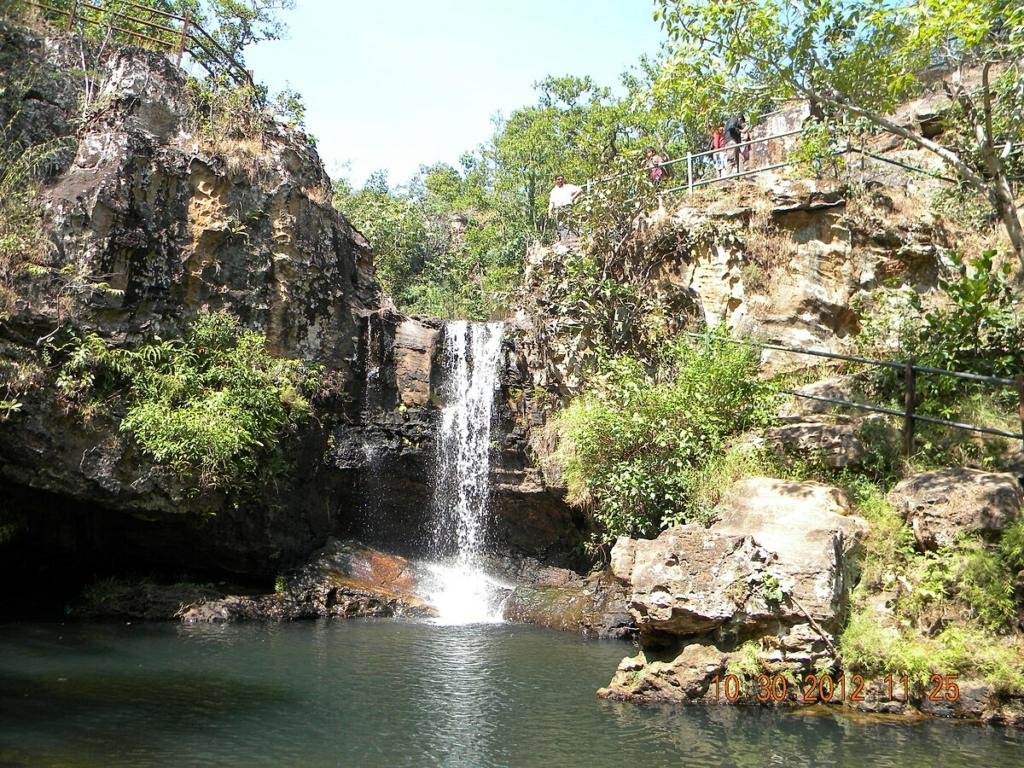
Known as the “Queen of Satpura,” Pachmarhi offers a refreshing break with its dense forests, waterfalls, and ancient caves. April’s moderate climate makes it ideal for nature walks, exploring viewpoints, and discovering its rich ecological diversity. 7. Mount Abu – A Cool Oasis in the Desert
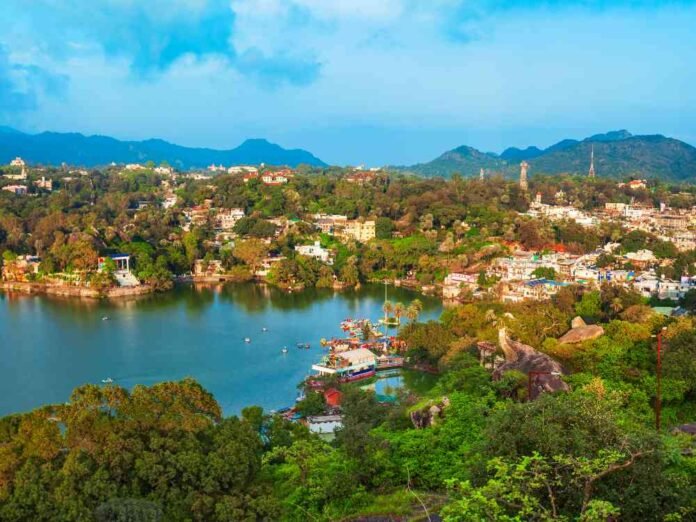
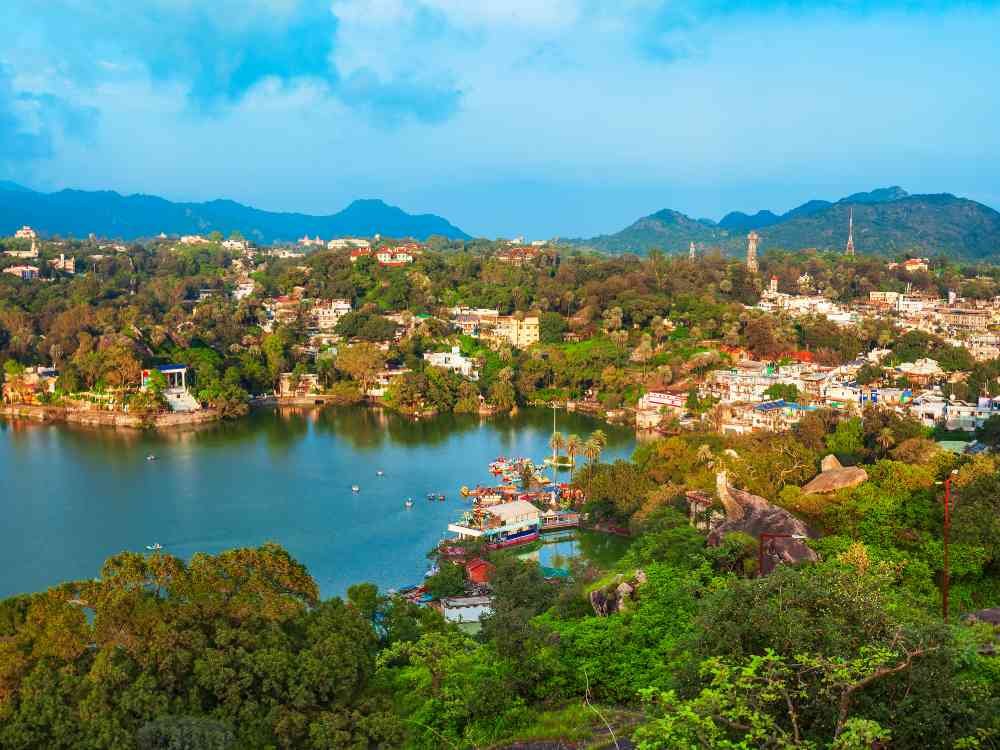
Rajasthan’s only hill station, Mount Abu provides a welcome respite from the rising desert heat. Nakki Lake, Dilwara Temples, and sunset points offer a mix of serenity and heritage, making it a popular yet peaceful retreat.
8. Udaipur – City of Lakes and Royal Grandeur
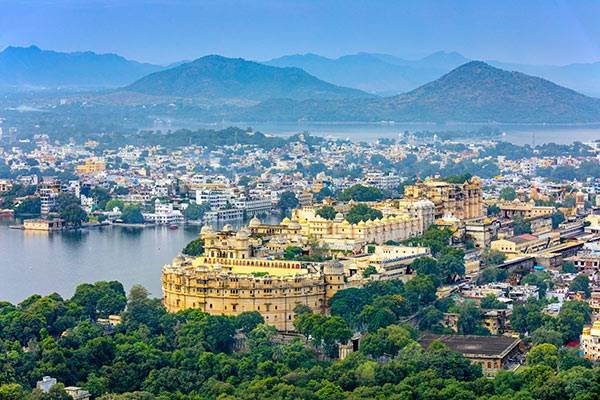
Udaipur in April is best experienced in the mornings and evenings when the weather is pleasant. The shimmering lakes, grand palaces, and cultural richness create a romantic and regal atmosphere, perfect for leisurely exploration.
9. Rishikesh – Where Adventure Meets Spirituality
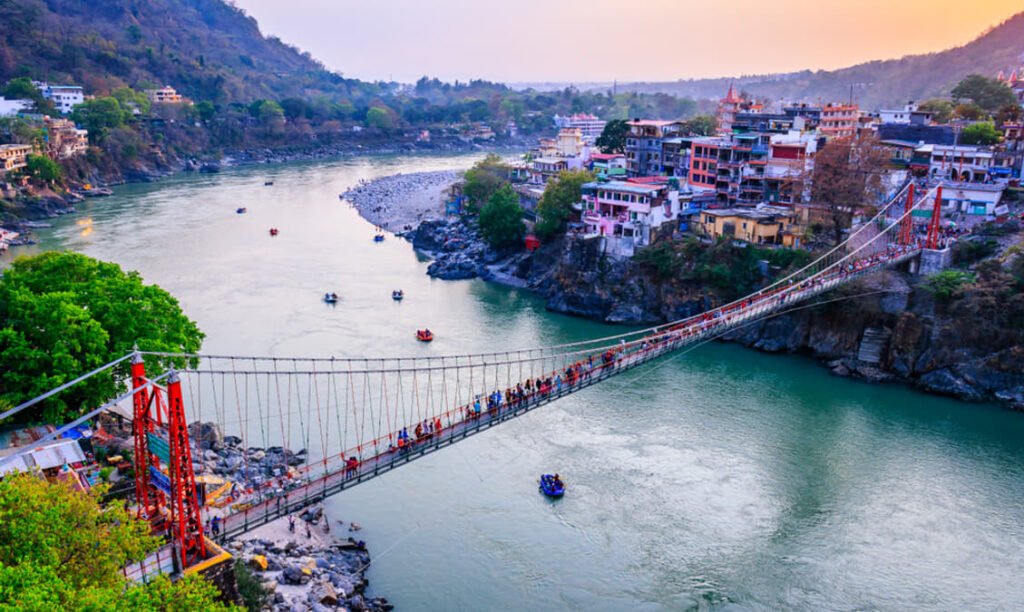
Set along the Ganges, Rishikesh offers a unique blend of yoga retreats and adventure sports. April is ideal for river rafting, camping, and attending the evening Ganga Aarti, making it a destination that rejuvenates both body and soul.
10. Munnar – Misty Hills and Endless Tea Gardens
Munnar’s rolling tea plantations and cool climate make it a quintessential April getaway. The hills are covered in lush greenery, and the tranquil atmosphere is perfect for relaxation, nature walks, and scenic drives.
11. Coorg – Coffee, Forests and Waterfalls
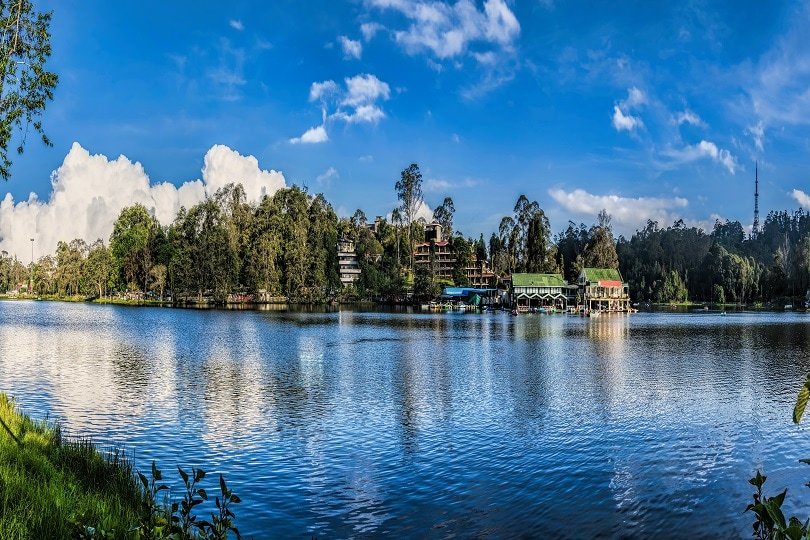
Also known as Kodagu, Coorg is a paradise for nature lovers. In April, the weather remains pleasant, and the region’s coffee plantations, misty hills, and waterfalls create a refreshing escape from city life. 12. Kodaikanal – The Princess of Hill Stations
Kodaikanal’s cool breeze, serene lakes, and mist-covered valleys make it a timeless destination. April is perfect for boating, trekking, and enjoying panoramic views from its many scenic points. 13. Andaman and Nicobar Islands – Tropical Bliss
With clear skies and calm seas, April is one of the best times to visit the Andaman Islands. White sandy beaches, coral reefs, and water activities like snorkeling and scuba diving make it an ideal coastal retreat.
14. Mahabaleshwar – Strawberry Fields and Scenic Views
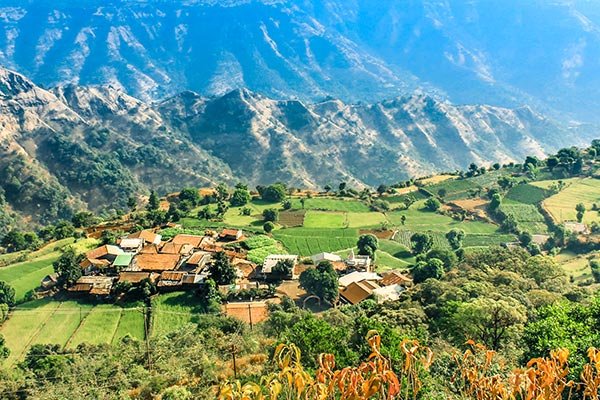
Famous for its strawberries and viewpoints, Mahabaleshwar offers cool weather and lush surroundings in April. It’s perfect for a relaxed holiday with scenic drives and nature trails. 15. Spiti Valley – Raw Himalayan Adventure
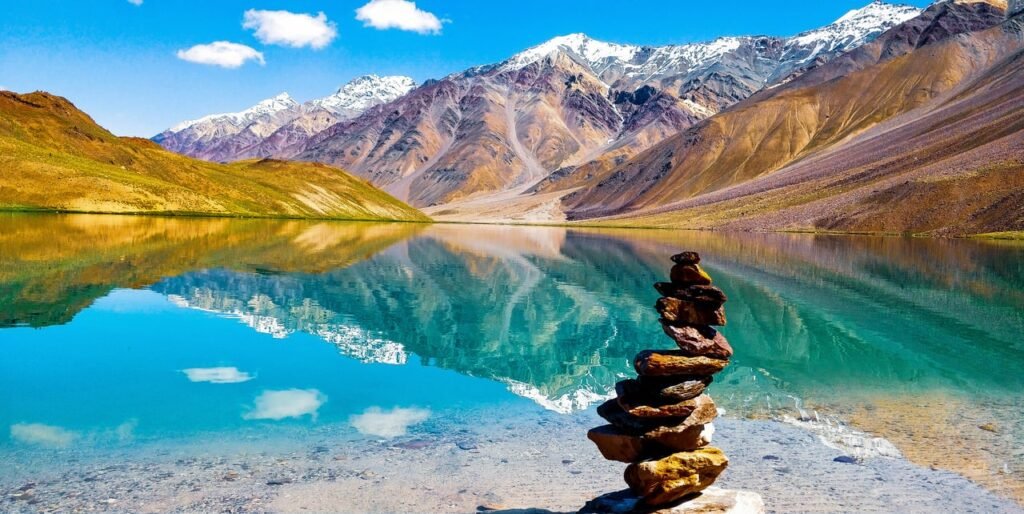
For those seeking something offbeat, Spiti Valley offers stark landscapes, ancient monasteries, and unmatched serenity. While still cold, April begins to open up access to this high-altitude desert, making it a unique travel experience.
Why April is a Great Time to Explore India April bridges spring and summer, offering pleasant weather in hills, vibrant landscapes in the northeast, and ideal conditions in coastal regions. It’s a time when destinations are less crowded than peak summer months, yet rich in natural beauty and cultural experiences.
Final Takeaway India in April is not just a destination—it’s a spectrum of experiences. Whether you’re sipping tea in the hills, meditating by the Ganges, or walking along a quiet beach, each journey offers something memorable. The diversity of landscapes and cultures ensures that every traveler finds their perfect escape.
In a development that could reshape both financial and technology landscapes, SpaceX has reportedly filed confidentially for an initial public offering (IPO). Founded by Elon Musk, the company has long remained privately held despite its dominance in space technology. Now, it may be preparing for one of the most significant market debuts in history.
Early reports suggest the company could be valued at over $1.75 trillion, with the potential to raise as much as $75 billion—figures that, if realized, would surpass the record set by Saudi Aramco in 2019. However, these numbers remain estimates, with final details expected only closer to the public offering.
Why This IPO Matters Now
By filing confidentially with the U.S. Securities and Exchange Commission , SpaceX gains the flexibility to refine disclosures and assess investor appetite before revealing key details such as pricing and share size. The timing reflects a crucial phase in the company’s growth, as it scales capital-intensive projects while expanding its commercial footprint.
A major pillar of SpaceX’s business is its Starlink satellite network, which has emerged as a key revenue driver, providing internet connectivity across remote and underserved regions. Alongside its leadership in reusable rocket technology, this positions SpaceX as more than a launch provider—it is increasingly seen as a global infrastructure player.
Beyond Space: A Broader Tech Vision
What makes this potential IPO particularly compelling is SpaceX’s evolving role at the intersection of multiple high-growth sectors. Reports of strategic alignment with xAI point toward a future where satellite networks, data, and artificial intelligence converge. While details remain limited, such a direction could significantly expand SpaceX’s technological and commercial scope.
A Turning Point for Markets and Innovation
If successful, SpaceX’s listing could trigger a broader wave of high-profile public offerings, with companies like OpenAI and Anthropic often cited by analysts as potential future candidates. More importantly, it may signal a shift in how global markets value deep-tech enterprises—where long-term innovation and infrastructure play as crucial a role as immediate profitability.
In essence, SpaceX’s IPO is not just a financial milestone—it represents a moment where space exploration, connectivity, and advanced technologies converge. If realized, it could mark the beginning of a new era in which the next frontier of economic growth extends far beyond Earth.
Long before modern classrooms and digital learning, ancient India developed one of the most profound and holistic education systems in the world—the Gurukul system. Rooted in the Vedic age, this system was not merely about acquiring knowledge but about shaping individuals into responsible, wise, and balanced human beings.
What Was the Gurukul System?
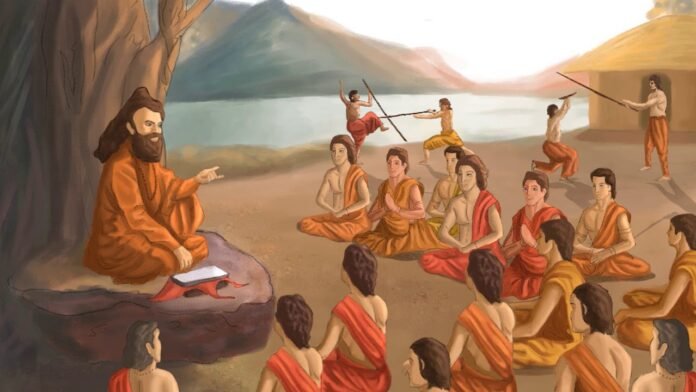
The Gurukul system was a residential form of education where students (shishyas) lived with their teacher (guru) in an ashram-like environment, often surrounded by nature. Education was not limited to fixed hours or textbooks; it was a continuous process integrated into daily life.
The guru-shishya relationship formed the core of this system. The guru was not just an instructor but a mentor, guide, and moral compass, responsible for the student’s intellectual, emotional, and spiritual growth.
A Truly Holistic Education
What made the Gurukul system exceptional was its holistic approach. It focused equally on: ●Intellectual learning (Vedas, philosophy, mathematics, astronomy) ●Physical training (martial arts, discipline, daily chores) ●Moral and ethical values (truth, humility, respect) ●Spiritual development (meditation, self-realisation)
Education was not about memorisation but experiential learning—students learned through observation, discussions, storytelling, and real-life practice.
Values and Life Skills Taught
The Gurukul system aimed to create not just scholars, but complete individuals. Students were taught: ●Self-discipline and simplicity through a structured daily routine ●Self-reliance by performing chores like cooking, cleaning, and gathering resources ●Respect and humility towards teachers and society ●Social responsibility and community living ●Critical thinking and debate, encouraging intellectual growth
This emphasis on life skills made education practical and deeply meaningful.
Why India Was Ahead of Its Time
The Gurukul system was far ahead of its time because it viewed education as a way of life, not just a means to a career. While many modern systems focus on exams and grades, Gurukul education aimed at character-building, inner development, and societal contribution.
It also promoted personalised learning, where each student was guided according to their abilities and interests—something modern education is only now striving to achieve.
Legacy and Relevance Today
Though the Gurukul system declined with the advent of colonial education models, its principles remain highly relevant. Concepts like mentorship, experiential learning, and value-based education are increasingly being recognised as essential even today.
Gautam Adani on Gurukuls: Bridging Ancient Wisdom and AI
This continuing relevance of the Gurukul system finds resonance even in contemporary discourse. During a recent visit to Ayodhya, Gautam Adani visited Shri Nishulk Gurukul Mahavidyalaya and reflected on the importance of such institutions in today’s world. Calling Gurukuls vital for preserving India’s cultural and knowledge traditions, he remarked,
“When education is rooted in values, it doesn’t just shape individuals, it shapes the future of the nation.”
He further emphasised that in an era rapidly moving towards artificial intelligence, it is essential to both preserve and strengthen India’s traditional knowledge systems, even as they evolve with modern tools.
Highlighting this balance between tradition and innovation, he also announced support for setting up an AI-based laboratory at the Gurukul—an effort aimed at bringing together ancient wisdom and contemporary technology.
A Timeless Inspiration
The ancient Gurukul system stands as a powerful reminder that true education goes beyond books—it shapes character, builds wisdom, and prepares individuals for life. In many ways, it reflects an ideal that modern education systems are still trying to rediscover.
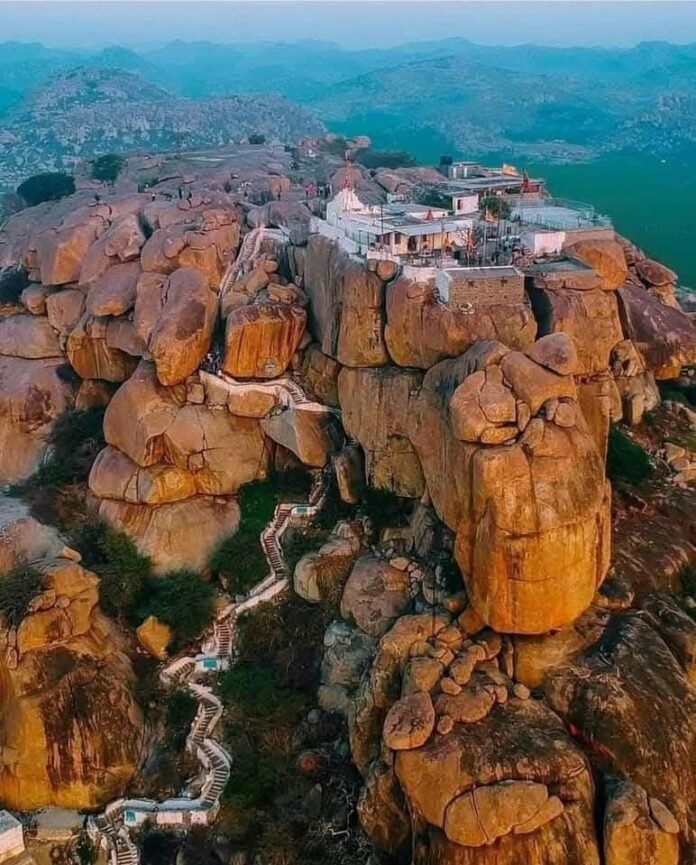
Rising above the dramatic, boulder-strewn landscape of Hampi, Anjanadri Hill is revered by millions as the birthplace of Lord Hanuman. Located near the village of Anegundi on the banks of the Tungabhadra River, this hill forms an integral part of a region where mythology and history exist side by side.
The climb to the top—around 550–600 steps—is both physically demanding and spiritually enriching. As devotees ascend, the surrounding vistas of rocky hills, lush fields, and ancient ruins unfold, making the journey as meaningful as the destination.
The Birthplace of Hanuman: Mythology and Belief
Anjanadri Hill derives its name from Anjana, the mother of Hanuman. According to long-standing Hindu traditions, Anjana performed intense penance here, seeking divine blessings. It was at this sacred spot that Hanuman, believed to be the son of the wind god Vayu, was born—earning him the name Anjaneya.
While there are multiple places across India associated with Hanuman’s birth, Anjanadri Hill in Hampi is among the most widely accepted and visited sites. This belief is rooted in regional traditions and the deep association of the area with the events of the Ramayana.
A Landscape Linked to the Ramayana
The region around Hampi is traditionally identified with the ancient kingdom of Kishkindha, described in the Ramayan. It is here, according to belief, that Lord Rama met Hanuman for the first time—a meeting that would shape the course of the epic.
The hills, caves, and riverbanks around Anjanadri are associated with episodes involving Sugriva, Bali, and the Vanara army. While these connections are based on mythology rather than archaeological proof, they form an essential part of India’s living cultural memory, drawing devotees and storytellers alike.
The Temple and the Spiritual Experience
At the summit of Anjanadri Hill stands a temple dedicated to Lord Hanuman, housing a sacred idol and smaller shrines devoted to Lord Rama and Goddess Sita. The atmosphere at the top is serene yet powerful, often filled with chants, prayers, and the recitation of devotional texts.
What makes the experience truly special is not just the temple, but the sense of elevation—both physical and spiritual. As one stands at the peak, overlooking the vast expanse of Hampi, there is a feeling of stepping into a space where time, faith, and nature converge.
History Meets Faith in Hampi
Beyond its mythological importance, Hampi itself holds immense historical value. Once the flourishing capital of the Vijayanagara Empire, it is today recognized as a UNESCO World Heritage Site for its remarkable architecture and ruins.
Anjanadri Hill exists within this layered landscape, where ancient temples, royal structures, and sacred sites coexist. While the belief in Hanuman’s birthplace is rooted in faith, the geographical and cultural richness of the region adds depth and context to that belief.
Enduring Significance for Devotees
Today, Anjanadri Hill is a major pilgrimage destination, especially during Hanuman Jayanti, when devotees gather in large numbers to offer prayers and undertake the climb as an act of devotion. The journey is often seen as symbolic—each step representing discipline, faith, and inner strength.
For many, visiting this sacred hill is not just about reaching a temple, but about connecting with the values that Lord Hanuman represents—strength, humility, courage, and unwavering devotion.
Conclusion
Anjanadri Hill is more than a place—it is an experience shaped by belief, history, and natural beauty. Whether viewed through the lens of mythology or explored as part of Hampi’s rich heritage, it continues to inspire awe and reverence.
Standing atop the hill, with the wind echoing through the rocks and the vast landscape stretching below, one is reminded of the enduring spirit of Lord Hanuman—a symbol of strength and timeless devotion.
The unique art form created by the Saura (Sora) tribe of Odisha is locally known as ‘Idital’ (Idital). These paintings are traditionally made on red mud walls using white colour prepared from lime and rice paste. Their geometric style bears a close resemblance to Maharashtra’s famous Warli paintings, yet they stand apart with their elongated, fluid, and less angular figures. A Living Tradition Thousands of Years Old Saura painting is regarded as one of the oldest and most vibrant indigenous art traditions in India. Anthropologists estimate that this art form may be 2,500 to 3,000 years old. Its style shows strong similarities with the prehistoric rock art of Odisha.
The Saura tribe has deep connections with Indian epics. In the Ramayana, Mata Shabari, the devoted woman who offered berries to Lord Rama, is believed belong to the Saura community. Similarly, in the Mahabharata, the hunter Jara Savara, whose arrow accidentally struck Lord Krishna, is also associated with the Saura tribe. Additionally, legends link the tribe to Lord Jagannath of Puri, as the original wooden idol (Nilamadhava) is said to have been secretly worshipped by a Saura chieftain named Viswavasu before it was installed in the temple.
More Than Art: A Sacred Ritual Saura paintings are not merely decorative; they serve as a sacred medium to appease deities and ancestral spirits. Traditionally, only the village priest or shaman, known as ‘Kudan’ or ‘Idital Mars’, was permitted to create these artworks. The artists often painted based on messages received in dreams or visions. These paintings are made during important life events such as childbirth, marriage, and harvest seasons. They act as a spiritual bridge to invite blessings, protection, and healing for the family.
GI Tag and Modern Evolution recognising its cultural significance, Lanjia Saura Painting was officially granted the Geographical Indication (GI) Tag in January 2024. Over time, this art has moved beyond mud walls and is now created on handmade paper, cloth, sarees, and canvas. Contemporary Saura artists have begun incorporating modern elements such as bicycles, buses, cars, and aeroplanes alongside traditional motifs, reflecting the tribe’s adaptability and their way of documenting a changing world. Saura Paintings Are Created Preparing the Surface: Traditionally painted on mud-plastered walls coated with a layer of red or yellow ochre clay (geru) to create an earthy base.Natural Pigments: The primary colour is white, made from sun-dried rice paste or white stone powder. Red and yellow come from mineral-rich earth or vermilion, while black is obtained from charcoal or lamp soot.
Brushes: Handmade brushes are crafted from tender bamboo shoots or twigs frayed at the ends. Unique “Fish-Net” Technique: Unlike many other folk arts, Saura artists first draw a decorative geometric border around the entire composition. They then fill the patterns from the outer edges towards the centre a method often described as the “fish-net” approach.
Human and animal figures are formed using simple geometric shapes, appearing more elongated and flowing compared to the sharp triangular figures of Warli art. Symbolic Meaning of Key Motifs every element in a Saura painting carries deep symbolic significance tree of Life: Represents growth, fertility, and the interconnectedness of sky (heaven), earth (humans), and underworld (ancestors). Elephants and Horses: Symbols of strength, stability, and prosperity. Sun and Moon: Seen as divine witnesses to rituals, representing the eternal cycle of time and cosmic order.
Triangles: Symbolise the three realms earth, sky, and underworld. Circles: Denote the continuity of life and the unity of the community. Modern elements like vehicles and technology are increasingly included, showcasing the tribe’s evolving relationship with the contemporary world. The Essence of Saura Art since the Saura language traditionally had no written script, Idital served as a visual language preserving the tribe’s history, philosophy, religious beliefs, and folk tales across generations. For the Saura people, these paintings are a sacred bridge between the human and spiritual worlds. They honour the deity Idital and ancestral spirits to ensure family well-being, prevent misfortune, and maintain harmony with nature.
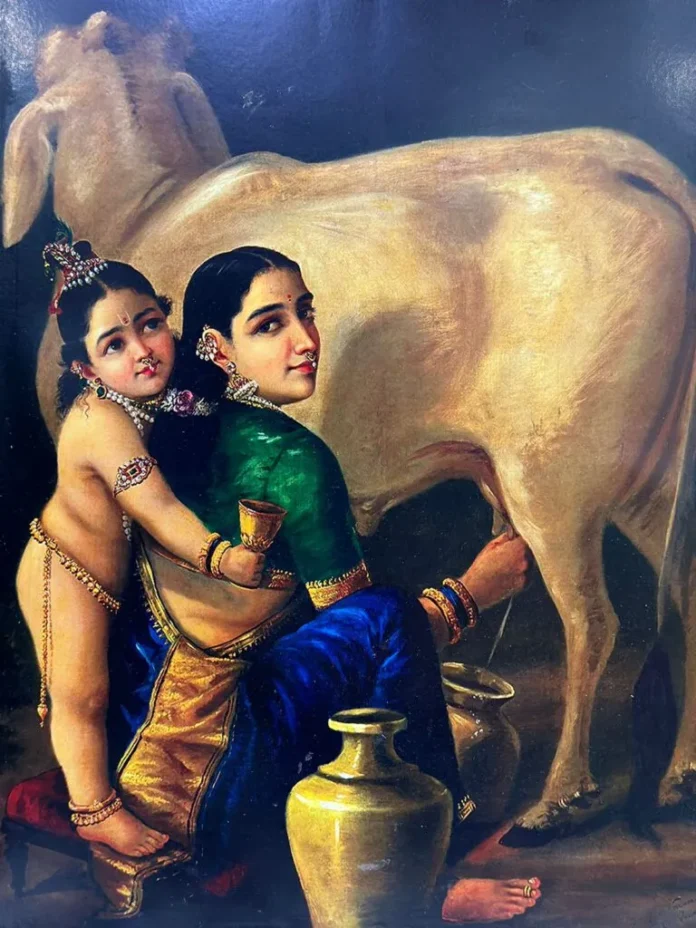
In a historic moment for the Indian art market, an iconic painting by Raja Ravi Varma —Yashoda and Krishna—has reportedly been sold for a staggering ₹167 crore, setting a new benchmark for modern Indian art. Acquired by industrialist Cyrus S. Poonawala , the sale underscores not just the monetary value of art, but its enduring cultural and civilizational significance.
The Painting: Where Mythology Meets Realism
Yashoda and Krishna is among the most celebrated works of Raja Ravi Varma, an artist often credited with bridging the gap between traditional Indian aesthetics and European academic realism.
The painting portrays a tender, intimate moment between Yashoda and Krishna —a mother and child bond that resonates deeply across Indian culture. Yashoda is depicted milking a cow while young Krishna clings to her, a composition that reflects both domestic simplicity and divine symbolism.
Varma’s mastery lies in humanizing divine figures—rendering gods not as distant celestial beings but as relatable, emotional presences within everyday life. This approach revolutionized Indian visual culture in the late 19th century.
Why This Sale Matters
This record-breaking transaction is significant on multiple levels:
1. A New Benchmark for Indian Art
The ₹167 crore valuation places Indian art firmly on the global high-value art map. While works by Western masters routinely fetch astronomical sums, Indian art has historically been undervalued in comparison. This sale challenges that perception.
2. Cultural Capital Over Market Speculation
Unlike purely speculative art purchases, this acquisition reflects the growing importance of cultural capital. Collectors are increasingly investing in works that embody heritage, identity, and narrative depth.
3. Renewed Interest in Ravi Varma
Though Raja Ravi Varma has long been revered, this sale could trigger a renewed academic and commercial interest in his oeuvre. It also reinforces his position as one of India’s most influential artists—often described as the father of modern Indian art.
The Legacy of Raja Ravi Varma
Ravi Varma’s contribution goes beyond canvas. Through his pioneering use of oleographic prints, he made art accessible to the masses, bringing mythological imagery into ordinary Indian homes.
His depictions of Hindu deities shaped popular imagination—many contemporary visualizations of gods are still influenced by his style. In essence, he democratized art long before mass media.
Art, Identity, and the Indian Market
The sale also signals a broader shift in India’s art ecosystem: ●Rising domestic collectors: Wealthy Indian buyers are increasingly reclaiming cultural artifacts. ●Institutional interest: Museums and private collections are investing in historically significant works. ●Global recognition: Indian art is gaining traction in international auction houses and exhibitions.
Moreover, such high-value transactions often have a ripple effect—boosting the valuation of other Indian artists and encouraging preservation efforts.
Beyond the Price Tag
While ₹167 crore is a headline-grabbing figure, the true value of Yashoda and Krishna lies in its emotional, cultural, and historical resonance. It captures: ●The universality of motherhood ●The blending of divine and human realms ●The artistic evolution of a nation in transition
In a rapidly modernizing world, such works serve as anchors to tradition, reminding us of the narratives that shape collective identity.
A Defining Moment for Indian Art
This landmark sale is more than a record—it is a statement. It signals that Indian art, rooted in mythology yet universal in appeal, is finally receiving the global recognition it deserves.
As collectors, historians, and audiences revisit the legacy of Raja Ravi Varma, one thing becomes clear: India’s artistic heritage is not just surviving—it is thriving, commanding attention, and redefining its place on the world stage.
Kinshasa, April 2, 2026 In a moment of rare national unity, the Democratic Republic of Congo came to a joyful standstill on Wednesday, April 1, 2026, as the government declared a nationwide paid public holiday to celebrate the senior men’s football team’s historic qualification for the 2026 FIFA World Cup. The Leopards ended a painful 52-year absence from football’s biggest stage with a dramatic 1-0 victory over Jamaica in the intercontinental play-off final on Tuesday night in Mexico. This marks only the second World Cup appearance in the nation’s history – the first coming in 1974 when the country was known as Zaire.
Dramatic Qualification in Mexico the decisive match, played at Akron Stadium (also referred to as Guadalajara Stadium) in Mexico, remained goalless through 90 tense minutes. DR Congo striker Cedric Bakambu twice had goals correctly disallowed for offside, keeping the score level. The breakthrough finally arrived in the 100th minute of extra time. A corner from teammate Brian Cipenga (also referred to as Bryan Sipehng in some reports) deflected off Jamaica defender Joel Latibeaudiere and fell to Axel Tuanzebe. The Burnley defender, using his torso and quick reactions, forced the ball into the net for the only goal of the game.
Officials briefly checked for a possible handball via VAR, but the goal stood. Tuanzebe, a former Manchester United and England youth international born in the conflict-hit city of Bunia in eastern DR Congo, etched his name permanently into Congolese sporting history with his first senior goal for the national team. Jamaica, hoping to reach their second World Cup after appearing in France 1998, created few clear chances and could not find an equaliser.
A Long-Awaited Return DR Congo’s previous and only World Cup appearance came in 1974 as Zaire – the first Sub-Saharan African team to qualify for the tournament. That campaign ended in disappointment, with heavy defeats including a 9-0 loss to Yugoslavia. The 2026 qualification, therefore, carries deep emotional weight for a football-loving nation that has endured decades of conflict, political instability, and hardship. Tuanzebe later described the match as the biggest of his career. His goal has now given millions of Congolese people a reason to celebrate amidst ongoing challenges, particularly in the conflict-affected eastern.
As the Indian summer intensifies, staying hydrated becomes more than just a necessity—it becomes a survival strategy. While modern packaged beverages may offer convenience, nothing beats the goodness of traditional Indian summer drinks. Rooted in Ayurveda and regional wisdom, these beverages are not only refreshing but also packed with nutrients that help cool the body, aid digestion, and restore lost electrolytes.
Here are 10 of the best Indian summer drinks that combine taste with health benefits:
1. Nimbu Pani (Lemon Water)
A timeless classic, nimbu pani is one of the simplest yet most effective summer coolers. Rich in vitamin C, it helps boost immunity while replenishing salts lost through sweat. A pinch of black salt and mint enhances both its taste and digestive benefits.
2. Aam Panna
Made from raw mangoes, aam panna is a tangy delight known for its heat-resistant properties. It helps prevent heatstroke, improves digestion, and restores electrolytes in the body. Its high vitamin content also supports immunity during extreme heat. 3. Chaas (Buttermilk)
Light, refreshing, and probiotic-rich, chaas is a staple in many Indian households. It promotes gut health, aids digestion, and cools the body from within. Spices like roasted cumin further enhance its digestive properties.
4. Lassi
A thicker, creamier cousin of chaas, lassi is both nourishing and refreshing. Packed with calcium and probiotics, it strengthens bones, improves digestion, and boosts immunity. It can be enjoyed sweet, salted, or flavored with fruits like mango. 5. Coconut Water
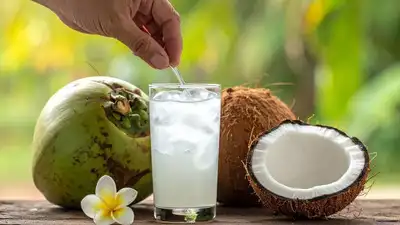
Often called nature’s electrolyte drink, coconut water is loaded with potassium and essential minerals. It hydrates instantly and keeps energy levels high without added sugar. 6. Jaljeera
This tangy, spicy drink made from cumin, mint, and tamarind is a digestive powerhouse. Jaljeera helps reduce bloating, improves appetite, and cools the body after meals.
7. Sattu Sharbat
A protein-rich drink made from roasted gram flour, sattu sharbat is both filling and cooling. It provides sustained energy, aids digestion, and helps maintain hydration levels during long, hot days.
8. Sugarcane Juice (Ganne ka Ras)
Fresh sugarcane juice is a natural energy booster rich in minerals like calcium, magnesium, and iron. It detoxifies the body, supports liver function, and provides instant hydration.
9. Kokum Sherbet
Popular in coastal India, kokum sherbet is known for its cooling and digestive properties. It helps reduce body heat, prevents dehydration, and soothes acidity. 10. Bael (Bel) Sherbet
Made from wood apple, bel sherbet is a traditional remedy for heat-related issues. It improves gut health, prevents constipation, and keeps the body cool even in extreme temperatures.
Why These Drinks Matter
Unlike sugary sodas or artificial beverages, these traditional drinks:
●Replenish electrolytes naturally ●Support digestion and gut health ●Help prevent heatstroke and dehydration ●Provide essential vitamins and minerals
Many of them are deeply rooted in Indian culture and have been used for generations as natural remedies against harsh summers.
Indian summer drinks are more than just refreshments—they are a blend of tradition, nutrition, and climate wisdom. Incorporating these into your daily routine can help you stay cool, energized, and healthy throughout the season. So this summer, skip the fizzy drinks and turn to these desi coolers—your body will thank you.