Home Blog Page 153

Allu Arjun to Shah Rukh Khan: 6 Famous Celebrities Who Own Private Jets

0

Private jets aren’t just for billionaires — many of India’s top celebrities fly private for comfort, speed, and luxury. From international shoots to family getaways, these stars truly know how to soar in style.

Celebrities with Private Jets

Private jets are no longer reserved for global billionaires — for many of Bollywood’s biggest stars, flying private is a lifestyle necessity. Whether it’s shuttling between film sets, attending international events, or enjoying family vacations, these celebrities know how to travel in unmatched style.
Let’s take a look at some of the Indian film industry’s most elite stars who own private jets and live the high-flying life.


Shah Rukh Khan

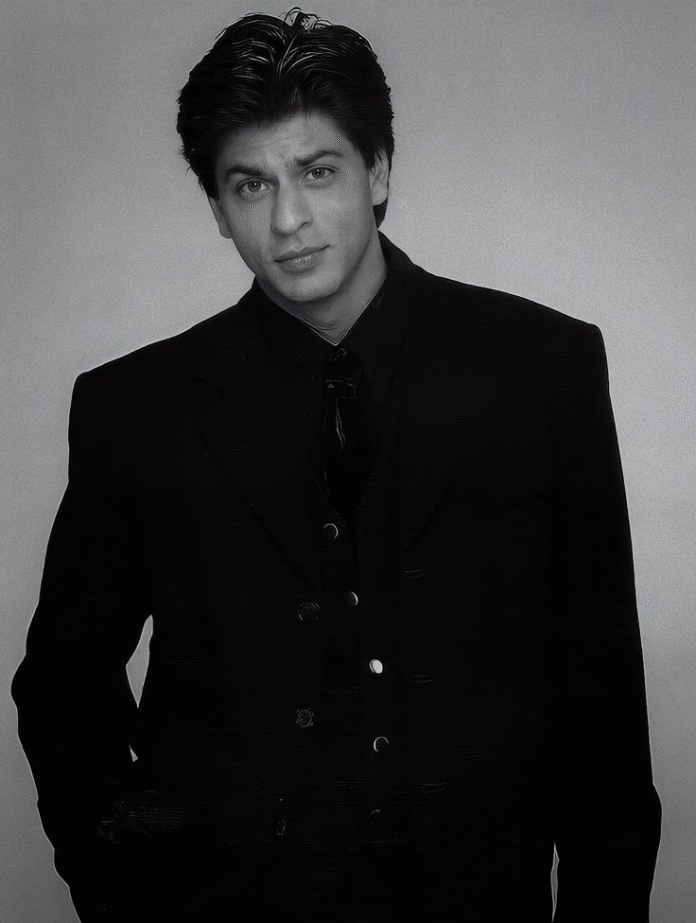
Known as the King of Bollywood, Shah Rukh Khan travels like royalty too. He reportedly owns a Gulfstream G550, a top-tier luxury jet worth around $61.5 million (₹500 crore). Seating up to 12 passengers, the jet caters to both his professional commitments and personal escapes. With SRK’s packed global schedule and international brand presence, owning a private jet is practically essential.


Priyanka Chopra Jonas

Global icon Priyanka Chopra Jonas, who seamlessly balances projects across Hollywood and Bollywood, reportedly owns a Hawker 800, a sleek six-seater aircraft. With homes in both the U.S. and India — and a calendar filled with films, fashion events, and endorsements — her jet allows her to stay effortlessly connected. She’s often seen flying private with husband Nick Jonas.


3. Amitabh Bachchan

Bollywood’s legendary megastar Amitabh Bachchan, fondly called Big B, is believed to own a Bombardier Challenger 300, a mid-sized business jet valued at around ₹260 crore. With a career spanning over five decades, his private jet provides the perfect blend of convenience and comfort befitting one of India’s most enduring icons.


4. Allu Arjun

South superstar Allu Arjun also takes to the skies in style. He reportedly purchased a luxurious six-seater jet after his wedding. Known for his impeccable fashion sense and grand screen persona, Allu Arjun’s choice of private air travel mirrors his larger-than-life lifestyle — perfectly in line with his Pushpa stardom.


5. Ram Charan

Another Tollywood heavyweight, Ram Charan, owns a private jet frequently used for both business and leisure. Interestingly, he co-founded Turbo Megha Airways Pvt. Ltd. in 2013, later rebranded as TruJet — a regional airline. While TruJet operates commercially, Ram Charan’s personal jet serves his exclusive travel needs across India and abroad.


6. Diljit Dosanjh

From Punjab to the global stage, singer-actor Diljit Dosanjh has carved an international name in both music and cinema. Known for his energetic performances and suave persona, he often shares glimpses of his private jet journeys on social media. While details about the make of his jet remain undisclosed, one thing is clear — Diljit loves to fly in luxury as he tours the world.

Veo 3.1 Is Latest Evolution of Google’s Generative Video Model for AI-Directed Cinema…

0

Not so long ago, the idea of making a cinematic film from just a line of text sounded like a science fiction plot. But as autumn 2025 rolls in, Google has quietly rewritten that script — not just with a better AI, but with a vision of how humans and machines can co-create stories.

At the heart of this revolution is Veo 3.1, the latest evolution of Google’s generative video model. Its launch wasn’t flashy, but its impact is already echoing through the studios of indie creators, animation houses, and forward-thinking filmmakers. Because Veo 3.1 isn’t just another AI — it’s a filmmaker in code.

Act I: The Sound of a New Beginning

When the earlier versions of Veo hit the scene, they impressed with visuals — surreal dreamscapes, believable characters, and motion that flowed like water. But something was always missing: sound.

With Veo 3.1, that silence is finally broken.

For the first time, this model doesn’t just generate what you see — it generates what you hear. Ambient noise, synchronized dialogue, background music, the soft crunch of gravel beneath footsteps — all appear in perfect harmony with the visuals.

A quiet city street hums with life. A suspenseful scene builds with rising tension in the score. And the best part? It all comes directly from your prompt. No separate audio design required.

It’s the first time AI has begun to understand not just how to show a story, but how to tell one.

Act II: The Ingredients of Imagination

In a small studio apartment in Toronto, a young animator feeds three reference images into a tool called Flow — a stylish character sketch, a futuristic corridor, and a glowing artifact.

She clicks “Generate.”

Veo 3.1 responds instantly. The generated video doesn’t just guess; it remembers. Her character stays consistent across shots. The corridor’s lighting matches the reference. The artifact pulses with the same eerie glow she designed.

This feature — called “Ingredients to Video” — changes everything. No more relying solely on words to guide generation. Now, creators can use images as anchors — visual ingredients for the AI to cook with.

For storytellers trying to maintain continuity in scenes, characters, or branded visuals, this is the bridge they’ve been waiting for.

Act III: The Space Between Frames

A filmmaker sits with two images on his screen: the sun rising over a desolate desert, and a lone traveler disappearing into a storm.

“Connect these,” he types.

Veo 3.1 steps in, generating everything in between — the footsteps, the changing light, the wind picking up. It’s not just animation; it’s cinematic transition, guided by the user’s chosen start and end frames.

This new ability — to guide a scene by framing its beginning and end — opens the door to visual poetry. Metaphors, time lapses, emotional arcs… all told through the motion between stillness.

Act IV: Longer Stories, Fewer Cuts

One of the biggest challenges for AI video has always been length. Clips felt like fragments — beautiful, but short-lived.

Veo 3.1 changes the pace.

With Scene Extension, creators can take a short clip and grow it, frame by frame, second by second. The model looks at the last moment, understands the mood, and carries it forward naturally — as if it’s breathing life into the next scene.

For the first time, long-form storytelling with AI doesn’t feel stitched together. It flows.

Act V: Editing in Motion

Google’s Flow, the tool built around Veo and powered by Gemini, receives a quiet but powerful upgrade. Now, inside this interface, creators can add or remove objects from a scene — with lighting, motion, and perspective still intact.

A drone vanishes from the skyline. A cup appears on a table. A lamp is replaced with a flickering candle.

These aren’t static edits. They move, evolve, and blend with the footage. And while the Insert and Remove tools are still rolling out, it’s clear: this is Photoshop for video, powered by AI.

The creative control once reserved for large post-production teams is now in the hands of anyone with an idea — and an internet connection.

Epilogue: Where Machine Meets Muse

Veo 3.1 isn’t flashy on the surface. It doesn’t shout. It just works — with a quiet brilliance that lets creators dream bigger and prototype faster.

For studios like Promise and Latitude, it’s already reshaping the way storyboards are built and narratives are animated. But the real promise lies ahead — in the hands of everyday storytellers who suddenly have a full cinematic toolkit waiting behind a prompt.

This isn’t just an AI that generates videos, This is a collaborator, A co-director, a quiet revolution in storytelling.And it’s just beginning.

Google DeepMind released Veo 3.1 on October 15, 2025, enables up to 60-second videos with integrated lifelike audio, dialogue, and effects, plus image references for consistent characters and scenes.

The model offers clip extensions and frame controls for improved physics, textures, and motion, accessible via Gemini API and Flow. Partners like Higgsfield AI and HeyGen are integrating it for advanced video production, with users noting strong narrative precision amid comparisons to competitors like Sora 2.

Uruguay Becomes First Latin American Country to Legalize Euthanasia

0

In a landmark decision, Uruguay has become the first Latin American country to legalize euthanasia through legislation, marking a significant shift in the region’s approach to end-of-life rights.

On October 15, 2025, the Uruguayan Senate passed the euthanasia bill with 20 votes in favor out of 31, following earlier approval by the lower house. The new law permits medically assisted euthanasia under strict conditions for patients suffering from incurable and unbearable illnesses. This legislative move positions Uruguay at the forefront of progressive policy-making in the region, following in the judicial footsteps of Colombia and Ecuador, where courts have decriminalized euthanasia. In Chile, a similar bill remains under parliamentary debate.

Key Provisions of the Euthanasia Law

  • Eligibility: Patients must suffer from an incurable illness that causes unbearable physical or psychological suffering, even if it is not terminal.
  • Mental Competence: Patients must be deemed mentally competent by two independent doctors.
  • Performed by Professionals: Euthanasia must be administered by licensed healthcare professionals; assisted suicide, where the patient self-administers medication, remains illegal.
  • Minors Excluded: Euthanasia is prohibited for individuals under 18.
  • No Waiting Period: Unlike other countries, Uruguay’s law does not require a mandatory waiting period or a specific life expectancy threshold.

A Milestone in Uruguay’s Progressive Reforms

This decision continues Uruguay’s trajectory of progressive legislation, following earlier milestones such as the legalization of recreational marijuana, same-sex marriage, and abortion. The euthanasia debate in Uruguay spanned over five years, involving significant public consultation and political negotiation.

Opposition largely came from the Catholic Church, which emphasized the sanctity of life and the need for palliative care. However, increasing secularization and strong public support for personal autonomy played a crucial role in pushing the bill forward.

Regional and Global Context

Uruguay joins Colombia and Ecuador as the only Latin American countries where euthanasia is legal. However, unlike its neighbors, Uruguay legalized euthanasia through parliamentary legislation, not judicial rulings—setting a legal precedent in the region.

Globally, the law differs from frameworks in:

  • Belgium and the Netherlands: Where euthanasia is allowed for minors under specific conditions.
  • Australia and New Zealand: Where stricter conditions apply, including time-limited terminal illness diagnoses.

Ethical and Legal Implications

Uruguay’s law attempts to strike a balance between respect for patient autonomy and robust safeguards to prevent abuse. Mandatory psychological evaluations and medical oversight are built into the process to ensure fully informed consent.

While the absence of a waiting period and terminal illness requirement broadens access, it also opens new ethical debates around the definition and assessment of “unbearable suffering”—a concept often viewed subjectively.

Looking Ahead

With this legislative breakthrough, Uruguay sets a regional legal precedent in a continent deeply rooted in Catholic tradition. As other Latin American nations watch closely, Uruguay’s model may influence future debates on end-of-life rights across the region.

International Day for the Eradication of Poverty 2025: Know Significance, Theme For Dignity, Justice, and Equality

0

Observed every year on October 17, the International Day for the Eradication of Poverty highlights the urgent need to eliminate poverty and improve the lives of those affected by it. Poverty is not just the absence of money — it also means a lack of access to education, healthcare, safe housing, and equal opportunities. This day reminds the global community to come together to create a fairer, more inclusive world.

What Is the International Day for the Eradication of Poverty?

The day is dedicated to understanding the struggles of people living in poverty and encouraging dialogue between them and society at large. It recognizes the resilience and efforts of those facing hardship and calls upon governments, communities, and organizations to support and empower them.

At its core, the day raises awareness that poverty is not only an economic issue but also one that affects human dignity, justice, and equality.

History and Significance

The first observance of what was then called the “World Day to Overcome Poverty” took place in Paris, France, in 1987, when thousands gathered to honor the victims of poverty, hunger, and violence.
In 1992, the United Nations officially declared October 17 as the International Day for the Eradication of Poverty. Since then, it has been marked worldwide through campaigns, events, and policy discussions aimed at addressing the root causes of poverty.

Date and Observance

TopicDetails
DateOctober 17 every year
PurposeTo raise awareness, encourage solutions, and support vulnerable families
UN RecognitionOfficially observed by the United Nations as a global call to action
In Hindi“Garibi Udayan Ke Ant Ka Antarraashtreey Diwas”
Relevance for Students (UPSC)An important topic under social and international development awareness
CelebrationsAwareness drives, discussions, and community events to inspire collective responsibility

Theme for 2025: Ending Discrimination, Empowering Families

The 2025 theme focuses on ending social and institutional discrimination and ensuring respect and effective support for families living in poverty.

It highlights how many families in poverty face stigma and systemic barriers that punish rather than help. This year’s observance emphasizes the need to listen to those with lived experiences, build trust, and design support systems that allow all families to thrive with dignity.


India’s Progress and Challenges

TopicDetails
ProgressIndia has significantly reduced extreme poverty over the past decade, with millions moving above the poverty line. Employment opportunities—especially for women—have increased, and urban unemployment has declined.
Remaining ChallengesYouth unemployment and gender inequality persist. Many jobs remain informal, and economic growth alone has not erased poverty.
Need for ActionFamilies still need better access to education, healthcare, housing, and social security. The day serves as a reminder to address these gaps through inclusive growth.

Major Poverty Alleviation Programs in India

  • Integrated Rural Development Program (IRDP): Offers credit and support for rural employment.
  • Mahatma Gandhi National Rural Employment Guarantee Act (MGNREGA): Guarantees rural households paid employment.
  • National Rural Livelihoods Mission (Aajeevika – DAY-NRLM): Boosts rural incomes and financial access.
  • National Urban Livelihood Mission (NULM): Provides skill training and employment support to the urban poor.
  • Pradhan Mantri Ujjwala Yojana (PMUY): Provides LPG connections to women from below-poverty-line families.

Global Actions and the UN’s Role

TopicDetails
UN’s RoleCoordinates global anti-poverty efforts and supports sustainable development programs.
Third Decade for Poverty Eradication (2018–2027)Declared by the UN to intensify worldwide action against poverty.
SDG Goal 1Aims to “end poverty in all its forms everywhere.”
Global CooperationEncourages partnerships, inclusive policies, and social protection measures across nations.

Why the Day Matters

TopicDetails
PurposeTo educate, raise awareness, and inspire collective action against poverty.
Why It MattersIt reminds the world that poverty undermines dignity, justice, and equality.
ParticipationCommunities engage in discussions, events, and campaigns to support vulnerable families.
Core MessageShared responsibility, social justice, and empowerment are key to ending poverty.

A Global Call for Compassion and Collective Action

The International Day for the Eradication of Poverty 2025 calls for unity in the fight against poverty and discrimination. While India and many nations have made commendable progress, much remains to be done.

By listening to and supporting those who live in poverty, societies can move toward a world where everyone has access to opportunity, dignity, and hope.
This day serves as a reminder that ending poverty is not just a goal — it is a shared moral responsibility.

A Huge Leap for Indian Sports: Ahmedabad Recommended to Host 2030 Commonwealth Games

0

India’s sporting ambitions have reached a new high, as Ahmedabad has been officially recommended by the Executive Board of Commonwealth Sport as the proposed host city for the 2030 Centenary Commonwealth Games. If approved in November 2025, Ahmedabad will become the second Indian city to host the Games, after New Delhi in 2010.

Union Minister for Youth Affairs & Sports, Dr. Mansukh Mandaviya, hailed it as “a huge moment for Indian sports”, calling it a proud milestone that reflects the country’s growing dominance in global sport. He credited Prime Minister Narendra Modi’s visionary leadership for placing India firmly on the world’s sporting map.

Dr. Mandaviya added that this development will give a significant boost to India’s bid to host the 2036 Olympic Games, highlighting how the country has rapidly built world-class sports infrastructure and hosted major international events, such as the World Para Athletics Championship earlier this year.

Minister of State for Youth Affairs & Sports, Smt. Raksha Nikhil Khadse, also shared her excitement, saying, “Bharat takes another giant leap in the global sporting arena! This recognition reflects India’s world-class infrastructure, hospitality, and thriving sports ecosystem.”

The 2030 Games will mark 100 years of the Commonwealth Sport Movement, symbolising a century of collaboration, excellence, and shared values among 74 nations and territories.

Dr. P. T. Usha, President of the Commonwealth Games Association of India, described the event as “Games for the Future”, focusing on sustainability, inclusivity, and innovation.

The joint proposal from the Government of India, Government of Gujarat, and Commonwealth Games Association of India was praised for aligning with the Commonwealth Sport’s “Games Reset” principles: affordability, inclusivity, sustainability, and legacy.

If all goes as planned, the 2030 Games in Ahmedabad will not only celebrate a century of sport but also reinforce India’s position as a global sporting powerhouse.

The Executive Board of Commonwealth Sport announced on October 15, 2025, its recommendation of Ahmedabad, Gujarat, as the host city for the 2030 Centenary Commonwealth Games, following evaluation of bids from India and Nigeria. The final decision will occur at the General Assembly in Glasgow on November 26, 2025. Indian officials, including Union Home Minister Amit Shah and Gujarat Chief Minister Bhupendra Patel, celebrated the endorsement, citing the city’s infrastructure like Narendra Modi Stadium and projected economic benefits from tourism and development.

India Rings Loud as Smartphone Exports Hit Record $13.5 Billion in Just Six Months

0

By Rishika Sogani

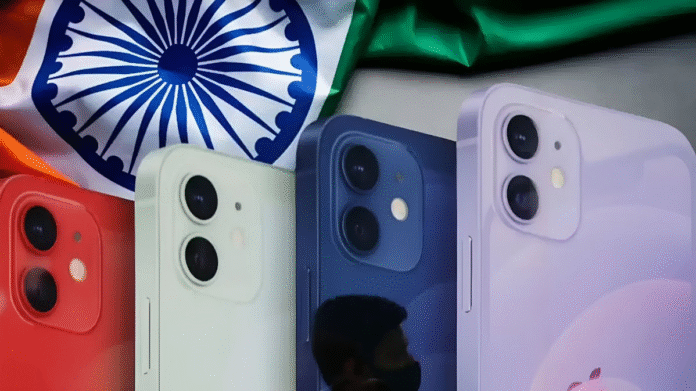
India’s smartphone export story just got louder and prouder. Between April and September 2025 (the first half of FY26), smartphone exports have surged to an impressive $13.5 billion, marking a 60% jump from $8.5 billion during the same period last year.

Thanks to the government’s Production-Linked Incentive (PLI) scheme, India is fast becoming a global smartphone hub. What’s remarkable is that even during the typically “lean months” of August and September, when production slows down due to new model launches and machine upgrades, exports continued to shine.

In September alone, India shipped $1.8 billion worth of smartphones, a record 95% increase from last year.

The United States has emerged as the biggest destination, accounting for almost 70% of total exports in the first half of this fiscal, up from just 37% last year. Smartphone exports to the US soared to $9.4 billion, from $3.5 billion a year ago.

Leading the charge is none other than Apple, whose India-assembled iPhones touched $10 billion in exports, making up more than 75% of India’s total smartphone shipments. Apple’s partners – Foxconn (Hon Hai) and Tata Electronics have played a key role in this success, with two new iPhone assembly plants going operational recently.

Experts say this sustained rise shows how deeply global supply chains are now anchored in India. “It reflects global trust in India’s ability to deliver quality and scale,” says Pankaj Mohindroo, Chairman of ICEA.

With exports expected to touch $35 billion by the end of FY26, India isn’t just assembling smartphones anymore it’s assembling a global reputation for reliability, scale, and innovation.

Trump Family Amasses Over $1 Billion from Cryptocurrency Ventures

0

The family of U.S. President Donald Trump has reportedly earned over $1 billion from a series of cryptocurrency ventures, says social media buzzing with newer report.

It notes that the amount does not include tax deductions, with Trump’s son Eric Trump telling that the family’s actual profits are “likely much higher.”

The Rise of Trump’s Crypto Empire

At the center of the Trump family’s digital fortune is World Liberty Financial (WLFI) — a decentralized finance (DeFi) platform launched by Trump’s sons. The platform’s website lists President Trump as an “honorary co-founder.”

WLFI has raised $590 million across two funding rounds and has become one of the most high-profile crypto projects associated with a political family. According to Financial Times estimates, the platform alone has generated at least $550 million for Trump since the start of 2025.

In June, disclosures revealed that President Trump personally earned more than $57 million from selling WLFI tokens, while the family’s total stake in the project is valued at around $5 billion.

Meme Coins and Stablecoin Success

Beyond WLFI, Trump has benefited from the surge in meme coins, particularly TRUMP and MELANIA, which together brought in $427 million in profits before their values dropped by more than 90% from their peaks.

Meanwhile, WLFI’s own stablecoin, USD1, has also proven lucrative — adding another $42 million to the family’s wealth. USD1 now ranks fifth globally among stablecoins, boasting a market capitalization exceeding $2.7 billion, according to CoinGecko.

Expanding Influence in the Crypto Sector

The President’s personal stake in Trump Media & Technology Group (TMTG) — the parent company of Truth Social — is now worth $1.9 billion. The company has increasingly diversified into crypto, filing for registration of a cryptocurrency blue-chip ETF earlier this year.

Most recently, on October 15, U.S. regulators approved the launch of a new crypto bank named Erebor, reportedly connected to Trump through close associates, including billionaire Peter Thiel. The bank is expected to focus on stablecoin-related services, Financial Times reported.

In September, President Trump also filed a lawsuit against The New York Times and Penguin Random House, alleging “defamatory attacks” related to his meme coin ventures.

Esports In India And The Rise Of Betting On 1win

0

Esports is becoming very popular in India. Millions of young people play and watch online tournaments. This creates a strong link between gaming and betting. Many Indian users now prefer to place bets on sites like One Win because it is easy, safe, and gives big bonuses. This bonus is a good start for new players who want to try betting on esports.

Esports Scene In India

Esports in India is no longer just about casual games with friends. It is a fast-growing industry with professional players, strong teams, and global sponsors. Many tournaments are now held both online and offline. Indian fans follow their favorite stars and treat esports like traditional sports.

The most popular games in India include:

  • PUBG Mobile / BGMI – the top game with the biggest fan base.
  • Valorant – a rising title with Indian teams joining international events.
  • CS:GO – still loved by many long-time players.
  • Dota 2 – followed during global tournaments like The International.

Prize pools in Indian esports are getting bigger. Events like BGMI Masters and Skyesports Championships attract huge viewership. Brands invest money and bring more sponsors. Esports is now seen as a career option by young Indians.

Why Indian Bettors Choose 1win

Many bookmakers are available in India, but players often select 1win for esports betting. The site is simple to use and works well on both desktop and mobile. For new users, the registration takes only a few minutes.

The main reasons Indians bet on 1win are:

  • Easy sign-up process with just a phone number or email.
  • Local payment methods like UPI, Paytm, PhonePe, and bank cards.
  • Generous bonuses such as free bets and deposit offers.
  • User-friendly app for Android and iOS with smooth live betting.

These features make 1win one of the most trusted bookies for esports in India. Players do not face problems with currency or payment limits. Everything is in INR, which is convenient and safe.

Esports And Cricket Betting Compared

Cricket is still the most popular sport in India, and betting on IPL is a national trend. But esports is catching up fast. Many young bettors now prefer online games because they play them daily.

  • IPL and esports both bring millions of viewers.
  • Esports attracts a younger audience, mostly between 18–30 years old.
  • Many punters who bet on cricket also try esports markets.
  • Esports tournaments run all year, while cricket has seasonal events.

This means esports betting is not a replacement but an addition to cricket betting. Indian bettors often use 1win to place bets on both sports in one account.

Future Of Esports Betting In India

The Indian esports industry is growing every year. More tournaments, better internet, and affordable smartphones help this trend. Government recognition of esports as a sport also supports the growth. Betting will follow this rise. With apps like 1win offering easy access and strong markets, esports betting will soon become as common as cricket betting. Younger users will drive this change, and bookmakers will create more special offers for them.

Conclusion

Esports is no longer just gaming in India. It is a serious industry with professional players, big tournaments, and millions of fans. Betting on esports is also becoming a trend, and 1win is one of the top choices for Indian users.For Indian players, this makes esports betting simple and reliable. The future of esports and betting in India looks bright. More players, more matches, and more chances to bet will appear. 1win is ready to serve this demand and help fans enjoy esports in a safe way.

The most popular games in India include:

  • PUBG Mobile / BGMI – the top game with the biggest fan base.
  • Valorant – a rising title with Indian teams joining international events.
  • CS:GO – still loved by many long-time players.
  • Dota 2 – followed during global tournaments like The International.

Prize pools in Indian esports are getting bigger. Events like BGMI Masters and Skyesports Championships attract huge viewership. Brands invest money and bring more sponsors. Esports is now seen as a career option by young Indians.

Why Indian Bettors Choose 1win

Many bookmakers are available in India, but players often select 1win for esports betting. The site is simple to use and works well on both desktop and mobile. For new users, the registration takes only a few minutes.

The main reasons Indians bet on 1win are:

  • Easy sign-up process with just a phone number or email.
  • Local payment methods like UPI, Paytm, PhonePe, and bank cards.
  • Generous bonuses such as free bets and deposit offers.
  • User-friendly app for Android and iOS with smooth live betting.

These features make 1win one of the most trusted bookies for esports in India. Players do not face problems with currency or payment limits. Everything is in INR, which is convenient and safe.

Esports And Cricket Betting Compared

Cricket is still the most popular sport in India, and betting on IPL is a national trend. But esports is catching up fast. Many young bettors now prefer online games because they play them daily.

  • IPL and esports both bring millions of viewers.
  • Esports attracts a younger audience, mostly between 18–30 years old.
  • Many punters who bet on cricket also try esports markets.
  • Esports tournaments run all year, while cricket has seasonal events.

This means esports betting is not a replacement but an addition to cricket betting. Indian bettors often use 1win to place bets on both sports in one account.

Future Of Esports Betting In India

The Indian esports industry is growing every year. More tournaments, better internet, and affordable smartphones help this trend. Government recognition of esports as a sport also supports the growth. Betting will follow this rise. With apps like 1win offering easy access and strong markets, esports betting will soon become as common as cricket betting. Younger users will drive this change, and bookmakers will create more special offers for them.

Conclusion

Esports is no longer just gaming in India. It is a serious industry with professional players, big tournaments, and millions of fans. Betting on esports is also becoming a trend, and 1win is one of the top choices for Indian users.For Indian players, this makes esports betting simple and reliable. The future of esports and betting in India looks bright. More players, more matches, and more chances to bet will appear. 1win is ready to serve this demand and help fans enjoy esports in a safe way.

Supreme Court Brings Back Green Diwali Delhi Sparkle — But with Strict Time Limits. Know New Relaxations For A Greener Sparkle…

0

This Diwali, Delhiites will once again see a sparkle in the sky — but one that’s a little greener and a lot more disciplined. The Supreme Court has eased its earlier blanket ban, allowing green firecrackers to be sold and burst in Delhi-NCR under strict timing and monitoring rules.

According to the new order, green crackers can be burst on October 19 and 20, but only during two-hour windows — from 6 a.m. to 7 a.m. and again from 8 p.m. to 10 p.m. Their sale will be permitted between October 18 and 20.

A Bench led by Chief Justice B.R. Gavai and Justice K. Vinod Chandran termed this relaxation a “test case”, aiming to see whether festive celebrations and environmental protection can go hand in hand. The judges stressed that the goal was to find a balance between the joy of Diwali and the health of the environment.

The court observed that in previous years, a complete ban on firecrackers had backfired, leading to the illegal smuggling of traditional, more polluting varieties. Allowing certified eco-friendly crackers, the Bench said, would help reduce both pollution and black-market activity.

These green firecrackers, approved by the National Environmental Engineering Research Institute (NEERI) and the Petroleum and Explosives Safety Organisation (PESO), are designed to emit up to 30% less pollutants and reduce noise levels compared to conventional fireworks.

The Supreme Court also directed the Central Pollution Control Board (CPCB) and State Pollution Control Boards to closely monitor air and water quality from October 14 to 25, ensuring that pollution levels remain under control and that the relaxation is not misused.

While the verdict has brought cheer to many, the court cautioned that this is only a temporary allowance. If air quality deteriorates significantly, future relaxations might not return.

For now, Delhi’s Diwali will glow once again — but with a cleaner conscience and a greener sparkle.