The Reserve Bank of India (RBI) has launched the offline Digital Rupee (e₹) — a revolutionary step toward making digital payments accessible to every citizen, even in areas without internet or mobile connectivity. The move places India among the first few countries in the world to operationalize a Central Bank Digital Currency (CBDC) with full offline capability.
What Is the Digital Rupee?
The Digital Rupee, or e₹, is India’s official digital currency issued by the Reserve Bank of India. It is the electronic equivalent of physical cash — having the same value and legal status as paper money and coins — but stored digitally in a secure wallet.
Unlike cryptocurrencies such as Bitcoin, the Digital Rupee is regulated by the RBI and backed by the Indian government, ensuring stability, legitimacy, and security. It is designed to complement existing digital payment systems like UPI and mobile banking, not replace them.
What Makes It Unique
The Digital Rupee stands apart from other payment systems due to its offline functionality and programmable features, making it a game-changer for India’s digital economy.
Here are its standout features:
1. Works Without Internet Access
The biggest innovation is that the offline Digital Rupee allows transactions without internet or mobile connectivity. Using Near Field Communication (NFC) and telecom-assisted payment technology, users can transfer money instantly by tapping NFC-enabled devices — ideal for rural and remote regions.
2. Wallet-to-Wallet Transfers
Unlike UPI, which depends on bank accounts, the Digital Rupee enables direct wallet-to-wallet transfers. Users can store, send, or receive digital currency without intermediaries, making it faster and more accessible.
3. Zero Commission and No Minimum Balance
Digital Rupee wallets — available through 15 partner banks including SBI, HDFC Bank, and ICICI Bank — carry no minimum balance requirement or transaction fees. Users can transact up to ₹50,000 daily and hold up to ₹1 lakh in their wallet.
4. Programmable and Traceable
One of its most futuristic features is programmable money. This means funds can be:
Geo-fenced: usable only within a specific area
Time-bound: valid for a limited duration
Purpose-restricted: designed for welfare schemes, salaries, or subsidies
This ensures that government and corporate disbursements are used exactly as intended, enhancing transparency and accountability.
5. Safe, Secure, and Recoverable
If a device is lost, users can safely recover their wallet and balance, thanks to built-in security and identity verification measures by the RBI.
Why It Matters
RBI Governor Sanjay Malhotra described the offline Digital Rupee as “a crucial link in India’s digital public infrastructure,” ensuring that every citizen — from cities to villages — can access secure, cashless transactions.
By combining the trust of cash with the convenience of technology, the Digital Rupee promises to reshape how India transacts — fast, inclusive, and future-ready.
Forget souvenirs — travellers in 2025 are packing their bags for a different kind of adventure: one led by taste buds. From Tokyo’s matcha KitKats to Sydney’s iconic Tim Tams, a new global travel trend called Snack Tourism is reshaping how people experience the world — one bite at a time.
Once driven by monuments, museums, and landmarks, modern travellers are now curating their itineraries around the world’s most irresistible local munchies. According to recent travel insights, food has become one of the top motivators for choosing a destination — and it’s not fine dining, but snacks that are stealing the spotlight.
What Is Snack Tourism?
Snack Tourism is the growing trend of travellers planning their holidays around local and regional snacks — the kind you’d find in corner stores and street stalls rather than five-star restaurants.
Instead of collecting souvenirs, tourists are filling their suitcases with cult-favourite treats that tell a story of place and culture: France’s buttery Petit Écolier biscuits, India’s spicy Lays Magic Masala, or Japan’s endless flavours of KitKat.
It’s a new form of cultural immersion — one where a candy wrapper or chip flavour can say as much about a destination as its art or architecture.
The Rise of the Snack Tourist
While older generations planned trips around sightseeing, younger travellers — especially Millennials and Gen Z — are swapping bucket lists for snack lists.
A Skyscanner survey reveals that 47% of UK travellers say local food influences their destination choices. Among Millennials, that figure jumps to 59%, with 70% admitting they budget separately for international snacks. Even Gen Z travellers are proving equally food-driven — with nearly 40% saying they’d rather eat French food than visit the Eiffel Tower.
In short, the world’s explorers are turning into snack connoisseurs.
Where to Taste the Trend: The Skysnacker Lounge
To celebrate this growing obsession, London is hosting The Skysnacker Lounge from October 31 to November 2, 2025 — the world’s first global snack experience.
Over 6,700 snacks from Europe, Asia, the Americas, and Australasia will be featured, offering visitors a global tasting journey.
Europe: Indulge in Daim Bites, Carambar Caramel, and Petit Écolier biscuits — timeless classics of continental comfort.
The Americas: Sample Cheetos Flamin’ Hot, Nerds Gummy Clusters, and Dr Pepper Strawberry & Cream Soda — the taste of pop culture in a packet.
Asia: Dive into the bold flavours of Samyang Buldak Ramen Carbonara, KitKat Birthday Cake, and Lays Magic Masala.
Australasia: Experience the sweet simplicity of Tim Tams, Caramello Koalas, and Violet Crumble — the flavour of Aussie joy.
How to Be a Pro Snack Tourist
If you’re ready to join the snack travel revolution, here’s how to do it right:
Research before you fly: Use TikTok and travel blogs to discover trending snacks.
Shop where locals shop: Skip airport stores — go to supermarkets and street vendors.
Check customs rules: Not all snacks can cross borders, so plan before you pack.
Leave luggage space: A true snack tourist knows to travel light and return heavy.
Host a tasting party: Share your snack haul — it’s the sweetest souvenir you can give.
The Future of Travel Is Flavoured
Snack Tourism isn’t just a passing fad — it’s transforming the global travel industry. Tour operators are introducing snack trails, street-food safaris, and culinary pop-ups, all inspired by the humble potato chip or chocolate bar.
Destinations, too, are realising that their snack culture is a gateway to authenticity. After all, a packet of chips often tells a deeper story of local taste, tradition, and innovation.
In this new era of travel, food isn’t just fuel — it’s storytelling. Whether it’s the crunch of a Tim Tam or the spice of a Magic Masala, every snack offers a taste of a nation’s soul.
So the next time you plan a trip, skip the souvenirs and pack for flavour — because in 2025, the world’s best adventures might just come in bite-sized form.
Chhath Puja: Amidst chants, devotion, and the golden hues of dawn and dusk, Bihar and eastern Uttar Pradesh come alive every year with the celebration of Chhath Puja—a festival that glorifies the Sun God (Surya Dev) and his consort Usha. What makes Chhath truly unique among global traditions is its reverence for both the setting and rising sun—a symbol of life’s balance between endings and beginnings.
Chhath Puja Celebration Time
Observed on the sixth day (Shashti) of the Hindu month of Kartik, Chhath Puja—also called Surya Shashti—is not merely a ritual but an act of spiritual endurance, purity, and gratitude. The four-day festival embodies a deep ecological and emotional connection between humanity and nature, especially the life-giving power of the sun and water.
Chhath Puja Nahay Khay
The first day, known as Nahay-Khay, begins with devotees taking a sacred dip in a river or pond. They carry the holy water home to purify their surroundings and prepare for the fasting days ahead.
Chhath Day: Day Two
On the second day, Kharna, devotees observe a strict fast, breaking it only after sunset with kheer (rice pudding), fruits, and offerings to Mother Earth. This meal marks the beginning of a 36-hour fast without water—an extraordinary feat of devotion.
Chhath Puja Day Three
The third day witnesses the most mesmerizing spectacle—Sanjhiya Arghya. Thousands gather along riverbanks, their faces aglow in the golden sunset, as they offer Arghya to the setting sun with bamboo baskets full of thekua, fruits, and sugarcane. Folk songs echo across the ghats, narrating tales of faith, gratitude, and Bihar’s rich heritage.
Chhath Puja Day Four: Bhorwa Arghya
The festival culminates with Bhorwa Arghya—the offering to the rising sun. As dawn breaks, rivers shimmer with devotion, symbolizing the eternal cycle of life and hope. After this ritual, families return home to share prasad and blessings.
Chhath Puja stands as a timeless reminder that in honoring nature, one honors life itself. In its simplicity, discipline, and devotion, this ancient festival reflects India’s enduring spiritual harmony—where the sun, river, and human soul meet in luminous reverence.
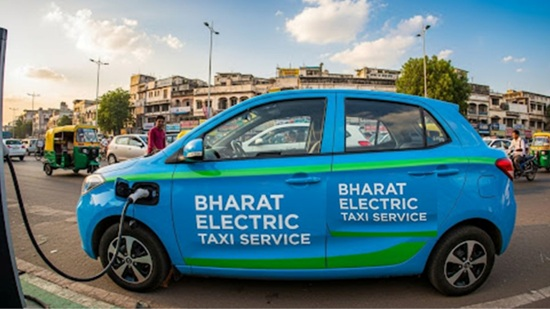
Bharat Taxi: Drivers to Receive 100% of Fare Earnings; Pilot Project Begins in Delhi This November
India is set to witness the launch of its first government-run ride-hailing platform, “Bharat Taxi,” a cooperative initiative developed jointly by the Ministry of Cooperation and the National e-Governance Division (NeGD). The service aims to offer a safe, transparent, and driver-centric alternative to private cab operators like Ola and Uber.
The pilot project will begin in Delhi in November with around 650 drivers, followed by an official nationwide launch in December 2025. Over 5,000 drivers, including a large number of women “Sarathi” (drivers), are expected to join the initiative by the end of the year.
Drivers as Co-Owners, Zero Commission Model
Unlike private platforms that charge up to 25% commission per ride, Bharat Taxi will allow drivers to retain 100% of their fare earnings. Instead, they will pay a nominal subscription fee—daily, weekly, or monthly—based on usage.
The service will operate under the Sahakar Taxi Cooperative Limited, established in June 2025 with a corpus of ₹300 crore. It functions as a subscription-based cooperative model, making drivers shareholders in the enterprise.
The Governing Council includes top cooperative figures such as Amul MD Jayen Mehta (Chairman) and NCDC Deputy MD Rohit Gupta (Vice Chairman), along with representatives from leading cooperatives nationwide. The council held its first meeting on October 16.
Key Features: Safety, Stability, and Inclusivity
The Bharat Taxi app—available in Hindi, Gujarati, Marathi, and English—will be launched on app stores in November. Key features include:
Direct police integration and a panic button for passenger safety.
Transparent and stable pricing, without surge fares.
Bonuses and dividends for cooperative members based on performance.
Dedicated insurance and free training for women drivers under the Mahila Sarathi initiative, starting November 15.
Expansion Roadmap
Dec 2025–Mar 2026: Launch in Rajkot, Mumbai, and Pune with 5,000 drivers.
Apr–Dec 2026: Expansion to Lucknow, Bhopal, and Jaipur; 15,000 drivers, 10,000 vehicles.
2027–28: Pan-India coverage in 20 major cities, integrated with FASTag.
2028–2030: Rollout to all district headquarters and rural areas with over 1 lakh drivers.
With Bharat Taxi, the government aims to create a cooperative-driven, safe, and equitable mobility ecosystem, giving India’s drivers both ownership and dignity in the gig economy.
India has achieved major progress in forest conservation and climate action, moving up to 9th place globally in total forest area and retaining its 3rd position in annual net forest area gain, according to the Global Forest Resources Assessment (GFRA) 2025 released by the Food and Agriculture Organization (FAO). The report also ranks India 5th among the world’s top carbon sink nations, with its forests removing 150 million tonnes of carbon dioxide (CO₂) annually during 2021–2025.
India’s Rise in Global Forest Rankings
The FAO report credits India’s systematic afforestation, reforestation, and conservation initiatives for its impressive gains. India’s total forest area stands at 72.7 million hectares, representing about 2% of the global total of 4.14 billion hectares, which covers 32% of the Earth’s land surface.
Globally, Europe holds the largest share of forest area, while South America has the highest proportion of land under forest cover. More than half of the world’s forests are concentrated in Russia, Brazil, Canada, the United States, and China.
Carbon Sink Performance and Global Context
India’s forests sequestered an estimated 150 million tonnes of CO₂ annually between 2021 and 2025, ranking 5th globally in carbon removal. Worldwide, forests acted as a net carbon sink, removing about 3.6 billion tonnes of CO₂ each year.
In Asia, led by India and China, forest carbon removals reached 0.9 billion tonnes of CO₂ annually, with a sharp reduction in deforestation-related emissions. Global forest loss has also declined—from 10.7 million hectares per year in the 1990s to just over 4 million hectares between 2015 and 2025.
Expansion in Planted Forests and Agroforestry
India’s leadership in planted forests and agroforestry is another highlight.
The country accounts for 11.8 million hectares of bamboo forests, about 40% of the global total.
It ranks 5th globally in rubber plantations with 831,000 hectares.
India and Indonesia together contribute nearly 70% of the global agroforestry area, totaling 55.4 million hectares.
These initiatives have supported rural livelihoods, enhanced biodiversity, and strengthened carbon sequestration.
Facts
India ranks 9th globally in total forest area.
India ranks 3rd in annual net forest area gain.
India ranks 5th in global carbon sinks (150 million tonnes of CO₂ per year).
Global forest area: 4.14 billion hectares (32% of Earth’s land area).
India has 11.8 million ha of bamboo forests and contributes 9% of global wood removals.
Policy Initiatives Strengthening Forest Cover
Government schemes such as the National Mission for a Green India (GIM) and the National Afforestation Programme (NAP) have been pivotal in expanding India’s forest cover. Under GIM, India aims to increase forest and tree cover by five million hectares and improve quality over another five million hectares.
In the 2025–26 Budget, ₹3,412.82 crore has been allocated to the Ministry of Environment, Forest and Climate Change, marking a 9% annual increase. Initiatives like Mission LiFE and “Ek Ped Ma Ke Naam” are fostering citizen participation and sustainable lifestyles.
India’s consistent rise in global forest rankings reflects the effectiveness of its environmental policies and its growing leadership in global climate stewardship
Chhath Puja 2025 Wishes: Chhath Puja 2025, the grand festival of folk faith, will begin this year with Nahay-Khaay on October 25 and conclude with Usha Arghya on October 28.
This four-day rigorous fast is dedicated to the Sun God (Surya Dev) and Chhathi Maiya, and is believed to bring happiness, prosperity, long life, and good health for children. Devotees observe this sacred occasion with deep faith and discipline, offering prayers to the rising and setting Sun and expressing gratitude for life and sustenance.
The festival is celebrated with great devotion, especially in Bihar, Uttar Pradesh, Jharkhand, and parts of Nepal, with riversides and ghats illuminated by diyas and devotional songs echoing in the air.
During this sacred occasion, devotees observe rigorous fasts, offer arghya (water) to the rising and setting Sun, and pray for the health, happiness, and prosperity of their families. The four-day festival is marked by devotion, discipline, and purity.
The festival is celebrated with great devotion, especially in Bihar, Uttar Pradesh, Jharkhand, and parts of Nepal, with riversides and ghats illuminated by diyas and devotional songs echoing in the air.
Chhath Puja 2025 Wishes:
आपके घर-परिवार में सुख-समृद्धि बनी रहे,
ऐसी मंगलकामना के साथ
छठ पूजा की हार्दिक बधाई!
2. यह छठ पर्व आपके जीवन में नई ऊर्जा,
सुख और समृद्धि लाए।
आपको और आपके परिवार को
छठ महापर्व 2025 की बहुत-बहुत शुभकामनाएं!
3. सात घोड़ों के रथ पर सवार,
भगवान सूर्य आएं आपके द्वार।
किरणों से भरे आपका घर-संसार,
छठ आपके लिए बन जाए समृद्धि का त्योहार।
4. छठ से शक्ति मिले,
सूर्यदेव दें तेज, इस छठ पर
जीवन में नए उजाले का हो प्रवेश।
शुभ छठ पूजा 2025!
5. नहाय-खाय से पावन हुई देह,
सूर्य की भक्ति से
मिटे हर क्लेश।
छठ महापर्व की ढेरों शुभकामनाएं!
* सुंदर शायरी और कोट्स:
1. ठेकुआ की खुशबू,
खरना का मीठा प्रसाद,
छठी मैया की कृपा, रहे सबके साथ।
छठ पूजा 2025 की शुभकामनाएं!
2. मंदिर की घंटी, आरती की थाली,
नदी के किनारे सूरज की लाली।
जिंदगी में आए खुशियों की बहार,
बधाई हो छठ पूजा का त्योहार!
3. निसर्ग को वंदन करें, मन में श्रद्धा और स्नेह भरें।
छठ पूजा के शुभ अवसर पर,
आओ दिल से एक-दूसरे को याद करें।
Happy Chhath Puja 2025!
4. जो है जगत का पालनहार, सात घोड़ों की जिनकी सवारी।
Creator of iconic ads like Hamara Bajaj, Kuch Khaas Hai Zindagi Mein, and Thanda Matlab Coca-Cola
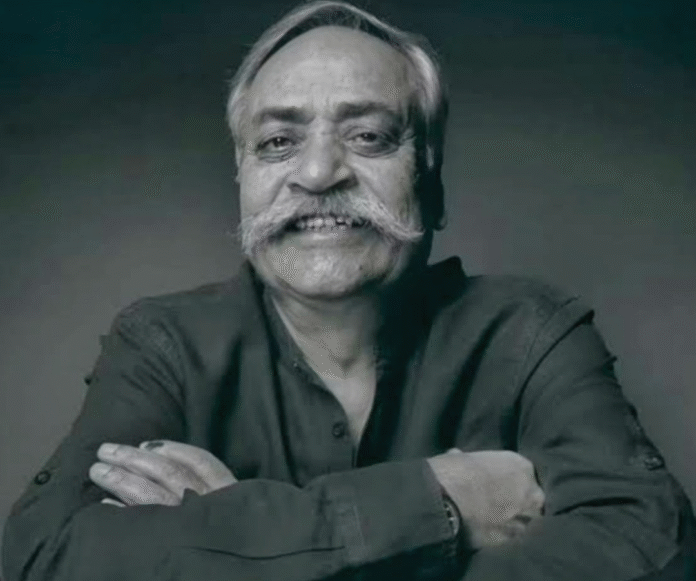
Padma Shri awardee and legendary ad guru Piyush Pandey passed away on Thursday in Mumbai at the age of 70. Pandey was one of India’s most celebrated creative minds, known for shaping the language of Indian advertising through memorable campaigns such as Hamara Bajaj, Fevicol – The Ultimate Adhesive, Cadbury Dairy Milk’s Kuch Khaas Hai Zindagi Mein, and the political slogan Abki Baar Modi Sarkar.
According to early reports, the cause of his death remains unknown, though he was said to be battling a serious infection. His funeral will take place today in Mumbai.
Early Life and Family
Born in Jaipur, Rajasthan, in 1955, Piyush Pandey grew up in a large family with seven sisters and two brothers, including film director Prasoon Pandey and singer-actress Ila Arun. His father worked in a bank, and Piyush completed his schooling in Jaipur before earning a postgraduate degree in History from St. Stephen’s College, Delhi.
A sports enthusiast in his youth, Pandey represented Rajasthan in the Ranji Trophy before turning to advertising.
Journey in Advertising
Piyush Pandey entered the world of advertising at the age of 27, beginning his career alongside his brother Prasoon Pandey. The duo initially lent their voices to radio jingles for popular brands.
He joined Ogilvy & Mather (now Ogilvy India) in 1982, where he would go on to redefine the creative landscape of Indian advertising. In 1994, he was appointed to Ogilvy’s board, later becoming the agency’s Executive Chairman and Global Chief Creative Officer.
Pandey was honoured with the Padma Shri in 2016 and received the LIA Legend Award in 2024 for his global contribution to advertising.
Iconic Campaigns by Piyush Pandey
Fevicol’s “Truck Ad” (2007): A witty depiction of a truck overloaded with passengers who never fall off — symbolizing Fevicol’s unmatched strength. The ad became a pop-culture classic and made Fevicol a household name.
Cadbury Dairy Milk’s “Cricket Ad” (2007): A young woman dancing on a cricket field after a winning shot — a moment that redefined happiness. The line “Kuch khaas hai zindagi mein” struck an emotional chord across generations.
Asian Paints’ “Har Ghar Kuch Kehta Hai” (2002): A touching story of memories and home, showing how every wall tells a tale. The campaign made Asian Paints synonymous with emotion and trust.
Hutch (Vodafone)’s “Pug Ad” (2003): Featuring a loyal pug following a boy everywhere, the ad perfectly captured the essence of network reliability. The tagline “Wherever you go, our network follows” became iconic.
BJP’s “Abki Baar Modi Sarkar” (2014): A slogan that changed the course of political communication in India, giving the BJP’s 2014 campaign a decisive edge.
Pulse Polio’s “Do Boondein Zindagi Ki”: A socially powerful campaign that continues to echo in public health initiatives across the country.
Legacy
From Hamara Bajaj to Thanda Matlab Coca-Cola, Piyush Pandey’s creative genius redefined how India connected with brands — through emotion, simplicity, and storytelling rooted in Indian culture.
His work bridged the gap between commerce and creativity, making him not just an ad man, but a chronicler of Indian life. Piyush Pandey’s legacy will continue to live on — in jingles, slogans, and smiles that shaped a nation’s imagination
Telegram, the privacy-first messaging platform founded by Pavel Durov, has achieved a $30 billion valuation, redefining what a lean digital company can accomplish. Despite having over 1 billion monthly active users and annual revenues crossing $500 million from premium subscriptions, Telegram operates with a core team of just around 40 engineers, none of whom work from a physical office.
A Billion-User Empire Without an HQ
Telegram’s operations run entirely remotely. The small team manages over 100,000 servers and delivers monthly feature updates, all without conventional corporate structures such as HR departments or physical headquarters. Durov, who personally funds and fully owns Telegram, has championed this minimalist structure as the key to innovation and agility.
In a 2025 internal memo reportedly circulated among developers, Durov highlighted Telegram’s philosophy: “We optimize for talent, not headcount. Every line of code must matter.” This focus on efficiency has allowed Telegram to rival much larger competitors like WhatsApp and Signal, even as it remains independent and ad-free.
Premium Growth and Global Reach
Telegram introduced its Premium Subscription in 2022, offering enhanced upload limits, faster downloads, and exclusive features. The model has since become a major revenue driver, with over 50 million paying users worldwide. Analysts credit the app’s transparent privacy policies and frequent updates — including AI chatbots, channel monetization, and ad-sharing tools — for fueling steady global growth.
The company’s valuation surge reflects investor confidence in Telegram’s ability to scale sustainably without compromising its core values of privacy, speed, and freedom of expression.
Challenges on the Horizon
However, Telegram’s rise hasn’t been without controversy. Regulators in Vietnam, Brazil, and parts of Europe have criticized the platform for insufficient moderation of illegal content, prompting temporary bans and compliance demands. Durov continues to defend Telegram’s encryption and user autonomy, framing these as essential to digital freedom.
A New Blueprint for Tech Companies
Telegram’s success challenges conventional corporate wisdom — proving that a billion-user platform can thrive without sprawling offices or vast teams. As the app continues its global expansion, its lean, decentralized model stands as a blueprint for the next generation of tech startups aiming to balance privacy, performance, and profit.
The modern photo booth snap—or the group selfie—is a cultural ritual. It captures a moment of shared joy, laughter, and friendship. But let’s be honest: moments after the shutter clicks, the real fun begins. The inevitable, unspoken competition to see who looks best. While friendship is paramount, a little playful rivalry over who ‘won’ the photo booth session is part of the fun. Who has the best smile, the most striking features, or the most photogenic angle?
In the past, this debate was settled by subjective voting and sometimes, gentle flattery. Today, we have a fun, high-tech referee ready to step in. The pretty scale test, powered by Artificial Intelligence, can analyze a photo with an objective, algorithmic eye, turning a casual group picture into a lighthearted aesthetic competition. It’s time to move beyond biased opinions and let the data settle the score for the sake of digital entertainment.
Beyond the Selfie: AI as the Ultimate Photo Judge
The digital age has gifted us tools that allow us to interact with our appearance in ways previous generations could only imagine. We can filter, retouch, and now, we can measure. This playful analysis applies mathematical principles of aesthetics—symmetry, proportionality, and the Golden Ratio—to analyze a face. In a group photo, this technology can analyze each individual, simultaneously providing a fun, objective-sounding score for everyone involved. It turns the classic ‘who is the prettiest’ game into a quantifiable piece of social media content.
The best results for any AI analysis start with a perfect image. Before you even upload your group shot for the ultimate aesthetic challenge, ensure you have a clear, high-quality picture. For those spontaneous moments when you need a great, well-lit portrait quickly, using a free online camera feature ensures you capture a crisp, front-facing shot ideal for AI processing. This dual utility—perfect capture followed by objective analysis—makes the entire experience seamless and ready for sharing. It’s the ultimate digital icebreaker and social media fuel, injecting data and fun into every friendship group’s photo collection.
The Social Science of AI Scores
What is it about getting an AI score that is so compelling? It taps into a universal curiosity about our self-image, divorced from the human element of bias or affection. When the score is delivered, it’s not just a number; it’s a talking point, a playful challenge, and an opportunity for personalized insight. In a group setting, comparing these scores—and the detailed breakdown of features that accompany them—becomes a deeply engaging activity.
The technology behind this isn’t focused on narrow beauty standards; rather, it’s a mathematical tool designed to recognize patterns. It identifies your face shape, measures the distance between your features, and assesses the overall balance of your portrait. This breakdown can be surprisingly insightful, giving users a vocabulary to discuss their own unique traits. It turns an abstract concept (“you look great!”) into something concrete, making it a unique tool for both amusement and genuine feature discovery.
How does the Pretty Scale test work with BeautyPlus
To better understand how AI evaluates facial aesthetics, let’s explore how the Pretty Scale test, available through platforms like BeautyPlus, functions. This tool is built for ease of use and offers detailed insights into your facial proportions and estimated age. Here’s how it works:
1. Click the button marked “Upload Photo”. The AI will automatically start analysing your features; this will take a few seconds.
2. The system even attempts to estimate your age, drawing on algorithms that detect subtle facial cues linked to age ranges. It further assesses symmetry, proportions, and structure, generating a detailed evaluation of your appearance.
3. In just moments, you’ll receive your beauty score and age estimate, accompanied by a breakdown of your facial shape and specific features such as your eyes, eyebrows, lips, and nose. Most importantly, the report includes personalized beauty suggestions—from grooming and makeup tips to hairstyle recommendations—helping you enhance your natural charm beyond the numeric score.
Why Rate Your Beauty with Pretty Scale AI
Utilizing an AI-powered beauty analysis tool like Pretty Scale offers several compelling advantages, moving beyond mere curiosity to provide actionable insights for personal styling and self-understanding.
Firstly, you can instantly score your beauty. By simply uploading a photo to the Pretty Scale tool, you receive an immediate beauty score, typically ranging from 1 to 100, along with an estimated age. This quick feedback provides a novel perspective on how AI perceives your appearance. Secondly, the tool can analyze facial features and symmetry in detail. Pretty Scale evaluates facial symmetry and measures how closely your features align with the golden ratio, a mathematical proportion often associated with aesthetic harmony. It provides a detailed breakdown of various proportions, such as eye spacing, philtrum length, and more, offering a scientific look at your facial balance.
Thirdly, it helps you identify your face shape instantly. The AI can determine whether your face is round, oval, diamond, or another shape. It also meticulously analyzes the shape and size of your eyes, nose, lips, and other features, helping you make informed style choices that complement your unique structure. Based on this comprehensive analysis, you get personalized beauty tips. You’ll receive customized recommendations for makeup (including specific eye shadow and lip colors), eyebrow shaping, and hairstyle options that are designed to enhance your unique features and flatter your face shape.
Furthermore, the AI can assess your vibes and emotions. By analyzing your expressions, the tool can identify the mood or emotion you project in your photos, helping you understand the overall “vibe” your images give off. It’s also important to note that these tools are inclusive: men can also use the pretty face scale test. The tool provides accurate results for users of any gender, as it relies on universal measurements such as the golden ratio and symmetry to assign attractiveness scores and offer gender-neutral beauty recommendations. This ensures a broad applicability and objective analysis for all users.
Bottom Line
The digital showdown for the title of “Prettiest in the Photo Booth” is now open for playful, objective adjudication. By leveraging the pretty scale test, you turn a spontaneous snap into a captivating analysis. The power of AI brings fun, data-driven insights to social photography, ensuring that every group photo is not just a memory, but a memorable topic of conversation.
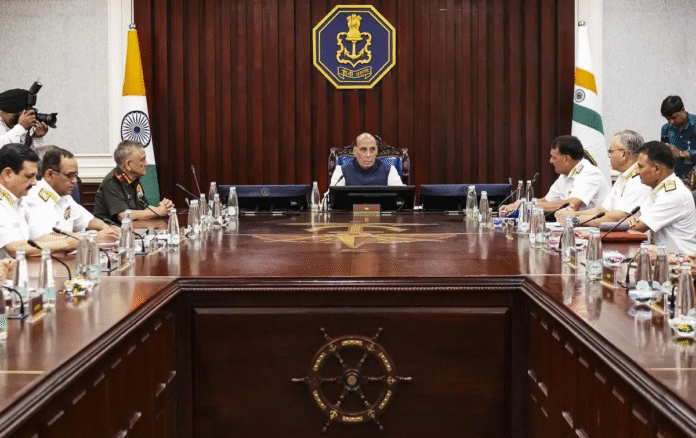
In a major move to strengthen India’s defence capabilities, the Defence Acquisition Council (DAC), chaired by Defence Minister Rajnath Singh, has approved capital acquisition proposals worth about ₹79,000 crore for the Army, Navy, and Air Force.
The council met at South Block in New Delhi on October 23, 2025, and gave the green light to a range of indigenous projects aimed at enhancing operational readiness across all three services.
For the Indian Army, the DAC granted Acceptance of Necessity (AoN) for the procurement of the Nag Missile System (Tracked) Mk-II (NAMIS), Ground-Based Mobile ELINT System (GBMES), and High Mobility Vehicles (HMVs) with material-handling cranes.
The NAMIS (Tracked) system will boost the Army’s ability to destroy enemy combat vehicles, bunkers, and fortifications, while the GBMES will strengthen real-time electronic intelligence capabilities. The HMVs, on the other hand, will improve logistics and mobility in challenging terrains.
The Indian Navy received AoN for several advanced systems, including Landing Platform Docks (LPD), 30mm Naval Surface Guns (NSG), Advanced Light Weight Torpedoes (ALWT), Electro-Optical Infra-Red Search and Track Systems, and Smart Ammunition for 76mm Super Rapid Gun Mounts. These additions will enhance the Navy’s maritime strike and defence capabilities, enabling it to conduct amphibious, peacekeeping, and humanitarian operations with greater efficiency.
The indigenously developed ALWT, capable of targeting conventional and nuclear submarines, marks another milestone in self-reliant defence technology.
For the Indian Air Force, the DAC approved the Collaborative Long Range Target Saturation/Destruction System (CLRTS/DS) a cutting-edge platform with autonomous take-off, landing, navigation, and payload delivery capabilities.
The ministry said these acquisitions align with the government’s focus on an “Aatmanirbhar Bharat” in defence and will significantly enhance India’s overall combat readiness across land, sea, and air.