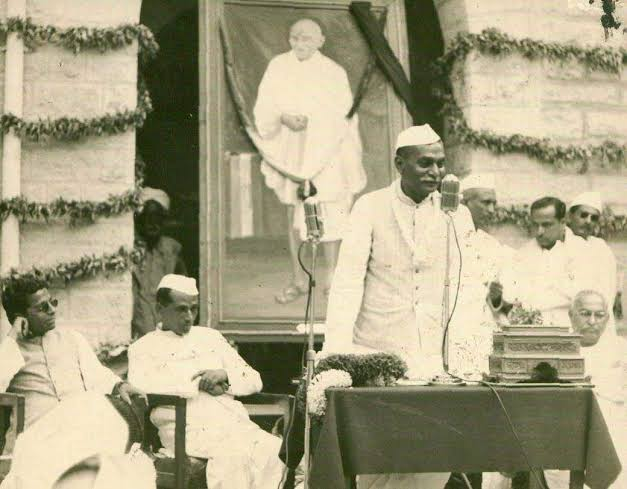
Rajendra Prasad, born on December 3, 1884, was India’s first President and one of the foremost architects of modern India. A scholar, lawyer, freedom fighter and statesman, he played an instrumental role in shaping the Constitution and guiding the newly independent nation.
Early Life and Education
Born in Ziradei, Bihar, Dr. Prasad was a brilliant student from a young age. At the age of five, he was taught by a Maulavi because his father wanted him to learn Persian, Hindi, and arithmetic. He later studied at the University of Calcutta and built a successful career in law, also teaching English and Economics during his student years.
Role in the Freedom Movement
A dedicated activist in the Indian independence struggle, he emerged as a significant leader within the Indian National Congress. Dr. Prasad was jailed during both the Salt Satyagraha (1931) and the Quit India Movement (1942). During the 1934 Bihar earthquake, while still in jail, he was released to lead relief efforts and established the Bihar Central Relief Committee.
Political Leadership and Presidency
When India became a Republic in 1950, Dr. Rajendra Prasad was unanimously elected President of the Constituent Assembly. He went on to serve as the first President of India from January 26, 1950, to May 13, 1962, becoming the only President to serve two full terms, a tenure spanning nearly 12 years.
Known for his humility, integrity, and farsighted leadership, he set important precedents for the office of the President and for parliamentary conduct—guidelines still respected today.
Later Years and Legacy
After retiring from the presidency, Dr. Prasad stepped away from active politics and spent his final years at Sadaqat Ashram, Patna. He passed away on February 28, 1963.
In recognition of his immense contribution to the nation, he was awarded India’s highest civilian honour, the Bharat Ratna, in 1962.
Interesting Facts About Dr. Rajendra Prasad
Only Indian President to serve two full terms.
Close associate of Mahatma Gandhi and a key contributor to the drafting of the Constitution.
Wrote for revolutionary publications Searchlight and Desh.
Authored several notable works, including: India Divided, Words of Freedom, Ideas of a Nation: Rajendra Prasad, and At the Feet of Mahatma Gandhi
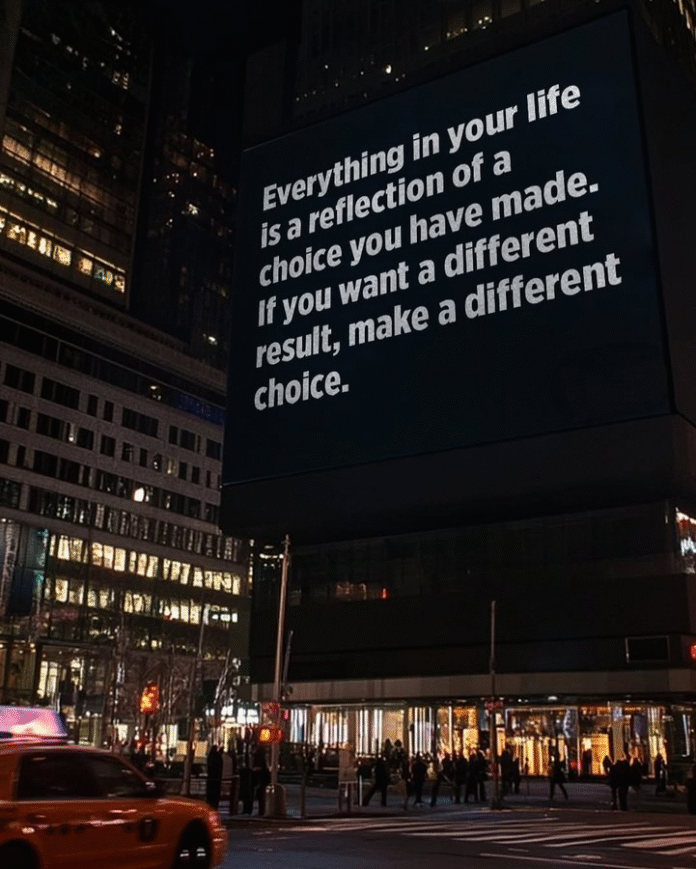
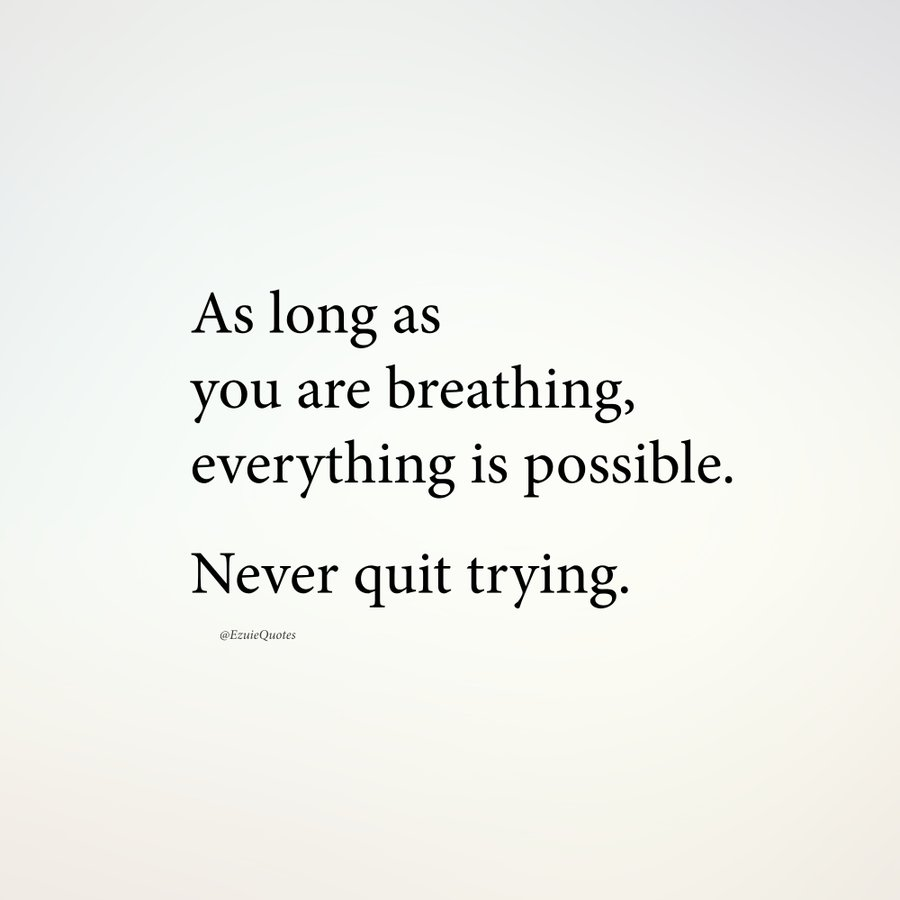
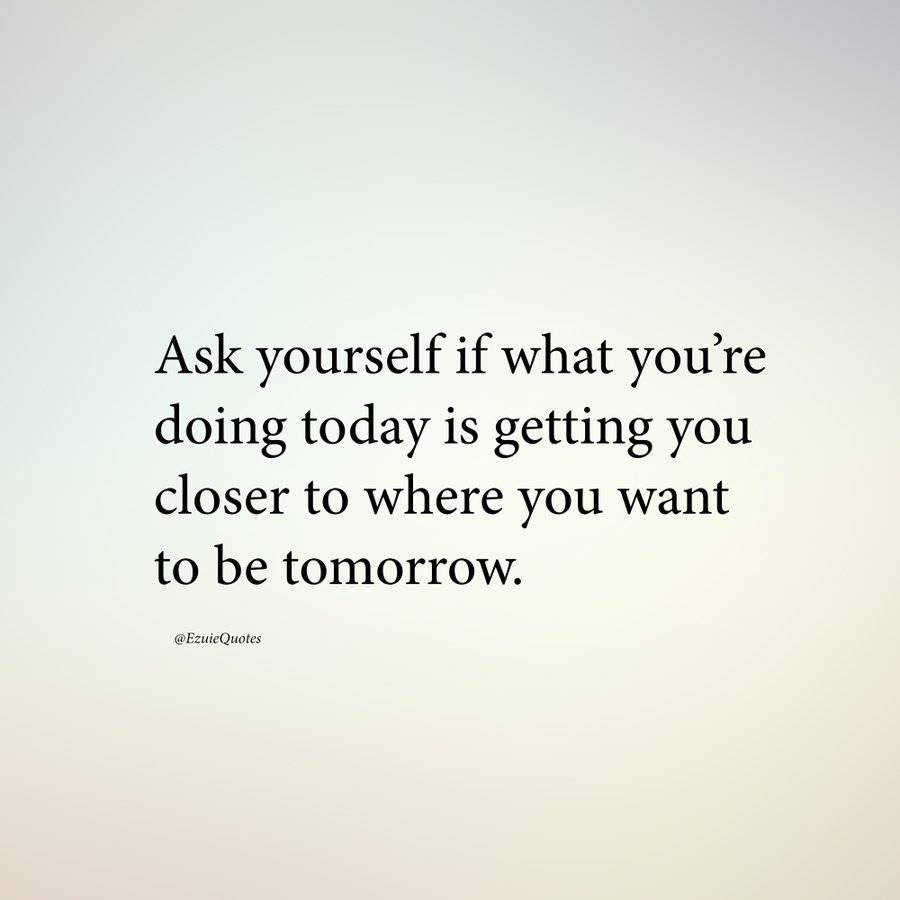
Life is a journey filled with lessons, challenges, beauty and growth. Quotes about life inspire reflection, strengthen resilience and remind us to live with purpose, gratitude and courage. These quotes also offer wisdom in simple words and guidance through every stage of living. Here comes 10 famous quotes on life which are sure to motivate you when you face challenges in life…
10 famous quotes about life…
“The most important thing is to enjoy your life – to be happy – it’s all that matters.” – Steve Jobs
“Your time is limited, don’t waste it living someone else’s life.” – Steve Jobs
“The best way to find out what you want in life is to try a lot of things.” – Oprah Winfrey
“In order to be truly happy, you must pursue your dreams and goals.” – Oprah Winfrey
“You can have anything you want if you are willing to give up everything you have.” – Oprah Winfrey
“Don’t let anyone tell you what you can’t do. Follow your dreams and persist.” – Barack Obama
“If you want something you’ve never had, you must be willing to do something you’ve never done.” – Unknown
“Everything happens for a reason.” – Unknown
“You only live once, but if you do it right, once is enough.” – Mae West
“Life is what we make it and how we make it – whether we realize it or not.” – Napoleon Hill
Autopen: A device once considered a harmless administrative tool has suddenly become the centre of a fierce political storm in the United States. The autopen — a machine used to reproduce a handwritten signature — is now at the heart of a power struggle between former President Joe Biden and newly elected President Donald Trump.
Earlier today, President Trump publicly announced that all official documents signed by Joe Biden using an autopen are “null and void.” The unprecedented declaration has sparked chaos in legal and administrative circles, shaking decades of presidential practice.
What Is an Autopen — and Why Do US Presidents Use It?
An autopen is a mechanical signing device capable of replicating a person’s handwritten signature with remarkable precision. The machine holds a pen and uses a programmed pattern to create a signature indistinguishable from the original.
In the modern US presidency, the autopen has served three key purposes:
Signing documents while the president is travelling.
Handling high-volume paperwork such as letters, proclamations, and certificates.
Ensuring administrative continuity during emergencies.
The device has been used by presidents from both political parties — including George W. Bush, Barack Obama, Donald Trump himself, and Joe Biden.
Legal scholars often compare the autopen to digital signatures used by heads of state worldwide. In 2011, the U.S. Justice Department formally ruled autopen signatures legally valid for signing legislation.
The Controversy: Trump Moves to Invalidate Biden Orders
Despite this longstanding precedent, President Trump has declared that autopen approvals during Biden’s administration—including executive orders, contracts, and presidential pardons—have “no force or effect.”
Trump further stated that individuals who received Biden’s pardon via autopen should consider them revoked, sending shockwaves through political and legal institutions.
Among the most affected are Biden’s final-hour pardons, reportedly including:
Former Joint Chiefs Chairman Gen. Mark Milley
Former medical adviser Dr. Anthony Fauci
Several lawmakers tied to January 6 investigations
Multiple members of Biden’s family
Legal Experts Push Back
Constitutional lawyers argue that Trump’s declaration lacks legal standing, noting:
Courts have previously upheld autopen signatures as lawful.
Presidential pardons, once granted, are typically irreversible.
Challenging autopen records could disrupt decades of official governance.
Some analysts warn that accepting Trump’s stance could open the door to disputes over thousands of historical federal documents — from military commissions to federal appointments.
A Constitutional Showdown Begins
What began as a technical question about a signing device has now evolved into a heated dispute over executive authority, presidential power, and historical procedure.
The coming weeks are expected to bring lawsuits, congressional scrutiny, and possibly even Supreme Court intervention.
For now, one question echoes through Washington:
Can a machine’s signature truly speak with the voice of a president — or only the president himself?
Winter isn’t just a season, it’s a memory. A memory of warm sun on rooftops, woolen sweaters that smelled like naphthalene, and kitchens where daadi and nani brewed magic. Before “immunity boosters” became a market trend, Indian grandmothers mastered winter wellness with ingredients growing right in the backyard. Every recipe protected us, nourished us, and became a part of who we are.
Amla: The immunity engine
Amla is winter’s crown jewel 8x more Vitamin C than oranges. Amla murabba, that sticky-sweet delight, repaired hair, digestion, and immunity in one bite. Amla chutney, sour and spicy, was their way of ensuring we never caught a cold easily. Today, a simple amla juice shot with honey can still keep infections at bay.
Sarson, palak & bathua
Winter greens are not optional, they are ritual.
Sarson ka saag with melting ghee = calcium + warmth Bathua raita = gut strength and detox Palak paneer or palak soup = iron armour against winter viruses Add these to smoothies, pasta sauces, or paratha stuffing daily (tradition meets modern life)
Carrot creations: From halwa to healthy bowls
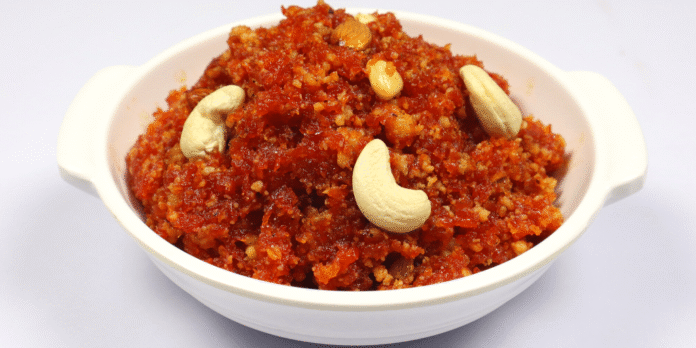
The moment red carrots arrived, gajar ka halwa ruled the dining table, rich in Vitamin A to protect eyesight and boost immunity. But dadi also made gajar-beet kanji, a fermented probiotic drink that kept digestion strong through the cold.
Methi: For strong bones & warm blood Methi paratha, methi laddoo, and even methi dana tea fight joint stiffness and improve blood flow. This humble leaf keeps us warm from inside.
Gond ke laddoo: Every joint’s best friend Edible gum warms the body core, protects bones, and increases stamina especially for children and new moms. One laddoo in the morning = natural energy booster.
Til & jaggery: The winter sweetness combo Til (sesame) + gud (jaggery) = iron, calcium, and happy hearts. From til ke laddoo, chikki, to makar sankranti revri these treats moisturize skin and keep lips from cracking too.
Haldi & Adrak: India’s antibiotics Haldi doodh, adrak-tulsi chai, and kadha they fought coughs, healed sore throats, and taught us: nature cures if we let it. These aren’t just recipes… They are warm hugs served in steel bowls. This winter let’s bring back dadi-nani’s kitchen secrets. Because sometimes, the strongest immunity comes from the softest hands.
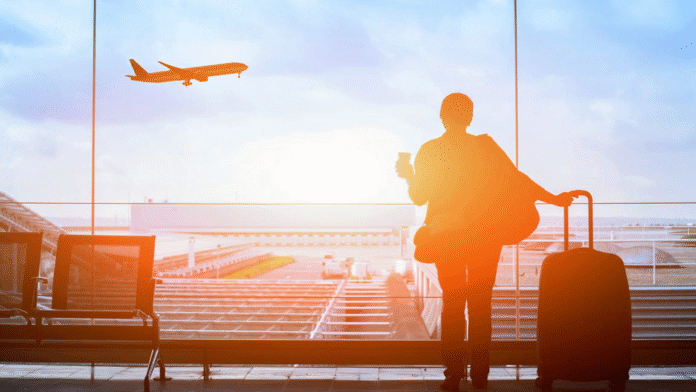
Data gathered by major hotel groups, travel companies and trend forecasters suggests that 2026 will be the year of quiet escapes, algorithm-shaped itineraries, ultra-personalised retreats and a return to slower, more intentional travel.
Across the industry, analysts have spent months studying behaviour patterns, booking data and cultural shifts to understand where travel is headed. From coolcations—a trend that began a few years ago and even became a Collins Dictionary word of the year—to flashpacking (upscale backpacking), travel forecasts often come with quirky portmanteaus, but they always reflect how we live now, or how we aspire to live.
After reviewing the most credible reports and predictions, here are the top trends set to shape travel in 2026.
1. Quiet Over Everything
The biggest trend of 2026 is the “quietcation”, also known as Hushpitality. This movement focuses on silence, comfort and escaping the relentless noise of digital life. With constant connectivity and a never-ending stream of real-time global events, travellers are increasingly seeking restorative silence.
Hector Hughes, co-founder of Unplugged—digital detox cabins in the UK—says burnout is now the main reason guests book stays. Global offerings are rising too: Visit Skåne’s Map of Quietude ranks Swedish locations by decibel levels, while Oregon’s Skycave Retreats offers three-day stays in total darkness.
2. Gen AI Over Admin
Generative AI will be deeply woven into travel planning in 2026. Research by Amadeus shows a surge in travellers using AI tools for trip ideation, booking and even translation. With platforms like Booking.com and Expedia integrating ChatGPT, itineraries can now be shaped algorithmically.
However, AI brings complications: sustainability experts warn that automated recommendations may fuel overtourism, and AI-driven scams are rising. Cultural trends specialist Jasmine Bina notes that while AI changes how we plan, it doesn’t change why we travel—especially for healing and self-understanding.
3. Trust Over Choice
Decision fatigue is real, and travellers are increasingly opting for experiences where no decisions are needed. From the Faroe Islands’ self-navigating cars to mystery cruises and surprise itineraries in Argentina, curated escapes are becoming popular tools for reducing cognitive overload.
4. Roads Over Runways
According to Hilton research, road trips are set to surge in 2026. While some companies are elevating road travel into luxury experiences, most travellers are driven by cost—60% of Brits say they’ll drive to save money. Behaviour experts note the trend remains strongly influenced by American road-trip culture.
5. Ultra-Personalised Over One-Size-Fits-All
Hyper-individualised travel is rising across life stages: grief retreats, divorce tours, menopause-focused getaways and niche hobby trips. Bina says these curated experiences act as modern rites of passage—spaces for transformation in an era of constant digital scrolling.
6. Off-Grid Over Overcrowded
Travellers are rejecting over-filtered hotspots in favour of off-grid destinations like Toledo (Spain), Brandenburg (Germany) and even Iraq. In the UK, lesser-visited areas such as Wales, Northumberland and Somerset are gaining attention. Experiences now function as social currency, with authenticity becoming a new marker of status.
7. Culture Over Hedonism
Literary travel and film-inspired trips—boosted by “#BookTok” and “set-jetting”—will continue to grow. Hotels are embracing themed stays, reading retreats and curated libraries. Cornwall (new Harry Potter series), the Yorkshire Moors (Wuthering Heights film) and Greece (Christopher Nolan’s Odyssey) are expected to be major draws.
Bina says literary travel acts as modern catharsis: a way to enter fictional worlds more deeply during times of rapid change.
Important Days in December 2025: December, the twelfth month of the year comes as the last month with a length of 31 days. Each day has a new event to feel happy and proud. Check the article below to keep a tab on all the important days and dates in December 2025 of national and international significance.
World AIDS Day is observed on 1 December every year to raise awareness and knowledge about HIV and a call to move toward ending the HIV epidemic. It was first celebrated in 1988. The theme of 2023 is “Lead The Communities”.
National Pollution Control Day is celebrated on 2 December to raise awareness about pollution and its hazardous effects. This day is observed in memory of the people who lost their lives in the Bhopal gas calamity which is considered one of the biggest industrial disasters.
It was observed on 2 December to make people aware of the modern slavery that works against human rights. Do you know more than 40 million people in the world are victims of modern slavery? This day reminds the situations of exploitation that a person cannot refuse due to threats, violence, coercion or abuse of power.
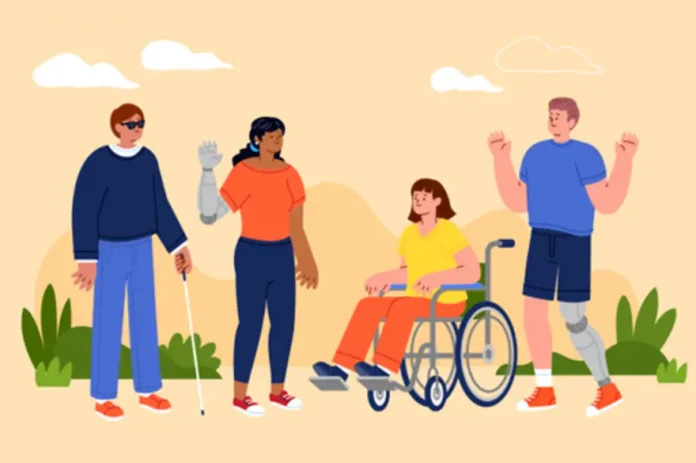
World Day of the Handicapped is also known as the International Day of People with Disabilities (IDPD). It is observed on 3 December to raise awareness about understanding and accepting people with disabilities. The theme for 2021 was “Leadership and participation of persons with disabilities toward an inclusive, accessible and sustainable post-COVID-19 world.”
4 December – Indian Navy Day
Indian Navy Day is celebrated every year on 4 December to highlight the role, achievements, and difficulties that Navy people face.
International Volunteer Day (IVD) is celebrated on 5 December every year. This day provides a chance for volunteers and organisations to celebrate their efforts, and values and promotes their work among their communities, etc.
It is observed on 6 December to celebrate and honour the invention that has made their lives easier by making it convenient and faster for them to cook and reheat food.
Armed Forces Flag Day is observed across the country on 7 December to collect funds from the common people and honour the martyrs and the men who fought with bravery on the borders to safeguard the country’s honor.
International Civil Aviation Day is observed on 7 December worldwide to raise awareness about its importance to the social and economic development of States and the role that ICAO plays in International air transport.
Every year on December 8, Bodhi Day is observed all over the world, usually under various names. To honor Gautam Buddha and his preachings, it typically occurs on the eighth day of the 12th month of the lunisolar calendar.
International Anti-Corruption Day is observed on 9 December every year to highlight how corruption affects health, education, justice, democracy, prosperity, and development.
Human Rights Day is celebrated on 10 December. The Universal Declaration of Human Rights was adopted in 1948 by the United Nations General Assembly. This day is observed to protect the fundamental human rights of all people and their basic human freedom.
He was a famous scientist, inventor, businessman, and founder of the Nobel Prizes. His father was an engineer and inventor. He was born on October 21, 1833, and died on December 10, 1869. He invented dynamite and other more powerful explosives.
International Mountain Day is celebrated on 11 December every year to educate children and people about the role that mountains play in providing fresh water, clean energy, food, and recreation. The theme of 2021 is “Sustainable mountain tourism”.
The United Nations proclaimed 12 December as International Health Coverage Day (UHC) by resolution 72/138 on 12 December 2017. The purpose behind celebrating the day is to spread awareness of the need for strong and resilient health systems and universal health coverage with multi-stakeholder partners.
In some parts of America, December 13 is recognized as National Horse Day. This day honours the historical, cultural, and economic contributions that horses have made. Look up the background and significance of the unique observance.
13 December- U.S. National Guard Birthday
The U.S. National Guard celebrates its birthday every December 13th, honoring its establishment in 1636, making it one of the oldest military organizations in the United States. On this day, the nation reflects on the Guard’s vital role in defending the country, supporting communities during emergencies, and serving overseas in various missions.
The Jewish festival of lights, Hanukkah, starts on December 14 this year. It commemorates the rededication of the Second Temple in Jerusalem and is celebrated with traditions like lighting the menorah, playing dreidel, and sharing festive meals.
Vijay Diwas is celebrated on 16 December in India to remember the martyrs, and their sacrifices, and to strengthen the role of armed forces for the cause of the nation.
Minorities Rights Day in India is observed on 18 December to preserve and promote the rights of minority communities in India. This day focuses on issues like the safety of minorities in the state. On this day several campaigns, seminars, and events are conducted to inform and educate people about them.
International Migrants Day is celebrated on 18 December to raise awareness about the protection of migrants and refugees. The International Organisation for Migration (IOM) is calling on the international community to come together and remember the migrants and refugees who have lost their lives or have disappeared while reaching a safe harbor.
The Liberation Day of Goa is celebrated on 19 December annually. On this date in 1961, Goa was released from the Portuguese dominion after an army operation and extended freedom movement. This day is celebrated in commemoration of the Indian armed forces that helped Goa to receive freedom from Portuguese rule.
International Human Solidarity Day is observed on 20 December annually to highlight the importance of unity in diversity. This day also reminds people to work together in fighting poverty, hunger, and disease.
A Western Christian practice known as “Blue Christmas” takes place on or near the longest night of the year, which is typically December 21 (the Winter Solstice). It aims to console grieving family members or friends who are having a difficult time finding joy and hope during the holiday season.
21 December – December Solstice
The December Solstice, occurring on December 21, marks a significant astronomical event that signals the official start of winter in the Northern Hemisphere and summer in the Southern Hemisphere. On this day, the Earth’s axial tilt is at its maximum angle away from or toward the Sun, resulting in the shortest day and longest night of the year in the north, and the opposite in the south.
21 December- World Saree Day
An effort has been made to recognise and celebrate the elegance of this traditional clothing on World Saree Day. It is observed every year on December 21. Sarees are among the most exquisite, graceful, and beautiful gifts made by Indian artisans and handed down through the ages.
National Mathematics Day is celebrated on 22 December annually to commemorate the birth anniversary of the famous mathematician Srinivasa Ramanujan. He had made remarkable contributions to various fields of mathematics and its branches. He was born on 22 December 1887 in Erode (today in the city of Tamil Nadu).
Kisan Divas or Farmer’s Day in India or National Farmer’s Day is celebrated on 23 December across the country to commemorate the birth anniversary of the former Prime Minister Chaudhary Charan Singh. On this day various events, seminars, functions, and competitions are organized on agriculture and its importance to educate and provide knowledge to the people.
National Consumer Rights Day is observed on 24 December annually with a particular theme across the country. The Consumer Protection Act, of 1986 received the assent of the president on this day. No doubt it is considered a historic milestone in the consumer movement in the country. This day also provides awareness about consumer rights and responsibilities.
24 December: DMRC Foundation Day
The first line of the Delhi Metro, the Red Line, was inaugurated by Atal Bihari Vajpayee, the then Prime Minister of India on 24 December 2002. The first segment of the Red Line from Tis Hazari to Shahdara was opened to the public on 25 December 2002.
24 December – Christmas Eve
Christmas Eve, celebrated on December 24, marks the magical evening before Christmas Day, a time filled with anticipation and joy. It is a cherished occasion for families and communities to come together, engage in traditions, and reflect on the spirit of giving and togetherness.
Christmas Day is celebrated on 25 December worldwide annually to commemorate the birth of Jesus Christ, the Son of God.
25 December – Good Governance Day (India)
Good Governance Day in India is observed on 25 December to commemorate the birth anniversary of Atal Bihari Vajpayee. His Samadhi, namely ‘Sadiav Atal’ was dedicated to the nation and reflected his personality as a poet, humanist, statesman, and a great leader.
He died at the age of 93 on 16 August 2018. The Good Governance Day was established in 2014 to pay tribute to the former PM Atal Bihari Vajpayee to raise awareness about accountability in governance among the people of India.
Boxing Day, the day after Christmas was when boxes filled with small gifts and money would be given to household servants and employees who had to work on Dec. 25.
International Day of Epidemic Preparedness is observed on December 27 to fulfil the great need to raise awareness, the exchange of information, scientific knowledge and best practices, and quality education to curb the fatality of the Epidemic.
Ratan Naval Tata, the Indian industrialist, philanthropist, entrepreneur, and former chairman of Tata Sons needs no introduction. You may not find him on Forbes, but he surely has space in the hearts of all ages, genders, and groups.
29 December- International Cello Day
International Cello Day, celebrated annually on December 29, honors the legacy of Pablo Casals, one of the greatest cellists in history, born on this day in 1876. This special day pays tribute to the cello’s rich history, its soulful music, and the artists who bring its deep, resonant sounds to life.
According to the Gregorian calendar, New Year’s Eve is celebrated on 31st December as the last day of the year. People gather together to celebrate the evening by dancing, eating, singing, etc and welcome the New Year.
Date
Event
1 December
World AIDS Day
2 December
National Pollution Control Day
2 December
International Day for the Abolition of Slavery
2 December
World Computer Literacy Day
3 December
World Day of the Handicapped / International Day of Persons with Disabilities
The International Day of Persons with Disabilities is an annual United Nations observance held on December 3rd, dedicated to promoting the rights and well-being of persons with disabilities across all areas of society. This significant day focuses on increasing awareness about disability issues, fostering understanding, and mobilising support for the dignity, rights, and inclusion of persons with disabilities in political, social, economic, and cultural spheres.
The observance serves multiple purposes: breaking down barriers, challenging stereotypes, and encouraging communities to recognise the valuable contributions that persons with disabilities make to society. Through various activities and initiatives, the International Day of Persons with Disabilities creates opportunities for meaningful dialogue about creating more inclusive environments where everyone can participate fully.
Why is International Day of Persons with Disabilities Observed?
The International Day of Persons with Disabilities exists to address the ongoing challenges faced by persons with disabilities worldwide. Despite progress in recent decades, millions of people continue to experience disability discrimination in education, employment, healthcare, and social participation. This observance highlights these inequalities whilst promoting solutions that ensure equal opportunities for all.
The day also celebrates the achievements and contributions of persons with disabilities, showcasing their resilience, talents, and leadership. By raising awareness about accessibility empowerment, communities can better understand how inclusive design and supportive policies benefit everyone, not just those with disabilities. The observance encourages governments, businesses, and individuals to take concrete actions towards creating barrier-free societies.
Theme for International Day of Persons with Disabilities 2025
The International Day of Persons with Disabilities theme for 2025 is “Fostering disability inclusive societies for advancing social progress.” This powerful theme emphasises the critical connection between disability inclusion and broader social development.
The year’s International Day of Persons with Disabilities theme recognises that when societies embrace and support persons with disabilities, entire communities benefit from increased innovation, diversity, and social cohesion. The theme also challenges us to move beyond mere compliance with accessibility standards towards genuine cultural change that values diversity and promotes equal participation for all community members.
History of International Day of Persons with Disabilities
The International Day of Persons with Disabilities history traces back to 1981, when the United Nations declared the International Year of Disabled Persons. This landmark initiative sparked global conversations about disability rights and inclusion. The momentum continued with the United Nations Decade of Disabled Persons from 1983 to 1992, which focused on equalising opportunities, rehabilitation, and prevention of disabilities. In 1992, the UN General Assembly officially proclaimed December 3rd as the International Day of Persons with Disabilities.
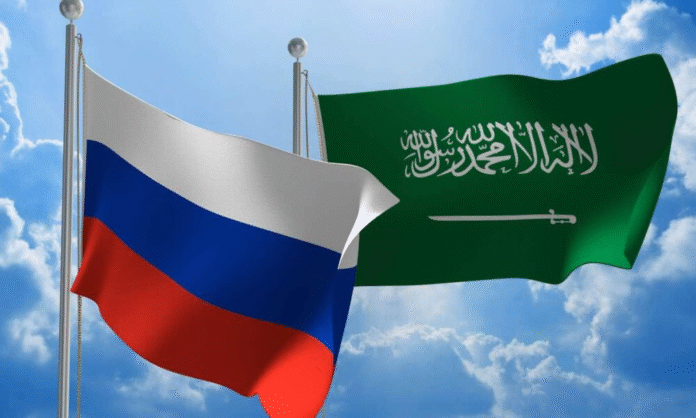
Saudi Arabia and Russia have signed a historic visa exemption agreement allowing citizens of both countries to travel visa-free for up to 90 days. The move marks the most comprehensive visa waiver granted by Saudi Arabia to any nation for holders of ordinary passports and signals a deepening phase in bilateral cooperation.
Agreement Signed at Riyadh Business Forum
The pact was formalised during the Saudi–Russian Investment and Business Forum in Riyadh. Saudi Foreign Minister Prince Faisal bin Farhan and Russian Deputy Prime Minister Alexander Novak signed the agreement in the presence of senior government and business leaders. Officials described the development as a milestone reflecting expanding collaboration in energy, investment, trade and strategic diplomacy.
Key Terms of the Visa-Free Regime
Applies to diplomatic, special and ordinary passports
Allows stays of up to 90 days in a single visit or cumulatively per year
Permitted purposes include tourism, business travel and family visits
However, activities such as employment, studies, long-term residency and Hajj pilgrimage are not covered under the exemption and will continue to require separate visas.
Expected Benefits: Travel, Trade and Cultural Exchange
The simplified entry framework is expected to:
Boost tourism flows
Ease business mobility and investment exploration
Support cultural, academic and heritage exchanges
Enhance people-to-people connectivity
Officials from both sides emphasised that reducing travel barriers will accelerate cooperation across priority sectors, including energy, infrastructure, innovation and defence.
Why the Deal Matters
The agreement makes Russia the first country to receive a full-spectrum visa exemption from Saudi Arabia, reflecting Riyadh’s evolving foreign policy and growing openness to global partnerships. Analysts view the deal as part of broader Gulf efforts to diversify ties beyond traditional Western and regional partners.
Key Points
Allows citizens of both nations 90-day visa-free entry
Applies to all passport types including ordinary passports
Valid for tourism, business and family visits
Work, study, residency and Hajj are excluded
Russia becomes the first country granted such broad access by Saudi Arabia
Delhi’s Indira Gandhi International (IGI) Airport has become the first airport in India to achieve water-positive status among facilities handling more than 40 million passengers annually. The certification marks a major milestone in India’s sustainable aviation infrastructure and reflects significant advancements in water conservation and resource management.
What Water-Positive Status Means
A water-positive establishment replenishes more freshwater than it consumes. IGI Airport earned this status by scaling up rainwater harvesting capacity, expanding groundwater recharge systems, and strengthening wastewater recycling mechanisms. The recognition was awarded at the Water Innovation Summit 2025, under the NITI Aayog–CII water neutrality framework.
How IGI Achieved the Status
Key infrastructure and initiatives include:
625 rainwater harvesting structures, enabling large-scale collection and recharge.
Two underground water storage reservoirs with a combined capacity of 9 million litres.
A 16.6 MLD zero-liquid-discharge sewage treatment plant (STP) ensuring 100% wastewater recovery and reuse.
These systems enable the airport to replenish more water into the environment than it extracts.
Smart Reuse and Efficiency Measures
Recycled water is utilised for:
Cooling and HVAC systems
Landscape irrigation
Toilet flushing and maintenance
Automated sprinklers, drip irrigation networks and smart monitoring further reduce wastage. Meanwhile, a dedicated potable water treatment facility ensures high-quality drinking water for passengers.
Why This Matters
Delhi International Airport Limited (DIAL) says the milestone strengthens IGI’s climate resilience and supports its long-term target of achieving net-zero emissions. The development also sets a national benchmark for sustainable airport operations and highlights growing momentum toward responsible water use in Indian infrastructure.
Key Facts
IGI Airport is India’s first water-positive airport handling over 40 million passengers annually.
It operates 625 rainwater harvesting systems and two reservoirs with 9 million-litre capacity.
A 16.6 MLD zero-liquid-discharge STP recycles all wastewater.
Certification follows the NITI Aayog–CII water neutrality framework.
Nagpur University has created history by appointing Dr. Manali Makarand Kshirsagar as its first woman Vice-Chancellor since the institution was founded in 1923. Her appointment marks a landmark shift in the university’s leadership narrative and reflects a broader push toward modernisation and gender-inclusive governance in higher education.
Who Is Dr. Manali Makarand Kshirsagar?
Dr. Kshirsagar, 54, is an accomplished academic administrator, researcher and technologist with strong roots in Nagpur’s higher education ecosystem. An alumna of Nagpur University herself, she holds a PhD in Computer Science along with an MBA in Finance and Marketing, reflecting a rare blend of technical and managerial expertise.
Before her appointment as Vice-Chancellor, she served as Director (Technical) and Adviser at Yeshwantrao Chavan College of Engineering (YCCE), Nagpur. Known for her work in academic administration, research promotion and institutional development, she has been involved in initiatives to strengthen digital learning, academic quality assurance and innovation-led education.
A Historic Leadership Milestone
The announcement of her appointment was made by Maharashtra Governor and University Chancellor Acharya Devvrat. Her five-year tenure officially begins this week, marking the first time in more than 100 years that a woman has occupied the university’s top leadership position.
Why Her Appointment Matters
Dr. Kshirsagar’s role is significant not only symbolically, but strategically. Her expertise aligns with the university’s current priorities:
Strengthening academic and research standards
Expanding digital and technology-driven learning
Enhancing institutional governance and transparency
Building industry partnerships and innovation ecosystems
Observers believe her leadership could accelerate overdue reforms and position Nagpur University more competitively in the rapidly evolving education landscape.
Key Points
Nagpur University was established in 1923 and is now over 102 years old.
Dr. Manali Makarand Kshirsagar is the first woman Vice-Chancellor in its history.
She holds a PhD in Computer Science and an MBA in Finance and Marketing.
Her term is for five years, appointed by the Maharashtra Governor.
Looking Ahead
As Dr. Kshirsagar assumes office, expectations are high. Students, faculty and policy observers anticipate a renewed focus on research excellence, student-centric reforms, digital transformation and stronger academic governance. Her appointment is widely seen as both a symbolic breakthrough and a practical step toward a more modern and inclusive institutional future.