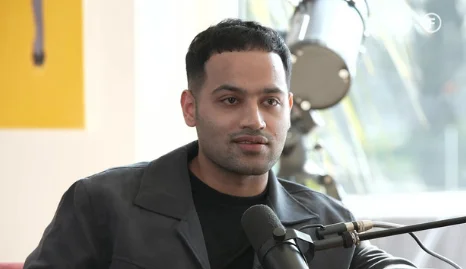
In a stunning upset that’s sending ripples across the global podcasting world, Raj Shamani’s show Figuring Out With Raj Shamani has surged to the top knocking out heavyweights like Joe Rogan and Diary of a CEO to become India’s #1 podcast in 2025. His announcement on social media confirms the milestone, and it marks a defining moment for Indian creators on the global stage.
From Indore to International podcaster: How Raj did it
Raj Shamani’s story is anything but typical. Born in Indore and once helping his father sell soaps in a small family business, he slowly built his journey into a global-ranked content powerhouse. What began as motivational videos on Instagram and YouTube evolved into “Figuring Out”, where Raj speaks candidly with luminaries from global business icons to Bollywood stars. Today, with almost 13.5 million YouTube subscribers, his reach isn’t just massive it’s influential. He recently shared a behind-the-scenes snapshot of his journey tracing the path from his original humble setup to a full-fledged podcasting studio. That post, he says, is proof that consistency, hard work and authenticity not gimmicks paved the way to his #1 ranking.
Surpassing global titans: What it means
That “Indian podcast beats Joe Rogan and Diary of a CEO” reads like a clickbait headline but the reality is deeper. Raj’s victory signals a shift: Indian content isn’t just for local audiences anymore. With his show entering the Top 100 podcasts globally, he’s joining a select league of worldwide creators.
This rise also reflects a wider trend: listeners across India and beyond are craving content that speaks to their aspirations, struggles, and realities. Raj’s blend of ambition, wisdom and relatability seems to have struck exactly that chord.
What’s Next: Global ambitions, bigger conversations
After achieving the No. 1 spot in India, Raj isn’t stopping. In a bold statement, he declared his ambition to crack the global Top 10 podcast list something no other Indian show has done yet. For creators, this success is a blueprint: starting small, staying consistent, and being authentic. For listeners it’s proof that homegrown voices can stand toe-to-toe with global legends.
As the podcasting world watches, one thing is clear: Raj Shamani isn’t just India’s top podcaster he could be its global voice.
Diwali: In a landmark moment for India, Diwali—the Festival of Lights—was officially added to UNESCO’s Representative List of the Intangible Cultural Heritage of Humanity on Wednesday. With this inscription, Diwali becomes India’s 16th entry on the prestigious global list, honoring its timeless traditions, cultural depth, and message of prosperity and harmony. Union Culture and Tourism Minister Gajendra Singh Shekhawat, present at the ceremony, called the recognition “a day of pride for India and a moment of gentle radiance for the entire world.”
In his address, Shekhawat said that Diwali is not merely celebrated in India—it is felt, lived, and passed down as an emotional and spiritual experience across generations. “Diwali is the unwavering assurance that light will prevail, that righteousness will triumph, that hope will be rekindled,” he said, invoking the ancient prayer: Asato Ma Sadgamaya, Tamaso Ma Jyotirgamaya (Lead us from darkness to light).
Shekhawat noted that UNESCO’s recognition honors not just a festival, but humanity’s eternal aspiration for peace, renewal, and the victory of good. He emphasized that Diwali survives through millions of hands that nurture it—the potter crafting the humble earthen lamp, artisans decorating homes, farmers bringing in the harvest, sweet makers preparing festive treats, and priests offering prayers. “These are the true custodians of our cultural flame,” he said.
He also acknowledged the global Indian diaspora, which has carried Diwali’s light to every corner of the world—from Singapore to South Africa, and from the Gulf to the Caribbean—showcasing India’s spirit of openness, warmth, and coexistence.
Calling the recognition both an honor and a responsibility, the Union Minister stressed the need to keep Diwali a living tradition. “Our children must know why we light the diya—not just how. They must understand that Diwali celebrates the ideals of Ram Rajya, of good governance, in an uncertain world.”
“Diwali teaches us that a lamp may be one, but its light belongs to all,” Shekhawat said. “Even a small flame, offered with love, can dispel the deepest darkness.” Expressing gratitude to UNESCO and the committee, he invited the world to light an extra diya this Diwali—one for gratitude, peace, shared humanity, and good governance.
He highlighted that since Prime Minister Narendra Modi assumed leadership, culture and heritage have been given the same priority as development in India’s national agenda.
Concluding his address, Shekhawat chanted the mantra “Sarve Bhavantu Sukhinah, Sarve Santu Niramayah” (May all be happy, may all be healthy) and raised the slogan “Jai Raja Ramchandra Bhagwan Ki Jai.”
In a historic cultural milestone, Diwali – the Festival of Lights – has officially been inscribed on UNESCO’s Representative List of the Intangible Cultural Heritage of Humanity. The announcement was made during the 20th session of the International Committee, currently underway from December 8 to 13 at the Red Fort, New Delhi.
As the declaration was made, chants of “Vande Mataram” and “Bharat Mata ki Jai” echoed through the venue, reflecting the pride and emotion associated with India’s cultural celebration receiving global honour.
The recognition highlights India’s rich cultural legacy and acknowledges Diwali’s universal message of light triumphing over darkness, good over evil, and knowledge over ignorance.
With this inscription, India’s tally on UNESCO’s Intangible Cultural Heritage list rises to 16. The existing entries include the Kumbh Mela, Durga Puja of Kolkata, Garba of Gujarat, Yoga, the tradition of Vedic chanting, and Ramlila, among others.
— UNESCO 🏛️ #Education #Sciences #Culture 🇺🇳 (@UNESCO) December 10, 2025
The inclusion of Diwali marks a significant moment for India, reaffirming the festival’s cultural, spiritual, and social relevance not only within the country but across the world.
A recent report claims that Apple is actively testing under-screen Face ID technology for next year’s iPhone 18 Pro models. According to a Chinese tipster, the system uses a specially spliced micro-transparent glass window integrated directly into the display panel.
This transparent section allows infrared light from the sensor array to pass through with minimal distortion, enabling Face ID functionality while keeping the rest of the display unchanged. If finalized, this would mark Apple’s first major step toward a completely notch-free and hole-free front design.
According to a post shared by a leaker known as Smart Pikachu on Weibo, Apple has begun testing a new display design that could enable Face ID sensors to operate under the OLED panel. The report (via MacRumors) suggests the company is using a “spliced micro-transparent glass” layer within the display. This component would allow infrared sensors from the TrueDepth camera system to scan a user’s face without interference from the screen.
The technology, still in testing, aims to make the Face ID system work seamlessly beneath the display. It must ensure the infrared projection can accurately map the user’s facial features for authentication. Although Apple has not confirmed any such project, the company has reportedly asked suppliers to speed up preparations for production, which suggests that the feature could be in an advanced stage of development.
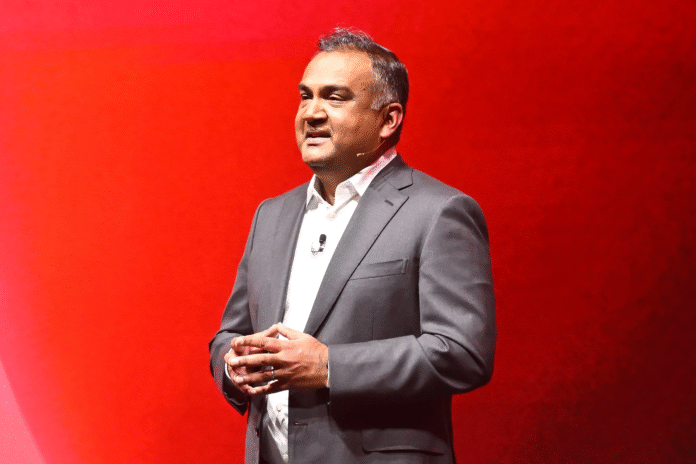
Neal Mohan, the Indian-origin Chief Executive Officer of YouTube, has been honoured as TIME Magazine’s CEO of the Year for 2025. TIME credits him with successfully guiding the platform through significant cultural and technological shifts, shaping what billions of users watch, share, and interact with daily.
A Leader Shaping Global Digital Culture
TIME describes Mohan as a “cultural architect” whose decisions directly influence the world’s digital consumption habits. Since assuming the role of CEO in 2023, Mohan has led strategic developments in content moderation, platform governance, and creator support — positioning YouTube as a driving force in global online media.
Personal and Educational Background
Born in Ann Arbor, Michigan, in 1973, Neal Mohan spent part of his childhood in Lucknow, India, where he became fluent in Hindi and also studied Sanskrit. He has spoken about the similarities between Sanskrit grammar and computer programming logic. Mohan later returned to the United States to pursue higher education, completing both his undergraduate degree and MBA at Stanford University.
His professional career began in consulting before joining NetGravity, which was later acquired by DoubleClick.
Rise Through the Tech Industry
Mohan played a crucial role in DoubleClick’s $3.1 billion acquisition by Google in 2007, which marked a turning point in his career. The move brought him into close collaboration with Susan Wojcicki, who later recruited him to YouTube. After years of working alongside her, Mohan succeeded Wojcicki as CEO in 2023. During her illness in 2024, he temporarily expanded his leadership responsibilities before officially taking charge.
Key Decisions Under His Leadership
One of the most notable developments during Mohan’s leadership was the resolution of a long-standing legal case concerning the suspension of former U.S. President Donald Trump’s channel. The dispute was settled in 2025 for $24.5 million, without any admission of wrongdoing. Mohan continues to prioritize platform safety, global content strategy, ethical AI adoption, and expanded creator tools — ensuring YouTube remains one of the world’s most influential digital platforms.
Key Points
Neal Mohan became CEO of YouTube in 2023
Named TIME’s CEO of the Year 2025
Key role in DoubleClick’s $3.1 billion sale to Google in 2007
Oversaw a $24.5 million YouTube legal settlement in 2025
Indian rice-exporting companies witnessed sharp declines on Dalal Street after US President Donald Trump warned of potential new tariffs on Indian rice imports. His remarks, made during an event announcing relief measures for American farmers, intensified trade tensions and triggered immediate volatility in rice-related stocks.
Market Reaction to Tariff Concerns
Kohinoor Foods saw the steepest fall, dropping nearly 10% to a 52-week low before staging a partial recovery. LT Foods and KRBL also declined sharply, while Chaman Lal Setia Exports slipped but later trimmed losses. Investors responded to fears that fresh US duties could weaken export competitiveness and disrupt trade flows.
Trump’s Accusations of Rice Dumping
Trump stated that India, along with Vietnam and Thailand, was “dumping” low-priced rice in the US, allegedly harming domestic growers. His comments emerged amid political pressure from the American farming community ahead of midterm elections. He also hinted that tariffs may extend to Canadian fertiliser imports, further raising uncertainty in the agriculture supply chain.
Wider Trade Context and Existing Tariffs
Washington had already imposed a 50% tariff on Indian goods in August, citing geopolitical concerns linked to India’s energy imports. With a US delegation expected to visit India, analysts believe prospects for tariff rollback remain slim. Additional duties may heighten trade tensions at a time when multiple commodities are under review in Washington.
Facts
Indian rice stocks fell after Trump warned of new tariffs on imports.
Kohinoor Foods dropped nearly 10% before partial recovery.
Trump accused India of rice “dumping” in the US market.
US had already imposed a 50% tariff on Indian goods earlier in 2025.
Outlook for Exporters and Consumers
Trade analysts suggest that even if duties rise, the overall impact on Indian exporters may be cushioned by strong demand in other global markets. However, higher tariffs could increase prices for US consumers who rely on Indian rice varieties. With policy signals from Washington remaining unpredictable, investors will closely monitor developments that may shape agricultural trade in the coming weeks.
A recent International Monetary Fund assessment has recognised India’s Unified Payments Interface as the world’s largest retail fast-payment system by transaction volume. The finding highlights India’s rise as a global leader in digital payments, driven by strong policy support and rapid merchant adoption nationwide.
Global Recognition for UPI’s Scale
The IMF’s June 2025 report on retail digital payments identified UPI as the biggest real-time payments platform globally. Complementing this, ACI Worldwide’s 2024 analysis estimated that UPI accounts for nearly 49% of total global real-time payment transactions, far surpassing systems in Brazil, Thailand, China and South Korea.
Government and Regulatory Push
UPI’s expansion is supported by coordinated initiatives from the Government, RBI and NPCI. Programmes promoting low-value BHIM-UPI transactions and infrastructure grants through the Payments Infrastructure Development Fund have accelerated digital penetration across smaller cities. By October 2025, over 5.45 crore digital touchpoints were deployed across tier-3 to tier-6 centres.
Merchant Integration and Ecosystem Growth
A large network of QR codes—nearly 57 crore as of FY 2024–25—has helped onboard around 6.5 crore merchants. UPI is now embedded across public services, e-commerce, transport systems and small retail businesses. This extensive acceptance has contributed to India recording 129.3 billion real-time transactions, representing nearly half of the global total.
Facts
IMF recognised UPI as the world’s largest fast-payment system in 2025.
UPI holds about 49% of global real-time payment volumes.
India recorded 129.3 billion transactions, ahead of Brazil and Thailand.
Over 5.45 crore digital payment touchpoints were deployed via PIDF.
UPI’s Position in the Global Payments Landscape
India’s share in global transactions reflects both domestic adoption and the interoperability-driven design of UPI. With other nations studying India’s model for replication, UPI continues to strengthen its profile as a benchmark for inclusive, scalable and real-time digital payments worldwide.
Human Rights Day is just around the corner — a meaningful reminder to reflect on, celebrate, and defend the fundamental rights that belong to every individual. The day was formally established on December 10, 1950, marking the anniversary of the United Nations’ adoption of the Universal Declaration of Human Rights just two years earlier.
Since then, December 10 has become a global moment of advocacy, awareness, and accountability. It serves as a call to action, urging governments, institutions, and individuals to uphold the principles of freedom, equality, and dignity enshrined in that historic document.
To honour the occasion and inspire meaningful reflection, we’ve put together a collection of 12 powerful Human Rights Day quotes from some of history’s most influential voices — leaders, thinkers, and activists whose words continue to guide the global struggle for justice and equality.
1. “To deny people their human rights is to challenge their very humanity.” — Nelson Mandela
From 1948 to the early 1990s, South Africa was governed under apartheid — a brutal system of racial segregation. Nelson Mandela, a leader of the African National Congress, fought tirelessly against this injustice and spent nearly three decades in prison for his activism. After his release, he led efforts to dismantle apartheid and become South Africa’s first Black president. Today, Mandela remains a global symbol of justice, equality, and the human rights movement.
2. “A right delayed is a right denied.” — Martin Luther King Jr.
Dr. Martin Luther King Jr., a Baptist minister and key figure in the American Civil Rights Movement, championed equality for African Americans through non-violent protest and civil disobedience. His leadership inspired millions worldwide to stand against injustice. King received the Nobel Peace Prize in 1964 and was posthumously honored with the Presidential Medal of Freedom after his assassination in 1968.
3. “Neutrality helps the oppressor, never the victim… When human lives are endangered, national borders become irrelevant.” — Elie Wiesel
Elie Wiesel, a Holocaust survivor, spent his life advocating for human dignity and remembering the victims of genocide. Author of more than 50 books, including his memoir Night, he won the Nobel Peace Prize in 1986. This quote from his acceptance speech stresses the moral responsibility to speak out wherever human rights are threatened.
4. “Activism works… no one is too small to make a difference.” — Greta Thunberg
Greta Thunberg, one of the most prominent young activists of the modern era, challenges world leaders to take urgent climate action. Her voice has inspired global youth movements and highlighted that the climate crisis is also a human rights issue — affecting displacement, food security, and survival.
5. “It means a great deal to those who are oppressed to know that they are not alone.” — Desmond Tutu
South African theologian and human rights advocate Desmond Tutu played a key role in ending apartheid. As Archbishop of Cape Town, he supported gender equality and LGBTQ+ rights. His words remind us that solidarity is a powerful act of resistance.
6. “My silence has not protected me. Your silence will not protect you.” — Audre Lorde
Audre Lorde, a poet and activist, dedicated her life to confronting injustice. Describing herself as a “Black, lesbian, mother, warrior, poet,” she addressed racism, sexism, homophobia, and inequality — inspiring others to speak their truth and resist oppression.
7. “One book, one pen, one child, and one teacher can change the world.” — Malala Yousafzai
Malala Yousafzai survived a Taliban assassination attempt after speaking out for girls’ right to education in Pakistan. She continued her activism globally and became the youngest Nobel Peace Prize laureate in history. Today, she remains a powerful advocate for education and women’s rights.
8. “Universal human rights begin… in small places, close to home.” — Eleanor Roosevelt
As First Lady and later a U.S. delegate to the United Nations, Eleanor Roosevelt played a crucial role in drafting the Universal Declaration of Human Rights — the foundation of international human rights law. Her message underscores that equality must begin in everyday life to have meaning anywhere.
9. “Another world is not only possible… on a quiet day, I can hear her breathing.” — Arundhati Roy
Indian author and activist Arundhati Roy uses her voice to challenge inequality, war, and environmental exploitation. This hopeful reflection from War Talk reminds us that justice, peace, and equality are achievable futures worth fighting for.
10. “Most evil is done by people who never make up their minds to be either good or evil.” — Hannah Arendt
German philosopher Hannah Arendt examined systems of totalitarianism and the nature of evil. Her work on the trial of Nazi officer Adolf Eichmann introduced the term “the banality of evil,” warning that injustice often thrives through indifference — a call to vigilance and moral responsibility.
11. “Nothing can be changed until it is faced.” — James Baldwin
James Baldwin, an influential American writer, explored race, identity, and injustice in essays, speeches, and novels. As a prominent voice in the civil rights movement, he urged society to confront uncomfortable truths to move toward equality — a message still urgently relevant today.
12. “I recognise no rights but human rights.” — Angelina Grimké
Angelina Grimké, a lesser-known yet pioneering 19th-century American activist, fought for women’s suffrage and was one of the only white Southern women publicly advocating for the abolition of slavery at the time. Her legacy continues to inspire modern human rights advocacy.
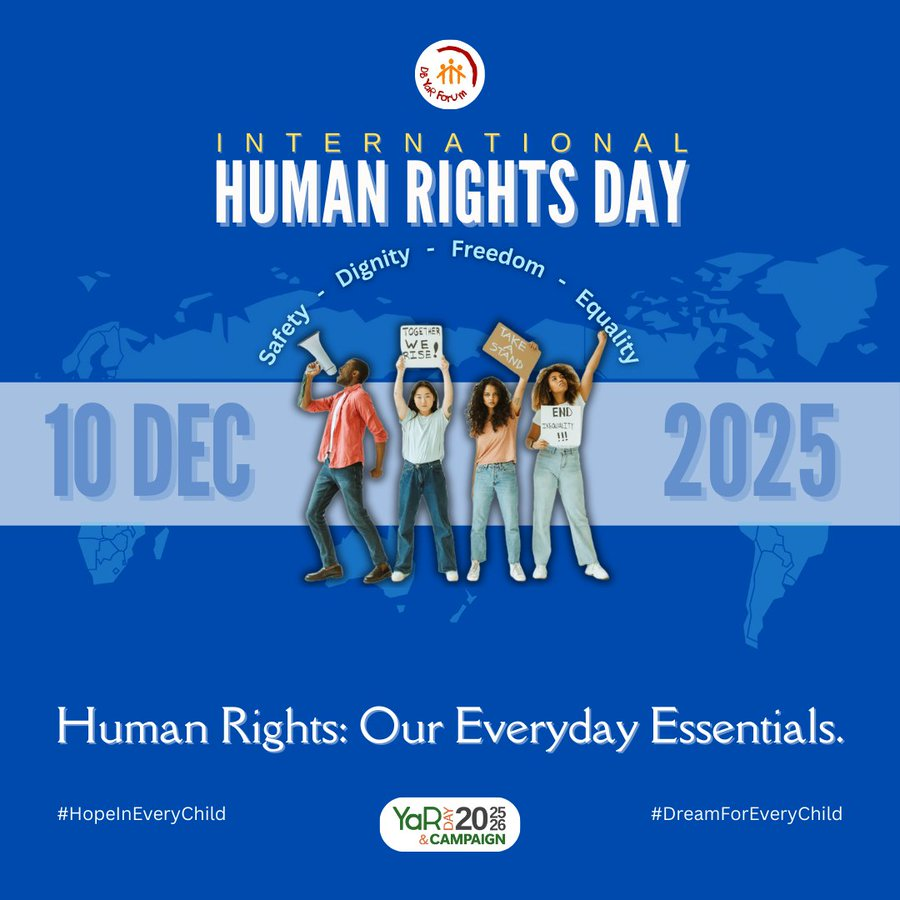
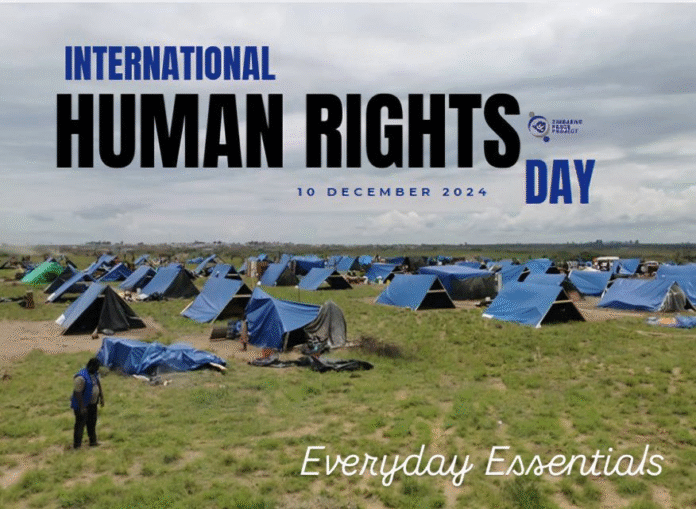
Human Rights Day, observed annually on 10 December, marks a global commitment to protecting the fundamental rights and freedoms of every individual. The day commemorates the adoption of the Universal Declaration of Human Rights (UDHR) by the United Nations in 1948 and serves as a reminder for governments and citizens alike to uphold equality, justice, and dignity for all.
Human Rights Day 2025 Theme
The theme for Human Rights Day 2025 is:
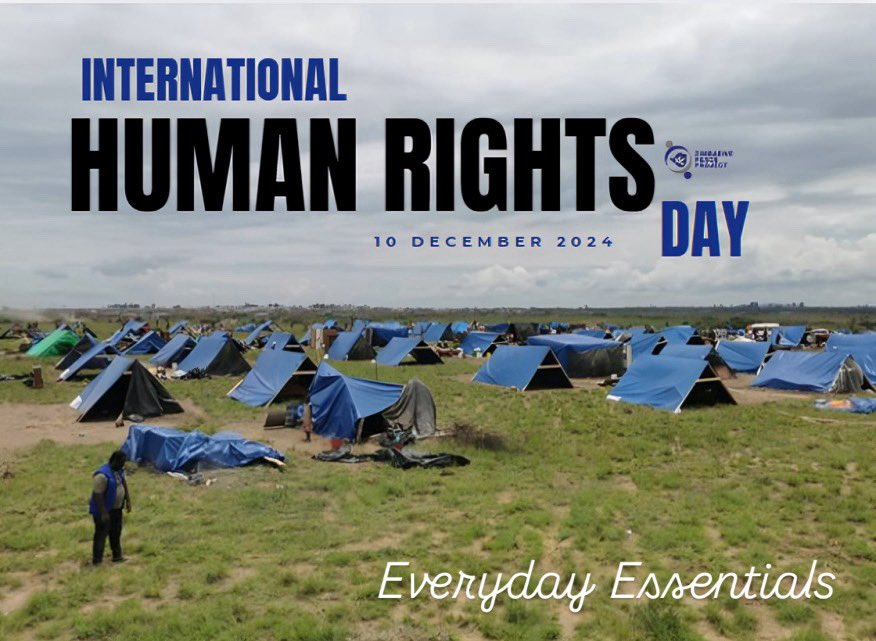
“Human Rights, Our Everyday Essentials.”
This theme underscores that human rights are not abstract principles but the foundation of everyday life—shaping access to safety, education, healthcare, livelihood, and freedom. It calls on individuals, communities, and nations to recognize and protect these rights consistently.
History of Human Rights Day
Human Rights Day has a significant historical legacy:
1948 – The Universal Declaration of Human Rights (UDHR) was adopted by the UN General Assembly.
1950 – The UN officially declared 10 December as Human Rights Day.
Since then, the day has been observed globally through educational activities, awareness campaigns, cultural programs, and discussions focused on human rights issues.
The observance reinforces the global commitment to protecting individual freedoms and promoting equality, justice, and human dignity.
Universal Declaration of Human Rights (UDHR)
Adopted on 10 December 1948, the UDHR is a milestone document that outlines essential rights and freedoms guaranteed to every person, regardless of nationality, religion, gender, or background.
Key rights under the UDHR include:
Right to equality and freedom from discrimination
Right to life, liberty, and personal security
Freedom of thought, expression, and religion
Right to education, employment, and an adequate standard of living
Right to participate in government and seek justice
The UDHR forms the foundation of international human rights law and has inspired over 70 human rights treaties.
Human Rights in India: Constitutional Provisions
India’s Constitution provides a robust framework to safeguard human rights and ensure equality, justice, and liberty for all. Key constitutional provisions include:
Constitutional Provision
Description
Preamble
Declares India a Sovereign, Socialist, Secular, Democratic Republic and ensures Justice, Liberty, Equality, and Fraternity.
Fundamental Rights (Articles 12–35)
Guarantee equality before law, freedom of speech, protection against discrimination, and right to life and personal liberty.
Directive Principles of State Policy (Part IV, Arts. 38–51)
Lay down guidelines for promoting social and economic justice, equal pay, right to work, and decent standard of living.
Universal Adult Franchise (Arts. 325, 326)
Ensures the democratic right of all adult citizens to vote.
Safeguards for Minorities (Arts. 244, 244A)
Protect linguistic, religious, and tribal minority communities.
Role of the National Human Rights Commission (NHRC)
The NHRC serves as India’s apex institution for protecting and promoting human rights.
Its key functions include:
Investigating complaints of human rights violations by public authorities
Monitoring prisons, juvenile homes, and other institutions
Recommending legal and policy reforms to strengthen human rights protection
Conducting awareness programs, workshops, and public campaigns
Advising the government on national and international human rights issues
The NHRC plays a critical role in ensuring accountability and promoting rights-based governance.
Significance of Human Rights Awareness
1. Empowers Individuals
Awareness helps people safeguard themselves from injustice, discrimination, and exploitation.
2. Protects Vulnerable Groups
Improves protection for women, children, minorities, and marginalized communities.
3. Promotes Social Harmony
Understanding human rights fosters respect, reduces conflict, and strengthens peace.
4. Strengthens Democracy
Informed citizens can participate more actively in governance and demand accountability.
5. Encourages Responsible Citizenship
Promotes respect for the rights of others and nurtures an ethical society.
6. Supports Legal Protection
Helps individuals seek justice and access legal remedies when rights are violated.
A payment processor connects merchants, banks, and card networks so that card payments move fast, safely, and under clear rules. A strong partner keeps transaction processing stable for a small business in any channel.
After reading this article, the reader will understand how a processor works, what drives transaction fees, and how to compare providers.
What Is a Payment Processor?
A payment processor is a company that routes payment information between the merchant, the acquiring bank, and the issuing bank to facilitate the transfer of funds to the merchant account. The main task is to move funds to the merchant’s business account in the right currency.
In a sale, a merchant accepts card payments through a POS system or point-of-sale terminal in a shop, or through a payment gateway and hosted checkout in e-commerce. The issuing bank issues the payment card to the cardholder, the acquiring bank provides acquiring services and the merchant account, and a card network such as Visa, Mastercard, or American Express carries messages between parties.
A payment processing service usually also acts as a payment service provider and a technical hub. It connects payment systems, handles authorization, settlement, and funding, and protects cardholder data through PCI DSS compliance, tokenization, and other controls.
A good payment processor offers support for cards, ACH transfers, digital wallets, recurring payments, and peer-to-peer payment schemes. In this payment ecosystem, payment processors facilitate online payment and in-person flows and help merchants start accepting payments.
How Payment Processors Work
Payment processors work in three main stages: capture of payment information, authorization, and final funds settlement. Each stage affects risk, cost, and speed of payouts.
When a small business begins accepting card payments, it needs to think about online transaction risk, typical settlement times in each currency, and what happens when an issue appears during a busy day. Clear rules help business owners compare providers and make informed choices and avoid surprise costs.
The processor receives payment data
The cycle starts when the cardholder taps, inserts, or types data. A merchant may use a POS system, mobile POS, card reader, or other POS hardware for in-person sales, or a virtual terminal and web form.
The device collects payment information such as card number, expiry date, CVV, amount, and currency. A payment gateway sends it to the processor and uses tools that encrypt the data in transit. Many processors offer tokenization so that store systems never store raw cardholder data.
Some reports from banks group payments into one aggregated “payment A” line on the statement. This entry simply marks a set of payments that the processor passes on to the acquiring bank during settlement.
Authorization and transaction approval
Authorization is the decision step where the issuing bank accepts or declines the transaction. The processor sends an authorization request through the card network, and the bank checks balance, limits, type of card, and chargeback ratio.
If checks pass, the bank sends an approval code through the network back to the processor, and the POS or web page confirms the sale. If there is an issue such as low balance, wrong CVV, or suspected fraud, the bank declines the payment and the merchant sees a failed card. Risk management tools at the processor side lower fraud and future chargeback fees.
ACH payments follow a similar logic, but settlement typically takes one to three business days, depending on bank cut-off times and whether same-day processing is used. The fee for each transaction is often lower than for cards. Many merchants mix ACH and card payments so that different methods suit different ticket sizes and peer-to-peer flows.
Funds settlement
Funds settlement starts after authorization. The processor groups approved payments into batches and sends them for clearing and settlement. During this stage, the network calculates interchange and the processor margin sits on top of interchange rates.
The acquiring bank credits the merchant account and later the processor moves funds to the merchant’s main business account. Some contracts say that merchants pay the interchange rate plus a markup, others use flat-rate pricing or interchange++. Some setups add a subscription.
If settings are wrong, the merchant can face a missing payout, wrong currency conversion, double debit, or late funding. In these moments, strong customer support from the payment processing service matters more than any small fee discount.
Card Transactions and Payment Fees
Card transactions carry several types of cost that together form the real effective rate. Each sale splits into interchange, card network fees, processor margin, and extras such as chargeback fees, PCI tools, or special reports.
When a business online or offline compares offers, it needs to see how transaction fees work across credit card and debit cards, online payment and in-person channels. Many contracts also mention recurring billing tools, termination fees, subscription items, and prices.
Interchange & processor fees
Interchange depends on region, card network, and type of card. The processor margin sits on top, and processors offer basic models to present this cost.
Now compare the most common pricing models in the table below, which highlights their structures and typical use cases.
Pricing model
Basic structure
Transparency
Typical use case
Flat-rate pricing
Single blended percentage rate plus fixed fee
5/5
New small business
Interchange++
Interchange plus markup plus fixed fee
5/5
Larger merchants
Tiered
Tiers by risk and card type
2/5
Traditional payment contracts
Subscription membership
Interchange pass-through plus subscription fee
4/5
High volume merchants
Custom blended
Mix of percentage rate and fixed fees per group
3/5
Special sectors
Flat-rate pricing keeps planning simple, but merchants often overpay at high turnover. Interchange++ gives a clear view of fees on top of interchange rates, yet finance teams must read detailed reports. Subscription and membership plans lower the fee for each transaction at high volume, while monthly fees bite during slow periods.
In real contracts, pricing can also depend on digital wallets, ACH, and local schemes in each currency zone. Some providers add extra cost for PCI DSS compliance tools, risk products, rare currency pairs, or complex API integration. A clear offer explains how every line links to rules and concrete services.
Chargebacks
Chargebacks arise when a cardholder asks the issuing bank to reverse a transaction. Main reasons are non-delivery, damaged goods, service disputes, fraud, and confusion over the merchant name in the statement.
To control risk, merchants use tools from the processor. Typical actions are alerts, evidence flows, limits on recurring payments, and reports on transactions between customers in peer-to-peer scenarios. Some sectors prefer quick refunds, others fight more cases and change policies that create repeated complaints.
How to Choose a Payment Processor
Choosing a payment processor is a long-term choice that shapes cost, risk, and daily work. A strong partner supports growth and helps merchants acquire new clients.
Pricing & fee model
The pricing model shapes total cost and reporting effort. A checklist helps compare offers in a structured way.
Before signing a contract, many finance teams map these points:
Percentage fee for each transaction on card payments
Fixed fee per sale in POS
Monthly fees and any extra subscription lines
Costs for PCI DSS compliance and risk tools
Termination fees, setup costs
Chargeback fees and cross-border surcharges
This list keeps attention on the full bill, not only one rate in percent. It also shows where a payment processor offers a clear model and where hidden items appear.
Supported payment methods
Supported payment methods decide how easily different clients can pay and how wide the merchant reach can grow. More methods usually mean more conversions and more work for finance and support teams.
Now look at a typical set of methods that many merchants request:
Credit card and debit cards in POS, mobile POS, and online channels
Digital wallets with tokenization on web and apps
ACH transfers and other bank or card account schemes
Local alternative payment methods and QR code flows
Recurring payments and recurring billing
Many merchants reduce the set to methods that really bring value. A processor that connects in-person, virtual terminal, and online channels in one setup often gives a good balance between reach and complexity.
Reliability & integrations
Reliability means stable uptime, clean incident handling, and fast help from customer support. Teams usually check uptime targets, incident history, funding times, and clarity of reports. They also look at hosted checkout options, SDKs, and API integration with POS hardware and software. Modern PCI DSS compliance rules push processors to improve tokenization and control of cardholder data.
A processor that invests in documentation and ready links to existing POS hardware helps prevent the same issue from repeating. This support makes it easier to process payments and keep risk at a safe level.
Top Payment Processing Companies
The market has a few global brands and many regional providers.
A merchant that compares big names with regional partners gains a better view of trade-offs. A second table helps to see basic differences.
Company
Main strength
Typical focus
Notable compromise
Stripe
Strong API integration
Online tech-first
Flat pricing at the start
PayPal
Brand trust in commerce
Small and mid-size
Often higher transaction fees
Square
All-in-one POS and mobile
Local in-person
Less flexible, mostly flat-rate pricing
Adyen
Global acquiring services
Mid and large scale
Deeper, longer integration
Paykassma
SMBs and high-risk online merchants in emerging markets
Mixed channels
Narrower global footprint
Stripe
This company is known for strong API integration, many SDKs, and wide currency support. Many tech-led merchants use it for business online.
The platform processes credit and debit cards, digital wallets, ACH, recurring billing, and alternative payment methods. Default pricing often starts as a simple flat rate and later may shift to more complex structures for high volume.
PayPal
This company grew from peer-to-peer and marketplace flows and still has strong trust from cardholders. Many merchants add the PayPal brand to checkout pages in e-commerce.
The platform lets a merchant accept payments online using cards, account balance, debit cards, and digital wallets. Strong risk control protects bank or card partners, but can lead to sudden holds when patterns change.
Square
This provider focuses on in-person sales in retail and services. Merchants get POS hardware, mobile POS, software, and processing in one pack.
The offer helps a small business start card payments quickly in a shop or cafe. The main compromise is less flexible, mostly flat-rate pricing and limited access to true interchange++ models for smaller merchants.
Adyen
This provider targets mid-size and large merchants that sell across many countries. The platform joins gateway, acquiring services, and risk management into one stack. The system supports many payment options, local schemes, and many currencies.
Paykassma
This provider works mainly with merchants in e-commerce, high-risk verticals, and retail across emerging markets. The focus lies on practical tools instead of maximum global reach.
Paykassma Payments joins online card payments, POS terminals, and mobile POS flows into one payment processing service. Finance teams often find it easier to read statements and plan cash flow when reports stay compact.
Why Your Business Needs a Payment Processor
A reliable payment processor is now basic infrastructure. A modern platform lets a merchant process payments in-person and online through POS, mobile POS, virtual terminal, hosted checkout, and a web gateway. It supports transaction processing for credit and debit card payments and helps acquire new clients. It also protects cardholder data, supports PCI DSS compliance, and helps manage risk across regions and card network rules.
Hidden work on disputes and fraud can in some cases add around one to two percent of total sales on top of headline transaction fees. Too many providers raise accounting effort and chargeback ratio. A smarter mix of card types, currencies, and channels can change margin more than a small discount on one rate.
Conclusion
A strong processor helps merchants see the real cost of payments. Clear reports on payments made, funding, settlement, and risk give better control over cash and growth planning.
A provider offers fair pricing, stable tools, and real support. Physical stores and business online then get a calmer and more predictable way to use card payments, digital wallets, and other modern methods.