Medical bills can drain your savings in days. One hospital visit and years of savings disappear. This happens to families every single day.Health insurance protects you from this nightmare. But most people do not understand what their policy actually covers. They find out only when stuck in a hospital. Let us fix that today. We will talk about health insurance benefits in the simplest way possible. By the end, you will know exactly what your policy does for you.
Why Health Insurance Matters Now More Than Ever
Hospital costs keep rising. A simple surgery that cost 50,000 rupees five years ago might cost 1.5 lakhs today. ICU charges can run into thousands per day. Medicines are expensive. Tests add up quickly. Without insurance, a serious illness can destroy your finances. Health insurance shifts this burden. You pay a small premium yearly. The company pays your medical bills. Simple exchange that saves you from disaster.
Basic Health Insurance Benefits Everyone Should Know
Every health insurance policy covers certain standard things. Let us go through them one by one.
Hospital Room Charges
When you get admitted, you need a room. Hospitals charge daily rent for rooms. It could be 2,000 rupees per day or 10,000 rupees per day, depending on the room type. Your health insurance covers this. Most policies have limits, though. They might cover AC rooms but not deluxe suites. Read your policy to know the room category covered.
Doctor Fees and Consultant Charges
Doctors charge fees for treating you. Specialists charge even more. Surgeons charge for operations. All these professional fees get covered under health insurance benefits. The company pays the doctors directly in most cases.
Medicines and Medical Supplies
Hospitals give you medicines during your stay. They use bandages, syringes, and other supplies. These costs add up fast. Your policy covers medicines given during hospitalisation. Some policies also cover medicines you buy after discharge for continued treatment.
Diagnostic Tests
Blood tests, X-rays, CT scans, and MRI scans. These tests are expensive. A single MRI can cost 8,000 to 15,000 rupees. Health insurance covers diagnostic tests done during hospitalisation. Many policies also cover pre-hospitalisation tests done before admission.
Surgical Procedures
Operations and surgeries cost lakhs of rupees. Heart surgery, kidney stone removal, and appendix operation. All covered under your health insurance. Your insurance takes care of operating theatre costs, the anaesthesia they give you, all the equipment doctors use during surgery, and what the surgeon charges.
Additional Health Insurance Benefits Worth Knowing
Extra benefits that actually help most policies cover the basics. But some give you more than that. These extras can save you a lot of money and trouble.
Pre-Hospitalization Coverage
You need tests before getting admitted. You visit the doctor for consultation. You buy prescribed medicines. Good health insurance covers these expenses for 30 to 60 days before hospitalisation. Keep all bills. Submit them along with your claim.
Post-Hospitalization Coverage
Treatment does not end when you leave the hospital. You need follow-up visits. You need medicines for weeks or months. Policies typically cover post-hospitalisation expenses for 60 to 90 days. This includes doctor consultations, medicines, and required tests.
Health Check-ups
Prevention is better than a cure. Many policies now offer free annual health check-ups. You and your family can get tests done for free once a year. This helps catch problems early. Diabetes, blood pressure, and cholesterol. Early detection saves bigger problems later.
No Claim Bonus
Did not make any claim this year? Some companies reward you. They increase your coverage amount without increasing the premium. This is called a no-claim bonus. Your 5 lakh policy might become 5.5 lakh next year if you stay healthy. Keeps increasing every claim-free year.
Understanding Policy Limits and Sub-Limits
Health insurance is not unlimited free money. There are limits. Understanding these prevents surprises.
Sum Insured
This is your total coverage amount. Could be 3 lakhs, 5 lakhs, 10 lakhs, or more. All your claims in a year cannot exceed this amount. Choose an adequate sum insured. Medical costs are high. Five lakhs minimum is recommended. Ten lakhs is better for families.
Room Rent Limits
Some policies limit room rent to a percentage of the sum insured. Maybe 1 percent per day. On a 5 lakh policy, that is 5,000 rupees per day. If you take a room costing 8,000 per day, you pay 3,000 from your pocket. Not just for the room. All other expenses get reduced proportionally. Look for policies without room rent limits. They give you more flexibility.
Disease-Specific Caps
Some policies cap payouts for certain diseases. Maybe cataract surgery is covered up to 40,000 rupees only. Hernia surgery costs up to 30,000 rupees. These sub-limits restrict your health insurance benefits. Prefer policies with fewer sub-limits or higher caps.
Final Thoughts
When you are sick or injured, money problems are the last thing you need. Health insurance makes sure you can focus on getting better instead of worrying about bills. Think of your premium as buying peace of mind, not just spending money. Ask anyone who has paid a hospital bill without insurance. They will tell you how badly it hurt. Learn from their experience, not your own. Get yourself covered today
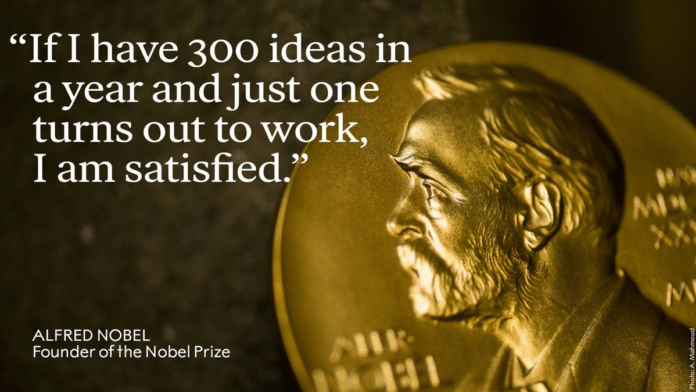
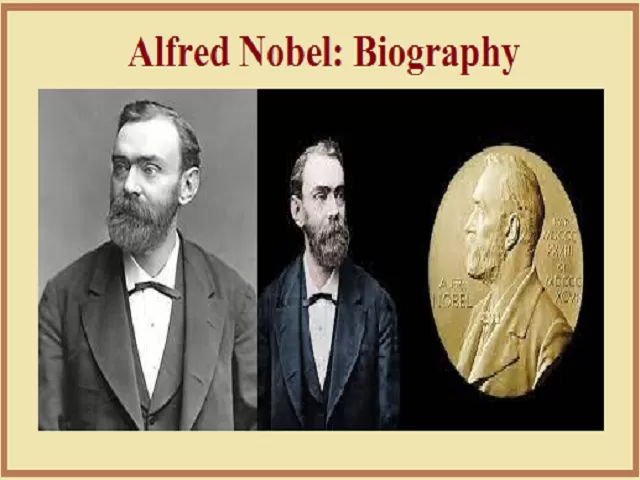
Alfred Bernhard Nobel, a chemist, engineer, inventor, industrialist, and founder of the world’s most prestigious awards, was born on October 21, 1833, in Stockholm, Sweden, and died on December 10, 1896, in San Remo, Italy. Best known for inventing dynamite, he earned immense wealth during his lifetime—only to devote it all, unexpectedly, to the creation of the Nobel Prizes. His life is a remarkable journey of innovation, introspection, and a final act that transformed his legacy forever.
Early Life and Education: A Childhood of Curiosity and Movement
Alfred Nobel was born into a family of engineers and builders. His father, Immanuel Nobel, was an innovator who constructed bridges and experimented with new blasting techniques. Young Alfred was often sick but possessed a restless intellect and a strong attachment to his mother, Andriette Ahlsell Nobel.
Financial difficulties forced Immanuel to move to St. Petersburg, Russia, where he revived his fortunes manufacturing explosive mines and machinery. The family joined him in 1842. Growing up in Russia, Alfred flourished academically—by age 17, he was fluent in Swedish, Russian, French, English, and German.
A budding scientist, Alfred left Russia in 1850 to study chemistry in Paris, later working in the United States under renowned engineer John Ericsson. He returned to St. Petersburg in 1852 to help in the family’s factory during the Crimean War.
But when the war ended in 1856, business collapsed. By 1859, the factory went bankrupt, forcing the Nobels to return to Sweden—an event that would shape Alfred’s future in explosives research.
Inventions: The Explosive Legacy
Back in Sweden, Alfred’s fascination with explosives deepened. Nitroglycerin—powerful but dangerously unstable—became the center of his experiments.
Major Breakthroughs
1863: Invented the first practical detonator.
1865: Improved it with the blasting cap, revolutionizing modern explosives use.
1867: Invented dynamite, earning him worldwide fame and enormous wealth.
1875: Created blasting gelatin, a more powerful and stable explosive.
1887: Developed ballistite, an early smokeless powder and precursor to cordite.
Over his lifetime, Nobel built a network of factories across Europe and registered more than 350 patents, ranging from explosives to artificial silk and leather. Despite his financial success, he never married and often lived a solitary, introspective life.
A Literary Soul Behind the Scientist
Nobel’s interests extended beyond science. He wrote plays, poems, and novels, though most remained unpublished. His love for literature later influenced one of the Nobel Prize categories.
How Alfred Nobel Created the Nobel Prize: The Story Behind the Will
The turning point came in 1888, when a French newspaper mistakenly published his obituary titled “The Merchant of Death is Dead.” It condemned Nobel for profiting from explosives. Shaken by how history might remember him, Alfred became determined to redefine his legacy.
His close friendship with Bertha von Suttner, a leading Austrian pacifist, further influenced him. Her ideas on peace profoundly affected Nobel and ultimately inspired the creation of the Nobel Peace Prize.
The Final Will That Shocked the World
In 1895, suffering from angina, Nobel drafted his will—one of the most consequential documents in modern history. When he died in 1896 from a cerebral hemorrhage, the world was stunned.
Nobel had left virtually his entire fortune to establish five international prizes in:
Physics
Chemistry
Physiology or Medicine
Literature
Peace
His vast industrial empire—over 90 factories—was placed into a trust to fund these awards. Despite legal challenges and family objections, the Nobel Foundation was formally established in 1900.
Today, the Nobel Prizes are celebrated annually on 10 December, the anniversary of Alfred Nobel’s death.
Why the Nobel Prizes Endure
The awards reflect Nobel’s belief in:
The power of scientific advancement
The importance of humanistic literature
The need for global peace
More than a century later, the Nobel Prizes remain the world’s highest honor in science, literature, and peace—born from the introspection of a man determined to leave humanity better than he found it.
The origin of the Nobel Prize is not just a tale of wealth and invention—it is a story of self-reflection, regret, and a determined effort to reshape one’s legacy.
The decisive moment arrived in 1888, when a French newspaper mistakenly published Alfred Nobel’s obituary instead of his late brother Ludvig’s. The headline read: “The Merchant of Death is Dead.” The article condemned Nobel for inventing dynamite and profiting from explosives used in warfare.
The misidentification shook him deeply. Nobel realised that if he died then, the world would remember him not as an innovator or humanist, but as a man who enabled destruction. This painful revelation became a defining catalyst for change.
Another key influence in Nobel’s transformation was his close friendship with Bertha von Suttner, the renowned Austrian writer and pacifist. Her writings on peace—and their personal conversations—left a lasting impression on him. Although she worked with him only briefly, her influence was profound enough to inspire what would later become the Nobel Peace Prize.
The Will That Changed the World
By 1895, as Nobel battled angina and reflected on his life’s work, he decided to take an extraordinary step. On 27 November 1895, he drafted a will that would reshape how the world viewed him—and how it would reward humanity’s greatest achievements for generations to come.
When Alfred Nobel died a year later, on 10 December 1896, the opening of his will shocked his family, close associates, and much of Europe. Instead of leaving his enormous wealth to relatives or business partners, Nobel devoted the vast majority of his fortune to establishing five annual international prizes:
Physics
Chemistry
Physiology or Medicine
Literature
Peace
His global industrial network—over 90 factories producing explosives and weapons—was directed into a trust that would finance these awards indefinitely. Legal disputes followed, and some family members contested the will, but Nobel’s vision ultimately prevailed. In 1900, the Nobel Foundation was formally established to manage the prizes.
A Legacy Rewritten
Today, the Nobel Prizes stand as some of the world’s most prestigious honours, awarded each year on 10 December, the anniversary of Alfred Nobel’s death. What began as a moment of personal reckoning has evolved into an enduring symbol of human progress—celebrating discovery, creativity, and peace.
Through his will, Alfred Nobel ensured that he would not be remembered as the “merchant of death,” but as a patron of excellence and a believer in humanity’s potential to improve the world.
Amazon has unveiled a major expansion strategy for India, committing USD 35 billion by 2030 to accelerate AI-driven digitalisation, export growth and large-scale job creation. The announcement signals the company’s intent to deepen its long-term presence in one of its fastest-growing global markets.
Massive Investment to Boost Digital Infrastructure
The new commitment builds on Amazon’s cumulative USD 40 billion investment in India since 2010. The planned funding will support infrastructure development across fulfilment, data centres, payments systems and logistics networks. The company aims to strengthen its cloud and AI capabilities through previously outlined investments in Telangana and Maharashtra.
Focus on AI-Led Digitisation and Export Growth
Senior leadership emphasised that the next phase of growth will centre on artificial intelligence. The company plans to expand tools that empower sellers, enhance customer experience and modernise supply chains. Amazon has also set a target to quadruple India-led exports to USD 80 billion, reinforcing the nation’s role as a global sourcing hub for small and medium enterprises.
Positioning as India’s Largest Foreign Investor
The latest investment outpaces those of other global technology firms, surpassing planned commitments by Microsoft and Google. Independent assessments indicate that Amazon is on course to become the largest foreign investor in India. Its substantial investment footprint reflects confidence in the country’s digital economy, regulatory ecosystem and innovation potential.
Facts
Amazon will invest USD 35 billion in India by 2030 across multiple business lines.
The company has already invested USD 40 billion in India since 2010.
India-led exports are targeted to reach USD 80 billion, up from USD 20 billion.
Amazon has digitised over 12 million small businesses nationwide.
Economic Impact Through Jobs and SME Support
Amazon’s investments have contributed to millions of direct and indirect jobs across technology, logistics and retail sectors. Expanded infrastructure and digital tools are expected to further boost employment and enhance opportunities for micro and small enterprises. With ongoing cloud and AI expansion, India remains a pivotal market for the company’s long-term global strategy.
When the dust settled on the grand finale of Bigg Boss 19, it wasn’t the loudest or the flashiest who walked away victorious it was the quiet, composed strategist from Kanpur. Gaurav Khanna lifted the trophy and pocketed ₹50 lakh (plus a car won in a task), proving that sometimes, dignity and patience outlast drama and chaos.
Calm before the storm: A different kind of strategy
Unlike many contestants who leaned into confrontation and high drama to grab attention, Gaurav played the long game. Throughout the season, he stayed away from the shouting matches and tantrums instead opting for a calm, observant stance. This “back-foot” approach often dismissed early on as passivity quietly won hearts. While chaos reigned around him, Gaurav’s composure stood out. He formed genuine bonds, avoided unnecessary conflicts, and let his actions speak louder than his words.
Consistency, connection & the comeback
Gaurav entered as a known television actor (prominent for shows like Anupamaa), but inside the house, he reintroduced himself not as “the star,” but as “one of them.” Over 15 weeks of unpredictable tasks, shifting alliances, and emotional turbulence, Gaurav didn’t just survive ue built a steady rapport with co-contestants and viewers alike. His authenticity resonated. When viewers voted, that quiet relatability turned into overwhelming support. In his own words, as shared after victory “it wasn’t about playing loud, but about understanding when and how to be present.” That mindset helped him endure, and eventually win.
Crowned: The winner who did It differently
When host Salman Khan raised his hand on 7 December 2025, it sent a clear message: reality TV doesn’t always reward the loudest sometimes it rewards the real. With Gaurav winning over fellow finalists Farrhana Bhatt, Tanya Mittal, Pranit More and Amaal Mallik, his calm, composed style was validated. The cash prize of ₹50 lakh and the car were just the immediate perks but more importantly, Gaurav proved that personality, restraint, and authenticity win hearts. Many critics called his victory “un-Bigg-Bossip” and that’s precisely why it stood out.
What Gaurav’s win teaches about winning (On TV or in Life)
You don’t need to be loud to be heard. Strategic calm can win over chaos. Consistency matters. Over weeks of ups and downs, staying true to oneself builds trust among peers and viewers. Authenticity resonates. In a game built on drama, sincerity can be the biggest differentiator. Patience pays off. Sometimes, waiting and watching is smarter than reacting impulsively. Gaurav Khanna’s Bigg Boss 19 journey wasn’t flashy it was real. And that’s why it struck a chord. In a season full of noise, he chose silence and that’s what made him unforgettable.
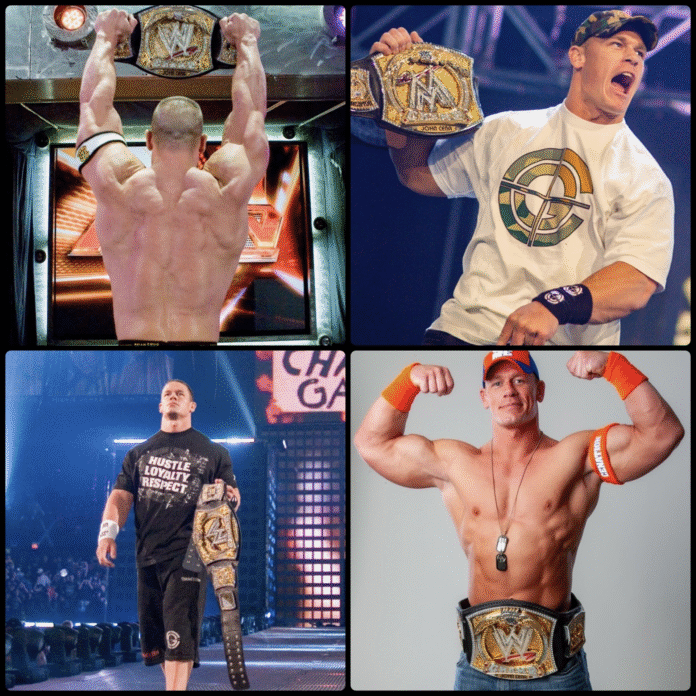
As Saturday Night’s Main Event XLII on 13 December 2025 draws near what will mark the final in-ring match of John Cena’s storied 23-year career, the legendary 17-time world champion has revealed that he’s not saying goodbye to WWE entirely. Instead, Cena has signed a five-year ambassador deal with WWE, ensuring his continued involvement behind the scenes and cementing his legacy beyond just the ring.
From icon to ambassador, what that means ?
In a recent interview with Tom Rinaldi on WWE’s official YouTube channel, Cena opened up about his future role. He made it clear that while he’s done competing in matches citing the physical demands of the ring he still wants to contribute significantly to WWE. “I will be an ambassador to WWE,” Cena said. “I’m already signed on for another five years. I would like to be in this family as an employee, as a contributing part for as long as I can.”
He added that this new second mountain of his WWE journey will likely involve mentoring up-and-coming talent, helping them unlock potential, and leveraging his star power to draw more eyes toward WWE programming:
“Maybe ambassadorship comes with letting more people know to watch this maybe mentorship to talent that I wouldn’t have time to spend time with.”
What fans can expect beyond the final bell
Mentorship & Character Development: Cena aims to take budding WWE stars under his wing fostering talent and maybe even helping discover the next big breakout superstar.
Global Promotion & Brand Building: With his Hollywood fame and global appeal, Cena can help WWE expand its reach worldwide acting as the face of the company when needed.
Appearances & Special Segments: While he won’t wrestle anymore, don’t be surprised if Cena turns up at major WWE events, promotional segments, interviews, or maybe even storyline roles albeit outside of pure in-ring competition.
Why fans are ecstatic and why this move matters
For many fans, Cena’s official exit from active wrestling was bittersweet. But this ambassador deal offers a compromise: He retires from the physical grind but remains part of the WWE world. That means all the respect, legacy, and charisma stays alive.
It also offers a sense of continuity. Rather than disappearing after the final bell, Cena now becomes a bridge connecting WWE’s legendary past with its developing future. With him backing younger talent and representing WWE globally, the brand retains a major asset.
John Cena’s retirement match might close one chapter but thanks to this five-year ambassador deal, it ensures the story is far from over. From mentoring rookies to elevating WWE’s global presence, Cena aims to stay deeply woven into the fabric of the company.
For fans, that means: Don’t say “goodbye,” say “see you backstage.”
In a landmark move that could reshape work-life balance in India, the Lok Sabha saw the introduction of the Right to Disconnect Bill, 2025, by MP Supriya Sule. The bill seeks to give employees the legal right to switch off meaning they won’t be required to respond to work calls, emails or messages outside official working hours or on holidays.
What exactly does the bill propose?
According to the bill, once your official workday ends, you’re free to ignore work-related communication whether it’s a late evening email, a text after midnight, or a call on a Sunday. No pressure, no guilt. Under the proposed law: Refusing after-hours calls, emails or messages will not attract disciplinary action. If an employee chooses to respond voluntarily after hours, that extra time should count as overtime and paid accordingly. To ensure enforcement, the bill envisions an “Employees’ Welfare Authority” that would monitor company compliance, collect data on digital workloads, and help set fair after-hours communication norms. In short “When you log off, you stay off.”
Why now? The problem of always-on work culture
With remote work, hybrid jobs, and 24/7 connectivity becoming the norm, many workers especially in IT and corporate jobs increasingly report burnout, stress, sleep problems, and blurred boundaries between work and personal life. Advocates of the bill argue that such unceasing connectivity isn’t a sign of productivity, it’s a mental health hazard. The Bill aims to restore a buffer between professional demands and personal time.
What’s the catch and why passage isn’t guaranteed
It’s worth noting that the Right to Disconnect Bill is currently a private member’s bill. That means it’s introduced by an MP not the government and historically, such bills rarely become law. Still, even if it fails to pass, the Bill will have served its purpose: sparking public debate on a serious issue, pushing companies and policymakers to rethink how we treat “off time.”
What it could mean for employees and Indian work culture
If enacted, this Bill could: Give millions of workers peace of mind no more mid-night calls or weekend pings. Bring accountability and fairness: extra work = extra pay. Encourage companies to plan better, respect boundaries, and value employee well-being.
For many workers, especially in high-stress jobs, that kind of clarity could mean the difference between mental exhaustion and real rest. From midnight-email marathons to guilt-free logout this Bill could be the first real step toward a healthier, more balanced future for work in India.
Imagine the golden years of your life under bright Mediterranean sun, by tranquil seas, amid ancient wonders all without draining your savings. Greece has recently been ranked the world’s No. 1 retirement destination for 2026, and for retirees around the world, it checks almost all the boxes: affordability, healthcare, lifestyle, climate, and cultural charm.
A lifestyle that respects time: “Siga-Siga” (Slow-ly, Slowly)
One of Greece’s biggest draws for retirees is its relaxed, unhurried pace of life. Locals often call it “siga-siga” meaning slowly, slowly and that ethos fits perfectly when work is behind you and you want to savour your days.
Here you’ll find charming seaside towns, centuries-old villages, small islands, coastal walks or sunny cafes whether in lively urban settings or peaceful countryside. The climate helps a lot: mild winters, long warm summers, and plenty of sunshine make everyday walks, beach visits or simple errands a pleasure.
Comfortable living without financial stress
Retirement often means fixed income and Greece recognises that. Compared to many Western nations, day-to-day living costs in Greece are significantly lower. Many expats and retirees report that they can live comfortably on modest income.
Whether it’s a cozy apartment in a quiet town or a seaside cottage on a tranquil island, housing tends to be much more affordable than in major EU or American cities. Alongside that, groceries, local transport, utilities and leisure don’t burden the wallet letting you enjoy life without constant budgeting worries.
Accessible & reasonable healthcare, a big plus for seniors
A major concern when retiring and visiting another country is reliable healthcare. Greece addresses this well: it offers both public and private medical services, and private coverage tends to remain affordable compared to many developed nations.
For retirees, that peace of mind knowing health needs are properly met can make a big difference in quality of life. Add to that a gentle climate and overall calm surroundings, and daily living becomes both easier and more enjoyable.
Beauty, culture & variety, from islands to mountains
Greece isn’t just affordable and comfortable it’s also stunningly beautiful and steeped in history. Whether you prefer sun-bleached islands, ancient ruins, olive-grove villages, or scenic coastlines, there’s a little something for every retiree.
You can spend mornings walking through ancient monuments, afternoons sipping coffee by the sea, and evenings enjoying local music or simple dinners under the stars. There’s a richness to everyday living here not in luxuries, but in ease, beauty, and calm.
For retirees who want life, not just years
If you’re imagining your retirement as a time to slow down, breathe deep, enjoy simple pleasures, and perhaps rediscover joy in everyday moments Greece offers that and more. From affordable living and reliable healthcare to sun-drenched landscapes and warm, welcoming culture it stands out as a place where retirement isn’t just about winding down, but truly living.
Maybe it’s time to trade in the rush for olive groves, sea breezes and easy mornings and see retirement as the beginning of another beautiful chapter.
The snow falls like a curtain rising on winter’s greatest theatrical performance. From November 29, 2025, to March 22, 2026, the world’s finest biathletes transform frozen landscapes into arenas of breathtaking precision and explosive speed. The 49th men’s and 44th women’s IBU Biathlon World Cup season delivers 69 competitions across 9 stages—a marathon of heart-pounding action where milliseconds separate triumph from heartbreak.
Picture this: athletes gliding through pristine white expanses, rifles strapped to their backs, lungs burning with exertion. Then, sudden stillness—the transition to shooting range where trembling hands must steady, where racing hearts must slow, where champions prove their mettle. This is biathlon at its purest, and the 2025-26 season promises drama that rivals any Hollywood blockbuster.
Early results electrify the bookmakerMostbet Nepalprediction landscape, with Norway’s Johan-Olav Botn seizing the opening men’s individual victory, while Italy’s Dorothea Wierer claimed women’s glory. The betting odds shift like avalanches—Eric Perrot leads men’s predictions at 10/3, while Lou Jeanmonnot dominates women’s forecasts at 2.75. These numbers tell stories of expectation, of calculated risk, of fans worldwide leaning forward in anticipation.
Tournament Profile
The International Biathlon Union orchestrates this winter symphony with military precision. Sprint races deliver quick-fire excitement, pursuit events transform into chess matches on snow, individual competitions test endurance over grueling distances, mass starts create explosive showdowns, and relays forge national pride into tangible glory.
⭐ Key Competition Types:
Sprint: 7.5km (women) / 10km (men) with two shooting bouts
Pursuit: Chase format based on sprint results, four shooting rounds
Individual: 15km (women) / 20km (men), one-minute penalties per miss
Mass Start: Top 30 athletes, winner-takes-all atmosphere
Relay: 4x6km (women) / 4×7.5km (men), teamwork under pressure
Weekly stages cascade across Europe and North America, each venue presenting unique challenges. Alpine cold bites differently than Nordic chill. Wind patterns shift strategies. Track conditions evolve hour by hour, transforming the World Cup into meteorological warfare where athletes battle elements as fiercely as opponents.
Schedule & Venues
Stage
🌍 Venue
📅 Dates
🎯 Featured Events
1
Östersund, Sweden 🇸🇪
Nov 29 – Dec 7
Individual, Short Individual, Pursuit, Relay, Mixed Relay, Single Mixed Relay
2
Hochfilzen, Austria 🇦🇹
Dec 12–14
Short Individual, Pursuit, Relay
3
Annecy–Le Grand-Bornand, France 🇫🇷
Dec 18–21
Short Individual, Pursuit, Mass Start
4
Oberhof, Germany 🇩🇪
Jan 8–11
Short Individual, Pursuit, Relay
5
Ruhpolding, Germany 🇩🇪
Jan 14–18
Short Individual, Pursuit, Relay
6
Nové Město, Czech Republic 🇨🇿
Jan 22–25
Individual, Mass Start, Mixed Relay, Single Mixed Relay
🏅
Olympics, Antholz-Anterselva, Italy 🇮🇹
Feb 8–21
(Separate from WC standings)
7
Kontiolahti, Finland 🇫🇮
Mar 5–8
Individual, Mass Start, Relay
8
Otepää, Estonia 🇪🇪
Mar 12–15
Short Individual, Pursuit, Mixed Relay
9
Oslo Holmenkollen, Norway 🇳🇴
Mar 19–22
Short Individual, Pursuit, Mass Start
Opening Events
Östersund emerged from winter darkness to host the season opener—a Swedish fortress where careers launch and legends cement legacies. The November 29 relay blasts showcased Norway’s men bulldozing competition with a 92% accuracy rate, while France’s women demonstrated clinical precision. These opening salvos set tones, establish hierarchies, create narratives that will echo through March.
Mid-Season Stages
The bookmaker enthusiasts track every intermediate stop like treasure hunters following cryptic maps. Hochfilzen’s Austrian Alps test altitude adaptability. Annecy’s French slopes reward home-crowd warriors. Oberhof’s German precision challenges discipline. Ruhpolding amplifies pressure. Nové Město’s Czech technicality separates pretenders from contenders.
🏔️ Mid-Season Highlights:
Hochfilzen: Notoriously challenging shooting range with swirling alpine winds
Annecy–Le Grand-Bornand: Massive French crowds creating electric atmosphere
Oberhof: Technical difficulty rating of 9/10, favoring experienced shooters
Nové Město: Fast tracks rewarding aggressive skiing tactics
Olympic break: Athletes pivot focus to Antholz glory (February 8-21)
Between these stages, athletes don’t merely compete—they wage psychological warfare through social media platforms. Instagram feeds overflow with training footage, YouTube video channels dissect shooting techniques, WhatsApp groups buzz with fan theories, while Google searches spike around breakout performers. The ESPN coverage amplifies storylines, transforming statistics into sagas.And if you like to pair passion with prediction, some fans mix their fandom with smart Betting strategies, using data‑driven markets and welcome offers—like a bookmaker Mostbet Promo Code or the long‑running Code MOSTBETGLOBAL24—to add another layer of adrenaline to each loop and each shot.
Final Stage & World Cup Final
Oslo Holmenkollen stands like a cathedral at season’s end. March 19-22 transforms into judgment day where accumulated points crystallize into Crystal Globe glory. The Norwegian fortress witnessed legends born—Martin Fourcade’s dominance, Johannes Thingnes Bø’s brilliance, Tiril Eckhoff’s triumph. Now, new names chase immortality.
Results & Rankings
Latest Race Results
December’s opening salvos revealed hierarchy shifts. The sports betting markets exploded as Johan-Olav Botn claimed men’s 20km individual victory on December 3, posting 0 penalties and scorching ski times. Martin Uldal grabbed silver, Sebastian Samuelsson bronze—a Swedish-Norwegian showdown promising seasonal fireworks.
Women’s 15km individual saw Dorothea Wierer resurrect Italian hopes with December 2 dominance. Sonja Leinamo’s Finnish surge secured silver, while Camille Bened delivered French bronze. These results weren’t flukes—they’re declarations of intent backed by 95% shooting accuracy in Wierer’s case.
🎖️ Early Season Standouts:
Norway’s relay team: Unbeaten across opening weekend
France’s women: Three medals in opening individual race
Czech Republic: Bronze in women’s relay announcing competitive depth
Overall Standings
🥇 Rank
🎿 Men’s Leader
🇳🇴 Nation
📊 Points
1
Johan-Olav Botn
NOR
90
2
Martin Uldal
NOR
75
3
Sebastian Samuelsson
SWE
65
4
Sivert Guttorm Bakken
NOR
55
5
Sturla Holm Lægreid
NOR
50
🥇 Rank
🎿 Women’s Leader
🇮🇹 Nation
📊 Points
1
Dorothea Wierer
ITA
90
2
Sonja Leinamo
FIN
75
3
Camille Bened
FRA
65
4
Lou Jeanmonnot
FRA
55
5
Hanna Öberg
SWE
50
These standings vibrate with potential energy. Norway floods men’s top five like a tidal wave—1,252 points in Nations Cup standings translates to 47% dominance over total field. France’s women counter with 1,229 points, establishing 51% superiority in their division. Numbers tell cold truths, but beneath them pulse stories of sacrifice, training camps at altitude, equipment tweaks measured in micrometers.
Nations Cup Rankings
France, Norway, Sweden, Germany, Italy—these aren’t just countries, they’re biathlon empires. France’s women amass 1,229 points through depth nobody matches. Norway’s men? An avalanche at 1,252 points, burying opposition under relentless excellence. The match between these nations transcends individual races, becoming seasonal warfare where club training philosophies clash, where national pride fuels superhuman efforts.
Top Athletes to Watch
Leading Men
Sturla Holm Laegreid defends his crown like a dragon guarding treasure. The Norwegian posts 93% shooting accuracy—numbers that seem computer-generated rather than human-achieved. Eric Perrot emerges from France’s factory of champions, summer victories predicting winter dominance. Tommaso Giacomel represents Italy’s future, U25 leadership hinting at generational talent.
🌟 Men’s Powerhouses:
Sturla Holm Laegreid (NOR): Reigning champion, ice-cold under pressure
Eric Perrot (FRA): Summer circuit dominator, 10/3 betting favorite
Tommaso Giacomel (ITA): Youth movement leader, 9/1 odds reflecting potential
Sebastian Samuelsson (SWE): Veteran closer, historically strong finisher
Quentin Fillon Maillet (FRA): Olympic champion seeking World Cup redemption
Johan-Olav Botn (NOR): Current leader, proving consistency trumps flash
Sebastian Samuelsson brings Swedish steel—17/4 odds reflect bookmakers’ respect for a closer who thrives when pressure peaks. Quentin Fillon Maillet carries Olympic gold’s weight, transforming burden into motivation. These men don’t merely compete; they sculpt legacies from snow and sweat.
In the middle of all this, some supporters jump from the shooting range drama to online action: slots like Sugar Rush Slot Game bring a different kind of rush, while others lean into analytics‑driven Betting on bookmaker https://guidebook.mostbet.com/registration/sports betting platforms, cross‑checking form charts, splits and historical scores.
Leading Women
Franziska Preuss rewrote German biathlon history last season, her career-best performance silencing doubters who questioned her consistency. Lisa Vittozzi returns stronger, Italy’s ace transforming rehabilitation into resurrection. Lou Jeanmonnot’s 2.75 betting odds reflect consistency that boring to describe but beautiful to witness—podium after podium, points accumulating like compound interest.
💎 Women’s Elite:
Franziska Preuss (GER): Defending champion, 5.50 odds for repeat glory
Lisa Vittozzi (ITA): Comeback queen, previous season winner
Lou Jeanmonnot (FRA): Consistency personified, 2.75 favorite status
Suvi Minkkinen (FIN): Breakout star, podium jumper from nowhere
Dorothea Wierer (ITA): Current leader, veteran experience meeting renewed hunger
Elvira Öberg glides with speed that defies physics—her ski times force competitors into shooting errors through psychological pressure alone. Suvi Minkkinen emerged from Finnish forests like a fairytale character, her breakout podiums rewriting national expectations.
Rising Talents
Campbell Wright carries dual flags—New Zealand birth, USA representation—embodying biathlon’s global expansion. Vitalii Mandzyn fights for Ukraine while his homeland endures unimaginable challenges, every race a statement of resilience. Maren Kirkeeide leads U23 standings, Norway’s assembly line producing another potential champion.
Rihards Lozbers, born 2009, shatters age assumptions. The Latvian teenager becomes the youngest World Cup starter ever, likely the youngest Olympian, posting IBU Cup course times that embarrass veterans. His presence whispers revolution—biathlon’s future arriving ahead of schedule.
Competition Format
Points System
Mathematics meets adrenaline: 90 points for victory, 75 for silver, 65 for bronze, descending to single point for 40th place. This structure rewards consistency over brilliance, marathon effort over sprint glory. Athletes drop two worst results, creating strategic calculations about rest versus racing, risk versus reward.
📈 Scoring Breakdown:
1st place: 90 points (maximum reward for podium supremacy)
2nd place: 75 points (substantial return, minimal gap to victory)
3rd place: 65 points (bronze increasingly valuable in tight races)
11th-40th: 28-1 points (every position matters in season totals)
Drop rule: Worst two results excluded, rewarding overall consistency
The bookmaker Promo Code MOSTBETGLOBAL24 unlocks betting opportunities across these intricate scoring systems. Understanding point distributions transforms casual viewing into strategic analysis, where fifth-place finishes sometimes matter more than podiums depending on seasonal context.
Race Rules
Biathlon combines contradictions beautifully. Athletes explode from start gates, hearts hammering at 180 beats per minute, then must slow hearts to 130 for shooting precision. Miss a target? Sprint penalty loops add distance and time. Individual races impose one-minute penalties per miss—cruel mathematics where single errors compound exponentially.
Season Scoring
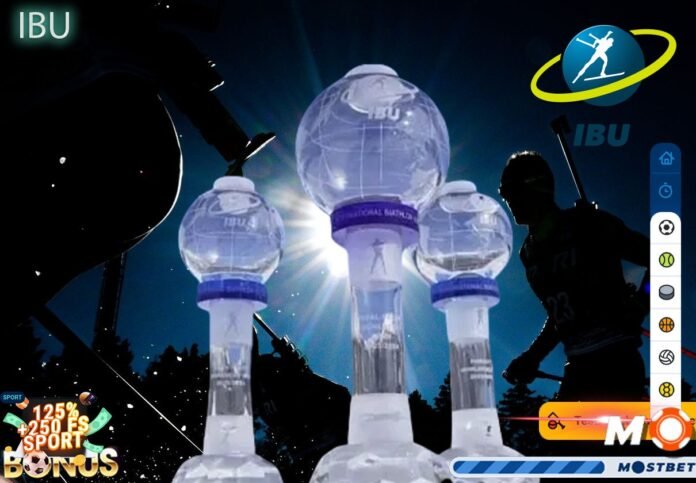
The Big Crystal Globe represents overall supremacy. Small Globes reward discipline specialists—sprint demons, pursuit tacticians, individual endurance monsters. Athletes balance specialization against versatility, calculating whether dominating one discipline outweighs consistent scoring across all formats.
Nation Highlights
Strongest Teams
Norway’s men don’t merely win—they overwhelm. Four athletes in the top five standings isn’t depth, it’s monopoly. France counters with women’s supremacy, relay combinations clicking like Swiss watches. Sweden provides balance, threatening across both genders. Germany and Italy lurk, hungry wolves awaiting Norwegian stumbles.
🏆 National Powerhouses:
Norway (Men): Unmatched depth, 1,252 Nations Cup points, relay dominance
France (Women): 1,229 points leadership, Julia Simon scandal notwithstanding
Sweden: Balanced excellence, podium threats across all events
Germany: Traditional strength rebuilding, Preuss carrying hopes
Finland: Emerging force, Minkkinen and Leinamo announcing arrival
The game between these nations unfolds across months, finals determining not just individual glory but national bragging rights worth more than gold medals.
Historical Leaders
Johannes Thingnes Bø’s name echoes through biathlon halls like thunder. Multiple overall titles between 2018-2023 established Norwegian dynasty. Before him, Martin Fourcade ruled France’s golden age—2011-2018 dominance redefining excellence. Ole Einar Bjørndalen stands atop all-time wins with 95—a mountain nobody climbs.
Women’s history celebrates Magdalena Forsberg’s 42 victories, Swedish supremacy before Norwegian takeover. Tiril Eckhoff, Marte Olsbu Røiseland—recent champions proving Norway’s factory produces across genders. The champions league of biathlon reads like Nordic mythology made flesh.
Medal Statistics
Olympic all-time statistics reveal biathlon’s geographic soul: Norway leads with 55 medals including 22 gold, Germany counters with 52 total and 19 gold, France claims 32 medals with 12 golden. These aren’t random distributions—they reflect decades of infrastructure investment, cultural prioritization, geographical advantages that snowball into systematic excellence.
The draft of young talent into national programs determines future medal counts. Norway’s junior systems feed senior teams seamlessly. France identifies prodigies early, Germany engineers technical perfection, Sweden balances athletics with academics. These philosophies clash on World Cup live score boards, victories representing years of invisible preparation.
Scandals—Julia Simon’s legal troubles, Heikkinen’s license loss, Besseberg’s corruption sentencing—remind us that sport involves humans, flawed and fascinating. Yet excellence transcends scandal. When Johan-Olav Botn steadies his rifle, when Dorothea Wierer attacks the final climb, when relay teams exchange in split-seconds—these moments erase everything except pure competition.
The rifles are loaded. The tracks are groomed. The athletes are ready. Let the games begin.
The buzz is real: the sequel to the cult-classic film 3 Idiots is officially moving forward. Reports confirm that the script for 3 Idiots 2 has been locked, and the stellar original cast Aamir Khan, Kareena Kapoor Khan, R. Madhavan and Sharman Joshi are set to reunite under the direction of Rajkumar Hirani.
This long-awaited revival comes almost 15 years after the original film released in 2009 a movie that became more than a blockbuster, turning into a phenomenon for its humor, heart and honest take on the education system. Now, the makers seem determined to recreate that magic.
Script locked & magic rekindled
According to sources close to the project, the team behind Idiots 2 believes they’ve recaptured the spirit of the original with a screenplay that promises the same blend of laughter, emotion and meaningful storytelling. What’s more, after shelving their planned biopic of cinema pioneer Dadasaheb Phalke, director Rajkumar Hirani and producer Vidhu Vinod Chopra have devoted their full attention to perfecting this sequel.
Filming is expected to begin in the second half of 2026, giving fans time to brace themselves for what could be one of Bollywood’s biggest comebacks.
Reunion of beloved characters
What adds to the excitement is that the sequel isn’t just a standalone film rather a continuation of the first, picking up 15 years later. Rancho, Farhan, Raju (and Pia!) are expected to reconnect after their separate life journeys, leading to possibly hilarious, poignant, and nostalgic transformations. For fans of the original, this means those memorable dialogues, that friendship bond, and the life-lessons wrapped in humor might once again come alive but with the added weight of time, maturity, and new perspectives.
Why 3 Idiots 2 already feels like a must-watch
The original 3 Idiots was more than entertainment it spoke to an entire generation about dreams, pressure, friendship and what really matters. Its return isn’t just nostalgic; it feels necessary. With the same core team, polished script, and a storyline reflecting life after a decade and a half this sequel is shaping up to be relevant for today’s world while retaining the charm that made the first film timeless.