Home Blog Page 102

From IPL Genius to Global Exile: The Rise and Fall of Lalit Modi

0

Few figures in Indian sport embody ambition, power, controversy, and drama quite like Lalit Modi. A man often described as bold, flamboyant, and unapologetically audacious, Modi’s journey reads less like a corporate biography and more like a gripping saga of rise, dominance, and dramatic downfall.

The Making of a Rebel Entrepreneur

Born into one of India’s most influential business families, Lalit Modi grew up surrounded by wealth and enterprise. His grandfather founded the Modi Group, and business instincts came early. But alongside privilege came rebellion—he was known for disciplinary issues in his youth and a fiercely independent streak. Yet, this same defiance would later fuel one of the most revolutionary ideas in cricket.

The Mastermind Behind the IPL

Modi’s biggest legacy is undoubtedly the creation of the Indian Premier League. Inspired by global sports leagues, he envisioned cricket as entertainment—fast-paced, glamorous, and commercially explosive.

His formula was simple but revolutionary: combine cricket, Bollywood, big money, and television. He bet on the idea that franchises, sponsors, and broadcasters would pour in money—and they did.

Within just a few years, IPL became a billion-dollar brand, transforming cricket into a global spectacle. Modi, as its first commissioner, was at the peak of power—feared, admired, and deeply influential.

Power, Politics, and Rajasthan Connections

Modi’s rise wasn’t just about business—it was also about power networks. His close association with Vasundhara Raje gave him significant influence in Rajasthan. So much so that he was once dubbed a “super chief minister” by critics.

Through strategic moves and political backing, he took control of the Rajasthan Cricket Association (RCA), reshaping its structure and consolidating authority. His aggressive style—decisive, unconventional, and often controversial—helped him rise quickly, but also created enemies.

The Fall: Allegations, Bans, and Exile

At the height of IPL’s success in 2010, everything changed. Modi was suspended by the BCCI on multiple charges including financial irregularities, bid-rigging, nepotism, and bypassing governance norms.

Investigations by the Enforcement Directorate further alleged violations involving foreign exchange laws and questionable financial deals. He was eventually banned for life from the BCCI.

Facing mounting scrutiny, Modi left India for London, where he has remained since—denying all allegations and calling them politically motivated.

A Controversial Personal Life

Modi’s personal life has been as unconventional as his professional one. He married Minal Sagrani—his mother’s friend and significantly older than him—defying family opposition.

Years later, in 2022, he surprised many by announcing a relationship with actress and former Miss Universe Sushmita Sen. The high-profile romance grabbed headlines, only to end in 2025, adding yet another twist to his already dramatic life.

A Story of Genius and Controversy

Lalit Modi remains one of the most polarising figures in Indian cricket. Visionary or villain—opinions remain divided.

What is undeniable, however, is this: he changed the face of cricket forever. The IPL continues to thrive as one of the world’s richest sports leagues, a testament to his daring vision.

But his story is also a cautionary tale—of how ambition, power, and unchecked authority can lead to a spectacular fall.

In the end, Lalit Modi’s life has everything—wealth, innovation, politics, scandal, romance, and exile. A story that still feels unfinished.


Surviving the Indian Summer: 10 Essential Tips for Health and Wellness

0

Staying Healthy When the Heat Rises

Indian summers can be intense, with soaring temperatures, dry winds, and rising humidity levels that can take a toll on the body. From dehydration to fatigue and heat-related illnesses, the season demands extra care and mindful living. The key lies in adapting your daily habits to stay cool, hydrated, and energised.

Here are 10 essential tips to help you stay healthy and refreshed through the Indian summer:

1. Hydration Is Non-Negotiable
Drink plenty of water throughout the day—even if you don’t feel thirsty. In extreme heat, your body loses fluids rapidly through sweat, increasing the risk of dehydration. Include natural drinks like coconut water, lemon water, and buttermilk to replenish electrolytes.

2. Eat Light and Seasonal Foods
Switch to a lighter diet rich in fruits and vegetables such as watermelon, cucumber, muskmelon, and leafy greens. These foods are water-rich and easy to digest, helping your body stay cool from within.

3. Avoid Peak Sun Hours
Try to stay indoors between 12 pm and 4 pm when the sun is at its harshest. If you must step out, wear protective clothing, sunglasses, and a scarf or hat to shield yourself from direct heat exposure.

4. Dress Smart with Breathable Fabrics

Opt for loose, light-coloured cotton clothes that allow your skin to breathe. Avoid synthetic fabrics as they trap heat and can lead to discomfort or skin irritation.

5. Keep Your Body Cool Naturally
Take cool showers, use wet towels, or apply sandalwood or aloe vera gel to soothe your skin. These simple practices help regulate body temperature and prevent overheating.

6. Don’t Ignore Early Signs of Heat Illness

Symptoms like dizziness, headache, excessive sweating, or nausea could indicate heat exhaustion or heatstroke. Immediate rest, hydration, and cooling are essential—seek medical help if symptoms worsen.

7. Stay Active, But Choose the Right Time

Exercise is important, but avoid outdoor workouts during the day. Opt for early morning or late evening routines when temperatures are lower to prevent strain and dehydration.

8. Protect Your Skin
Use sunscreen with adequate SPF before stepping out. Prolonged sun exposure can cause tanning, sunburn, and long-term skin damage. Reapply sunscreen every few hours if you’re outdoors.

9. Prioritise Rest and Sleep

Hot weather can disrupt sleep patterns. Keep your room cool, stay hydrated, and try to maintain a consistent sleep schedule to allow your body to recover and function optimally.

10. Refresh with Traditional Indian Drinks
India’s traditional summer beverages like aam panna, jaljeera, sattu drink, and chaas are not just refreshing—they help cool the body and restore essential nutrients lost due to heat.

Conclusion: Balance Is the Key

Surviving the Indian summer isn’t just about avoiding the heat—it’s about adapting smartly. With the right mix of hydration, nutrition, and lifestyle choices, you can stay healthy, active, and comfortable even during the hottest months. A little care goes a long way in turning a harsh summer into a manageable—and even enjoyable—season.

Floccinaucinihilipilification Goes Viral: How a 29-Letter Word Took Over the Internet

0

In the fast-moving world of trends and hashtags, it’s not every day that a nearly unpronounceable English word grabs national attention. Yet floccinaucinihilipilification—a 29-letter linguistic giant—has suddenly become the talk of the internet, leaving many amused, confused, and curious.

What Does It Even Mean?

At its core, floccinaucinihilipilification simply means the act of considering something worthless or insignificant.
Despite its intimidating length, the meaning is surprisingly straightforward—essentially dismissing something as having no value.

The word itself has Latin roots, combining terms like flocci, nauci, nihili, and pili—all of which mean “of little or no value.”
Ironically, the word is often used more for its novelty than practical communication.

Why Is It Trending Now?

The sudden buzz around the word can be traced back to a recent court ruling involving Nirmala Sitharaman.
A Delhi court, while dismissing a defamation complaint against her, used this rare word to describe the case—essentially calling it “completely worthless.”

The judge noted that the complaint lacked merit and substance, and used floccinaucinihilipilification to emphasise just how insignificant it was.

That one unusual choice of vocabulary was enough to spark widespread curiosity. Almost instantly, social media platforms were flooded with people searching for its meaning, pronunciation, and even trying to use it in sentences.

From Courtroom to Meme Culture

What started as a legal remark quickly turned into a viral moment. The sheer length and complexity of the word made it perfect for memes, jokes, and “word of the day” posts.

For many, the fascination lies not just in its meaning, but in its absurdity—how such a long, complicated word can express something so simple.

Why It Matters

Beyond the humour, this viral moment highlights the power of language. A single, rarely used word—spoken in a formal courtroom—managed to capture national attention overnight.

It also shows how digital culture thrives on the unusual. Whether it’s a quirky phrase, a tongue-twister, or an obscure term, the internet has a way of turning the most unexpected things into trends.

In the end, floccinaucinihilipilification may be difficult to pronounce—but it has certainly proven its value in one way: by becoming unforgettable.

NASA Spots a Potential Ocean World 100 Light-Years Away – Could This Be a New Home

0

PC(The Sun)

In a discovery that has reignited excitement in the search for extraterrestrial life, astronomers have identified TOI-1452 b – a fascinating “super-Earth” exoplanet located roughly 100 light-years away in the constellation Draco. This distant world, first detected in 2022, is emerging as one of the strongest candidates yet for a water world a planet potentially covered entirely by a deep global ocean.

Unlike Earth, where water makes up less than 1% of the planet’s mass, models suggest that up to 30% of TOI-1452 b’s mass could be water. That would mean vast oceans hundreds of kilometers deep, with no continents or dry land in sight a truly alien seascape.

A Super-Earth in the Habitable Zone TOI-1452 b is about 70% larger in diameter and roughly five times more massive than Earth. It orbits a cool red dwarf star in a binary system every 11.1 days, placing it squarely within the star’s habitable zone the sweet spot where temperatures could allow liquid water to exist on the surface.

warm, but Current estimates put the planet’s average temperature at around 53°C (127°F) potentially suitable for liquid oceans beneath a thick atmosphere. Its lower-than-expected density rules out a purely rocky composition and strongly points toward a water-rich world.

Discovered using NASA’s Transiting Exoplanet Survey Satellite (TESS) and confirmed with ground-based telescopes like the Canada-France-Hawaii Telescope’s SPIRou instrument, TOI-1452 b stands out as one of the best ocean planet candidates found to date

While the “global ocean” hypothesis is based on mass, radius, and density modeling rather than direct imaging, the planet has become a prime target for the James Webb Space Telescope (JWST). Astronomers hope JWST’s powerful instruments will analyze its atmosphere for water vapor and potential biosignatures – chemical clues that could indicate the presence of life.

When Flowers Awaken the Mountains: Ladakh’s Magical Apricot Blossom Festival

0

PC(Tripto, Discover Leh Ladakh)

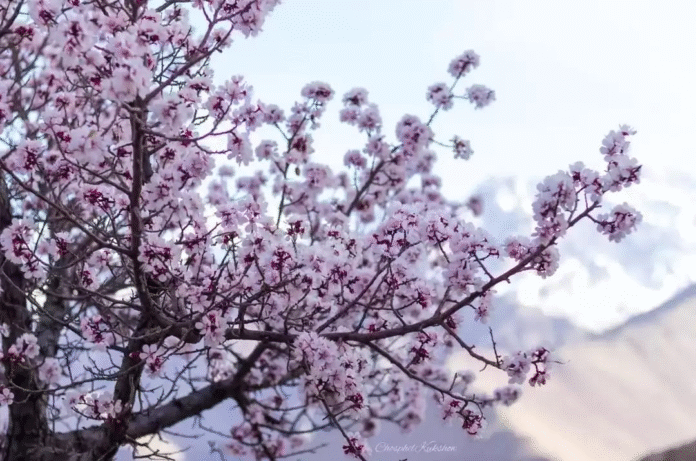
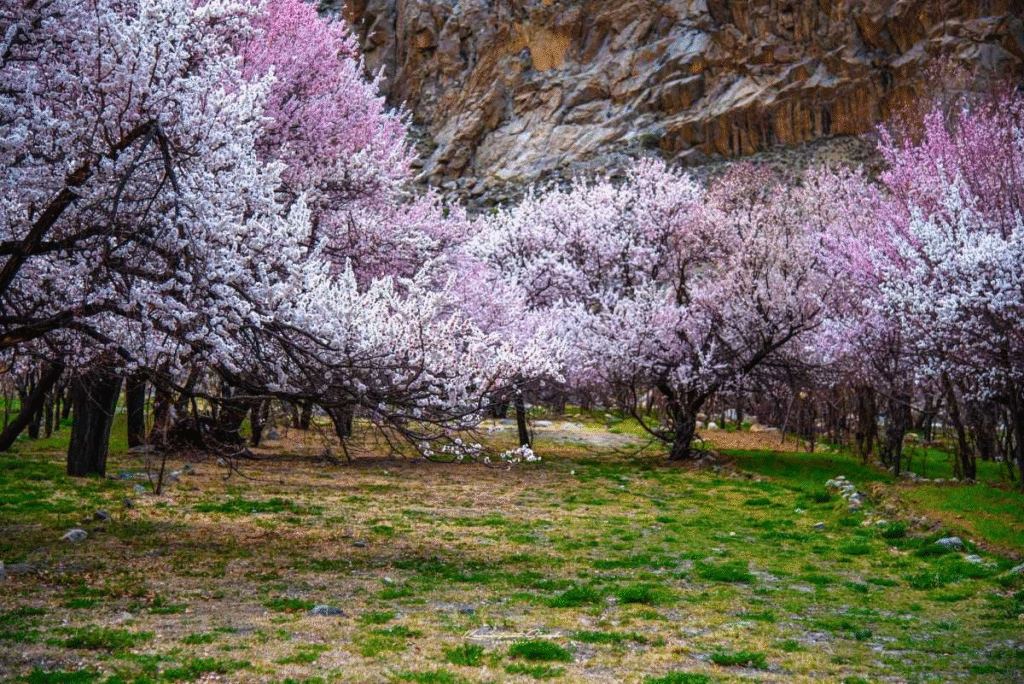
Imagine snow-kissed Himalayan peaks standing guard over a sea of soft pink and white blossoms. For a few precious weeks every spring, the rugged, high-altitude desert of Ladakh transforms into a surreal, pastel dreamscape as if the mountains themselves have awakened in bloom. This is not Japan’s famous cherry blossom season, but something even rarer and more intimate: Ladakh’s Apricot Blossom Festival, locally known as Chuli Mendok or Chuli Namchot.

A Surreal Himalayan Spring while most travellers picture Ladakh as a barren “moonscape” of brown mountains and frozen lakes, early spring reveals its hidden softer side. Between late March and mid-April, apricot orchards in the lower-altitude valleys burst into delicate pink and white flowers. The contrast is breathtaking – tender pastel petals dancing against jagged, snow-dusted peaks under a crisp blue sky. This fleeting “pink spring” turns quiet villages into living canvases. The usual harsh terrain softens, and a peaceful, almost meditative vibe takes over before the busy summer tourist season begins in May-June.

Apricot Blossom Festival 2026: Dates and Moving Celebration. The official Apricot Blossom Festival 2026 will be held from April 8 to April 16. Unlike conventional festivals fixed in one spot, this event travels across different villages in the Leh and Kargil districts, following the peak bloom as it progresses.

When Flowers Awaken the Mountains: Ladakh's Magical Apricot Blossom Festival

Key highlights from the 2026 schedule include: April 8 – Garkone (Kargil), April 9 – Dha Bema (Leh), April 10 – Darchiks (Kargil), April 12 – Karkitchoo (Kargil), April 13 – Turtuk (Leh), April 14 – Tyakshi (Leh), April 15 – Minjee (Kargil), April 16 – Tyger (Leh).

The festival offers far more than just pretty flowers. It’s a deep dive into local life:Cultural Immersion – Traditional Ladakhi folk dances, music, and performances in village courtyards. Local Flavors – Sample fresh apricot juices, jams, dried fruits, and kernel oil. Don’t miss the world-renowned Raktsey Karpo (white-seeded apricot), famous for its exceptional sweetness.
Browse stalls with handmade woollen products, traditional Ladakhi jewellery, and local artisan goods. Photography Paradise – Capture the ephemeral blooms against dramatic mountain backdrops. Early mornings and golden hour provide the most magical light.

Popular blooming villages include Turtuk, Tyakshi, Dah, Hanu (Aryan Valley), Garkone, Darchiks, Alchi, Domkhar, Sumoor, Wanla, and others along the Indus Valley and Nubra region. Apricots (locally called Chuli) are not native to Ladakh. They were introduced centuries ago via the ancient Silk Route by traders from Central Asia, Persia, and China. In this harsh “rain shadow” desert, where little else grows, the apricot became a true “Tree of Hope” resilient to extreme cold and altitude.

Every part of the tree is cherished Fruit for food and trade. Seeds for oil (used in cooking, medicine, and monastery lamps). Wood for fuel and beautiful carvings Ladakh is home to over 30 varieties. The Raktsey Karpo, discovered relatively recently and granted a Geographical Indication (GI) tag in 2022, stands out as one of the sweetest apricots in the world. In the Aryan Valley (Dha-Hanu villages), home to the Dard tribe believed to descend from ancient Aryan lineages or Alexander the Great’s army, the apricot bloom holds special cultural significance.

The Heart of Ladakh: The Apricot Tree apricots (locally called Chuli) are not native to Ladakh. They were introduced centuries ago via the ancient Silk Route by traders from Central Asia, Persia, and China. In this harsh “rain shadow” desert, where little else grows, the apricot became a true “Tree of Hope” resilient to extreme cold and altitude.

Every part of the tree is cherished fruit for food and trade seeds for oil (used in cooking, medicine, and monastery lamps). Wood for fuel and beautiful carvings Ladakh is home to over 30 varieties. The Raktsey Karpo, discovered relatively recently and granted a Geographical Indication (GI) tag in 2022, stands out as one of the sweetest apricots in the world.

In the Aryan Valley (Dha-Hanu villages), home to the Dard tribe believed to descend from ancient Aryan lineages or Alexander the Great’s army, the apricot bloom holds special cultural significance.

Rainbow Day: From Symbolism to Science Behind Nature’s Most Beautiful Arc

0

Observed every year on April 3, Rainbow Day is a light-hearted yet meaningful occasion dedicated to celebrating one of nature’s most captivating phenomena—the rainbow. While it is not an official global holiday, the day has gained popularity through educational initiatives and social media, encouraging people, especially students, to appreciate both the beauty and the science behind rainbows.

Rainbow Day is often used as an opportunity to spark curiosity among children and learners, blending art, mythology, and science. It reminds us to pause and admire the natural world, while also understanding the principles that govern it.

What Is a Rainbow?🌈

A rainbow is an optical and meteorological phenomenon that appears as a multicoloured arc in the sky, typically seen when sunlight shines through raindrops. The classic rainbow displays seven colours—violet, indigo, blue, green, yellow, orange, and red—often remembered by the acronym VIBGYOR.

Though it looks like a solid arc, a rainbow is actually the result of countless tiny water droplets acting like miniature prisms, bending and splitting sunlight into its component colours.

Why and How Is a Rainbow Formed?

Rainbow Day: From Symbolism to Science Behind Nature’s Most Beautiful Arc

The formation of a rainbow is explained by the scientific concept of dispersion of light, combined with refraction and reflection.

When sunlight enters a raindrop, three key processes occur:
●Refraction: The light bends as it enters the water droplet because it slows down.
●Dispersion: Different wavelengths of light bend at slightly different angles, separating into various colours.
●Reflection: The light reflects off the inside surface of the droplet.
●Refraction again: As the light exits the droplet, it bends once more, further spreading out into a spectrum.

This entire process causes the sunlight to split into its constituent colours, creating the arc we see in the sky.

A rainbow is always formed in the part of the sky opposite the Sun, which is why you typically see it when the Sun is behind you and rain is falling in front of you.

More Than Just Beauty

Beyond its scientific explanation, the rainbow has held cultural and symbolic meaning across civilizations—often seen as a bridge between worlds, a sign of hope, or a promise of brighter days.

Rainbow Day is a reminder of how science and beauty coexist in nature. From its modern observance to the fascinating physics behind its formation, the rainbow continues to inspire curiosity and wonder across generations.

Ramayana Teaser Sparks Buzz: Grand Vision Meets Mixed Reactions

0

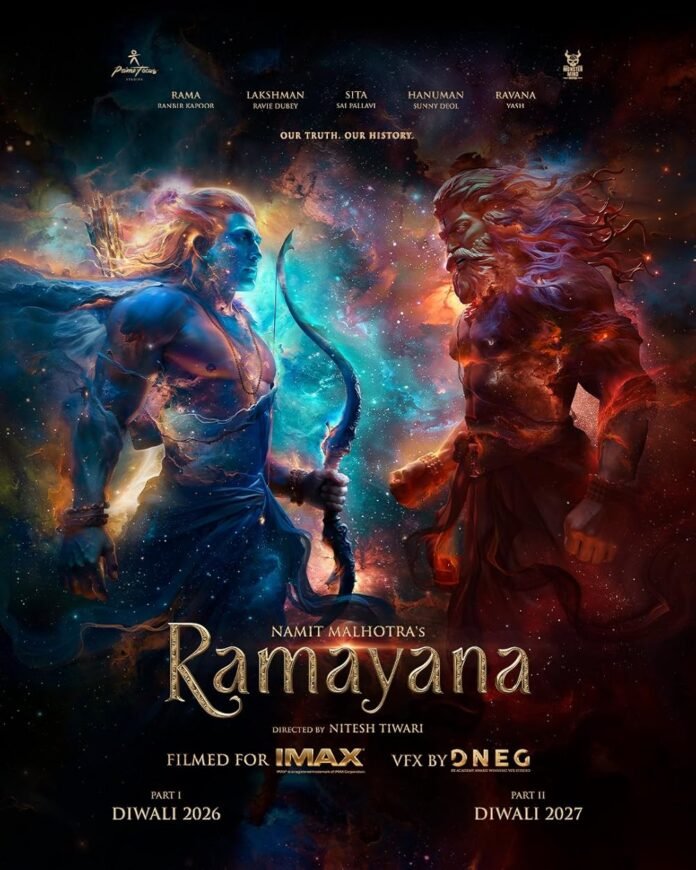
The much-anticipated teaser of Ramayana, directed by Nitesh Tiwari, has finally been unveiled, offering audiences their first glimpse into one of Indian cinema’s most ambitious mythological projects. Released on April 2, 2026, on the occasion of Hanuman Jayanti, the teaser marks a significant moment for a film that has been in the making for several years.

Produced by Namit Malhotra under Prime Focus Studios, the film is envisioned as a two-part epic mounted on a massive scale, with cutting-edge visual effects by DNEG. The ensemble cast is led by Ranbir Kapoor as Lord Ram, Sai Pallavi as Sita, and Yash as Ravana. Supporting roles include Sunny Deol as Hanuman, Ravi Dubey as Lakshman, and Arun Govil as Dashrath.

The teaser, running over two minutes, highlights the film’s grand scale with sweeping visuals, dramatic character introductions, and a powerful background score. It focuses on the emotional and moral journey of Ram, emphasizing themes of duty, sacrifice, and righteousness. The cinematic scale and ambition have been widely praised, with many calling it a “visual spectacle” that aims to set new benchmarks for Indian filmmaking.

However, the response has not been uniformly positive. The teaser has sparked mixed reactions across audiences and social media. While some viewers appreciated the scale, performances, and intent, others expressed concerns over heavy use of CGI, perceived lack of emotional depth, and even questioned casting choices. Some reactions described it as “underwhelming” or “too VFX-driven,” while others felt it might “grow on audiences over time.”

Interestingly, industry voices and veterans have also weighed in. While filmmaker Siddharth Anand praised the teaser as “spectacular,” others hinted at disappointment, reflecting the high expectations attached to such a culturally significant story.

Despite the divided opinions, one thing is clear—the teaser has successfully ignited conversation and anticipation. With Ramayana: Part 1 slated for a grand Diwali 2026 release, the film is already being seen as a defining moment for mythological storytelling in modern Indian cinema.

As excitement builds, the teaser has done its job: it has not only introduced a grand cinematic vision but also sparked debate, curiosity, and expectations—ensuring that all eyes remain on Ramayana in the months ahead.

Celebrating the Legacy of Field Marshal Sam Manekshaw on His 112th Birth Anniversary

0

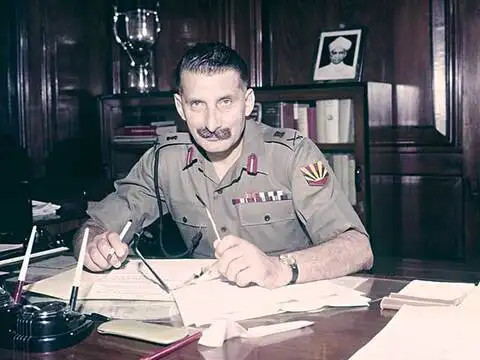
On the birth anniversary of Sam Manekshaw, India pays tribute to one of its most iconic military leaders—fondly known as “Sam Bahadur.” Born on April 3, 1914, in Amritsar , his life remains a powerful story of courage, wit, and unwavering commitment to the nation.

A Soldier of Exceptional Calibre

Commissioned into the British Indian Army in 1934, Manekshaw’s distinguished career spanned over four decades. From the battlefields of World War II to the challenges of post-independence India, he demonstrated remarkable bravery and leadership. During the Burma campaign, he was awarded the Military Cross for gallantry—an early testament to his fearless spirit under fire.

Architect of India’s 1971 Victory

His defining moment came during the Indo-Pakistani War of 1971, when he served as Chief of Army Staff. Under his leadership, India secured a historic victory in just 13 days, leading to the creation of Bangladesh. The surrender of over 90,000 Pakistani troops marked one of the most decisive military outcomes in modern history.

Equally significant was his strategic foresight. When then Prime Minister Indira Gandhi considered immediate military action, Manekshaw advised waiting until the armed forces were fully prepared. His calm confidence and insistence on readiness ultimately ensured a swift and successful campaign.

Honours and Recognition

In recognition of his extraordinary service, Sam Manekshaw was conferred some of India’s highest honours. He received the Padma Bhushan in 1968 and the Padma Vibhushan in 1972, acknowledging both his distinguished military career and his pivotal role in shaping India’s defence success.

In 1973, he was elevated to the rank of Field Marshal—the first officer in India to receive this prestigious five-star rank, symbolising the highest level of military honour and respect.

An Enduring Legacy

Field Marshal Manekshaw’s legacy extends far beyond his wartime achievements. Known for his sharp intellect, integrity, and sense of humour, he inspired generations of soldiers and leaders. His ability to lead with clarity, courage, and conviction continues to serve as a benchmark in both military and public life.

As India commemorates his 112th birth anniversary, the nation remembers not just a brilliant strategist, but a leader who embodied the very essence of duty, honour, and patriotism.

Good Friday: Remembering the Crucifixion of Jesus Christ

0

Observed with deep reverence across the world, Good Friday marks the crucifixion and death of Jesus Christ —an event central to Christian faith and theology. Falling during Holy Week, just two days before Easter Sunday, it is a day of mourning, reflection, and profound spiritual significance.

The historical roots of Good Friday trace back nearly 2,000 years to the Roman province of Judea (modern-day Israel/Palestine). According to the New Testament, Jesus was arrested after the Last Supper, tried before the Roman governor Pontius Pilate, and ultimately sentenced to death by crucifixion—a common Roman method of execution for criminals and rebels. He was crucified at Golgotha, meaning “place of the skull,” and died after hours of suffering on the cross. These events are collectively known as the “Passion of Christ,” a cornerstone of Christian teachings.

Despite its somber nature, the day is called “Good” because Christians believe that Jesus’s sacrifice was an act of divine love that brought redemption to humanity. His death is seen as atonement for human sins, opening the path to salvation and eternal life. This belief gives Good Friday a deeper meaning beyond grief—it becomes a message of hope, forgiveness, and renewal.

Across the world, including in India, Good Friday is observed through fasting, prayer, and solemn church services. Many congregations hold special liturgies featuring readings from the Passion narrative, veneration of the cross, and periods of silence. In some regions, devotees participate in processions or reenactments of the crucifixion, making the historical event feel immediate and deeply personal.

Factually, Good Friday is always observed on the Friday before Easter, and its date varies each year according to the lunar calendar used to determine Easter. It is part of the Paschal Triduum—the three-day period that includes Maundy Thursday, Good Friday, and Holy Saturday—considered the most sacred time in the Christian liturgical year.

Ultimately, Good Friday stands as a powerful reminder of sacrifice, compassion, and unwavering faith. It teaches that even in suffering, there is purpose—and that from darkness can emerge the promise of light.

Water, What-A-Woe…!

0

Water, What-A Wow! Now imagine why a writer has to write this line? Let’s get into detail…We recently celebrated World Water Day on 22 March 2026, let’s look at how we fare in ‪ Rajasthan and how potentially water will impact lives, governance,‪electorates and voting patterns in the near future.

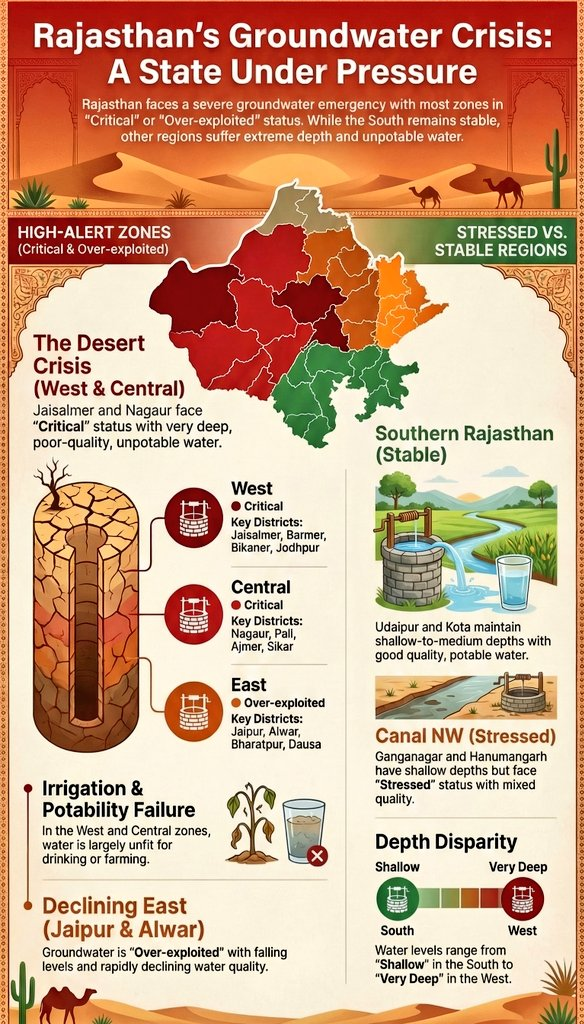
Rajasthan’s groundwater story is sharply divided zone-wise. In Western Rajasthan (Jaisalmer, Barmer, Bikaner,Jodhpur), water availability is extremely low, stored deep and often fossil innature; quality is poor due to salinity and fluoride, making it largely unfit for drinking or irrigation. In contrast, the canal-fed North-West(Ganganagar, Hanumangarh) has relatively better availability due to Indira Gandhi Canal recharge, but faces water logging and salinity from over-irrigation. Here, the issue is not scarcity but inefficient use.

Eastern Rajasthan (Jaipur, Alwar, Karauli, Bharatpur, Dausa) has moderate groundwater availability but is heavily over-exploited due to intensive agriculture and urban demand. Water quality is deteriorating with fluoride and nitrate contamination (making bones extremely brittle). South Rajasthan (Udaipur, Banswara, Dungarpur, Kota) remains relatively better with moderate recharge and good quality water,though aquifers are shallow and fragile. Meanwhile, Central Rajasthan (Nagaur, Pali, Ajmer, Sikar) faces severe depletion and poor quality due to fluorideand industrial pollution, making both drinking and irrigation increasingly difficult.

Water, What-A-Woe...!

The solution lies in a combined strategy:reduce demand by shifting to low-water crops and reforming power subsidies; massively scale ‪recharge through traditional and modern structures; improve irrigation efficiency via drip and sprinkler systems; shift drinking water dependence toward surface sources like canals and dams; address quality through treatment and blending; and enforce governance reforms such as restricting bore-wells in dark zones and adopting aquifer-based planning.  Without these steps, Rajasthan risks a full-scale water and agricultural crisis within the next decade.

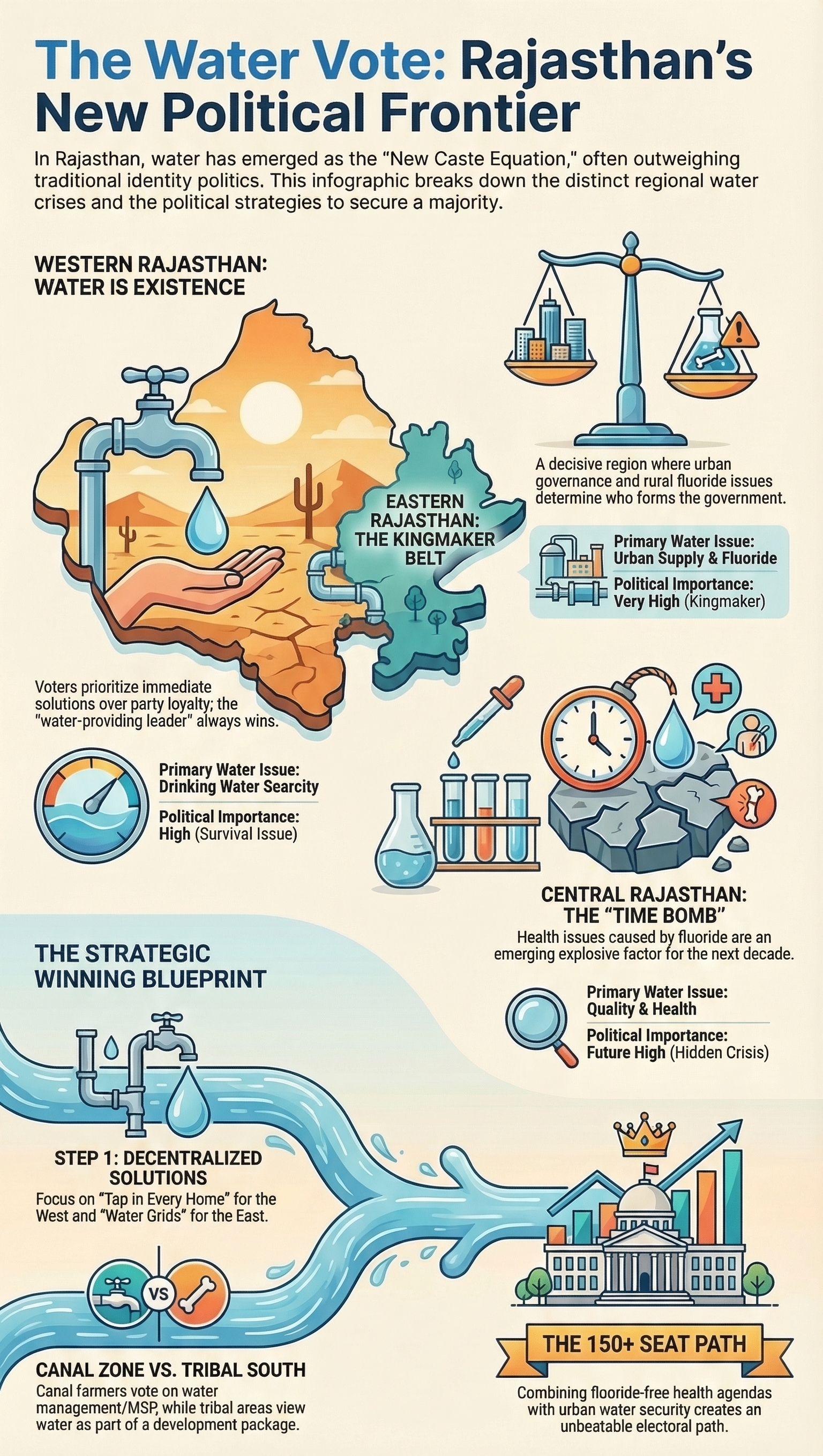
Rising water crisis is emerging as a decisive political issue in Rajasthan, increasingly shaping voting behaviour beyond caste and party lines. In water-stressed regions, voters are prioritizing reliable drinking water and irrigation, rewarding leaders who deliver visible solutions and punishing those who fail.

As groundwater declines and shortages intensify, water security is directly influencing ‪farmer sentiment,‪ urban satisfaction and overall electoral outcomes, making it a key factor in government formation, hence would it not be a prudent decision to task the locals MLA’s / MP’s with groundwater recharge targets for their individual constituencies to be monitored with exemplary efficiency with a quarterly performance report for the world to see and judge efficiency on deliverables –  Doable Yes, Achievable Yes, Actionable Yes – if only the gumption to do the right thing persists.

It seems Water Wars are here for good, and those who know how to cure politically parched throats may eventually end upquenching their thirst for votes and governance, after all even a 7th standard child knows 70% of all body is water.

My final take – Water is evolving into a“universal issue” in Rajasthan that can override identity politics, intensifyanti-incumbency, and reward governance-driven campaigns and at the end of itall determine how our progeny will live – parched or satiated !

Water, What-A-Woe...!

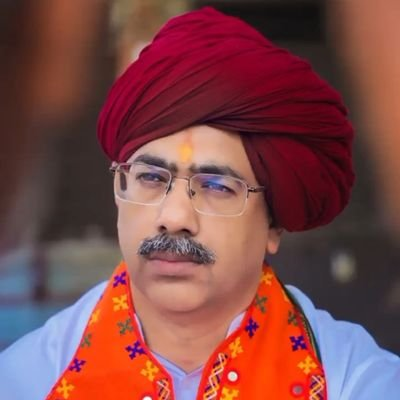
(The writer is Vijay Singh Bainsla, President – Gurjar Aarakshan Sangharsh Samiti, BJP MLA Candidate, Corporate CXO, Driving ‘Socio-Political’ Change)