

PC:(Zee business)
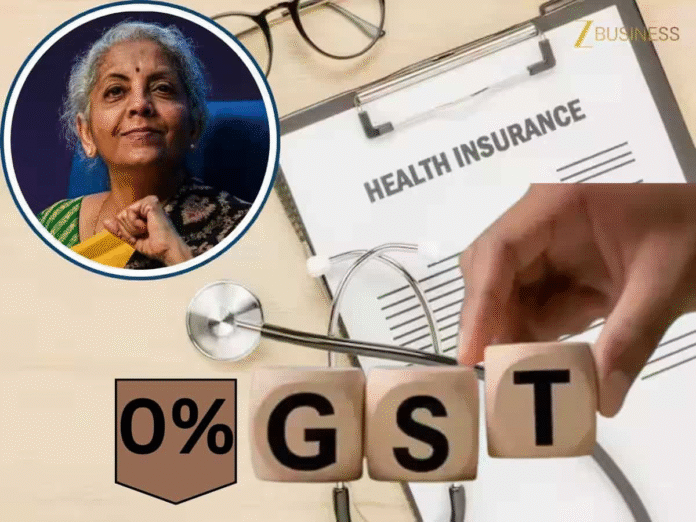
In a landmark decision, the GST Council of India, during its 56th meeting on September 3, 2025, announced the removal of Goods and Services Tax (GST) on essential goods and services, effective from September 22, 2025. This move, aimed at easing the financial burden on the middle class, low-income groups, farmers, laborers, and small traders, eliminates GST on critical sectors like education, healthcare, and daily essentials. By setting a 0% GST rate on items such as life-saving medicines, health insurance, and educational materials, the government is set to make these necessities more affordable, driving down costs and providing significant relief to millions.
Key Changes in GST Rates
The GST Council’s decision introduces sweeping changes to the tax structure, targeting affordability and accessibility. Here’s a breakdown of the major updates:
Healthcare: The 18% GST on all individual life and health insurance policies has been eliminated, making insurance more accessible. Additionally, 36 life-saving and critical illness medicines, including drugs like Agalsidase Beta, Imiglucerase, and Eptacog Alfa, are now tax-free, previously taxed at 5% or 12%.
Education: GST has been removed from educational materials such as exercise books, notebooks, maps, charts, pencils, crayons, pastels, chalk, and erasers. Private tuition, coaching centers up to Class 12, vocational training institutes, and skill development courses are also exempt from the previous 18% GST.
Food and Essentials: Everyday items like roti, chapati, khakhra, paratha, parotta, ultra-high temperature (UHT) milk, paneer (pre-packaged and labeled), and pizza bread now carry 0% GST, down from 5% or 18%.
Other Goods: Glass bangles (without gold or silver), uncoated paper and paperboard for notebooks, and charitable hospital and trust services in health and education are now tax-free, previously taxed at 12%.
Reduced GST Rates: Daily-use items have been shifted to a 5% GST slab, while products like air conditioners, televisions, small cars, and certain electronic devices now attract an 18% GST rate.
Impact on the Common Man
This bold initiative by the Modi government is poised to bring significant relief to the masses. By removing GST on essential goods and services, the prices of food items, life-saving medicines, and educational materials are expected to drop, making them more affordable for farmers, laborers, and small traders who often bear the brunt of inflation. The zero GST policy on health insurance and critical medicines will particularly benefit those reliant on costly treatments, while tax exemptions on educational services and materials will ease the financial strain on students and families.
A Step Toward Inclusive Growth
The decision to eliminate GST on these essentials reflects the government’s commitment to inclusive growth. By reducing the cost of living for low- and middle-income households, this reform is expected to boost purchasing power and stimulate economic activity. The export of these benefits is already visible, with farmers and small traders likely to gain from reduced financial pressures, enabling them to invest in their livelihoods.
A New Era of Affordability
The zero GST policy, effective from September 22, 2025, marks a transformative step in making essential goods and services accessible to all. From life-saving medicines to educational resources and daily food items, this reform promises to alleviate the burden of taxes on the common man. As India moves toward a more equitable economic landscape, this decision underscores the government’s focus on empowering its citizens, particularly the most vulnerable, by ensuring affordability and accessibility in critical sectors.