

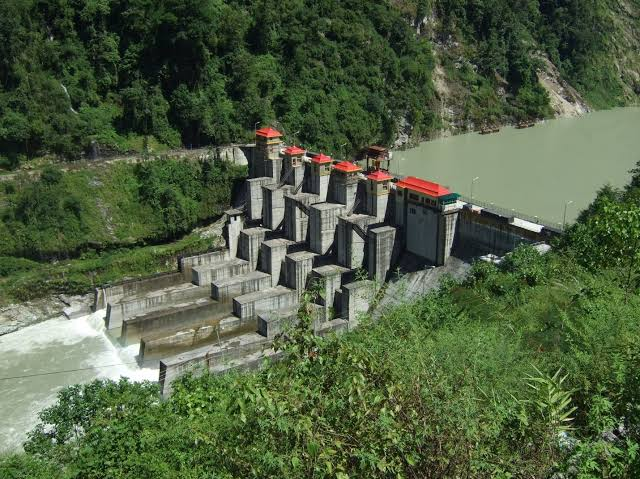
The Teesta River Comprehensive Management and Restoration Project is a major river management initiative in Bangladesh. It includes dredging, embankment construction, land reclamation, and road infrastructure development. The project was discussed between Bangladesh and China during Bangladesh Prime Minister Tarique Rahman’s visit to Beijing from 24–26 June 2026.
Teesta River and Its Course
The Teesta River is a transboundary river that flows through India and Bangladesh as part of the eastern Himalayan river system. Water sharing and management of the river have remained key subjects of bilateral discussions between the two countries for many years.
Project Components
The proposed project involves dredging 140 million cubic metres of sediment from the river and reclaiming 171 square kilometres of land. It also includes the repair of 110 kilometres of existing embankments, construction of 124 kilometres of new embankments, development of a 224-kilometre road network, and the construction of 82 jetty facilities.
China-Bangladesh Cooperation
China has stated that its cooperation with Bangladesh on the Teesta project is not directed against any third country. It also emphasized that the partnership should remain free from external influence. As part of the collaboration, China has offered to share its expertise in water resource management and provide training for Bangladeshi officials and water management professionals.
Important Facts
- The Teesta River Comprehensive Management and Restoration Project was first associated with a Memorandum of Understanding (MoU) signed in 2016.
- An extension of the agreement was signed in January 2026 under the interim government led by Prof. Mohammed Yunus.
- On 25 June 2026, Bangladesh and China agreed to strengthen cooperation on the Teesta River and other river systems.
- In 2024, India offered technical and conservation support for the Teesta River basin.
Teesta River
The Teesta River originates in the eastern Himalayas and flows through the Indian states of Sikkim and West Bengal before entering Bangladesh. It is a transboundary river, meaning it flows across one or more international borders.