

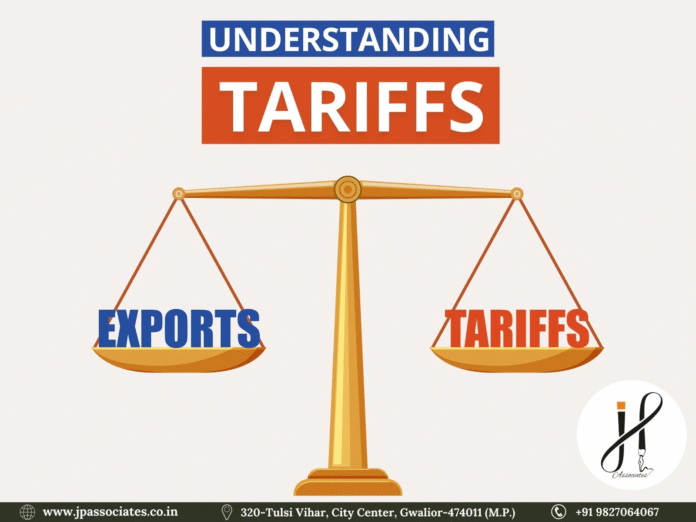
PC: (AI Jazeera, J.P.Associates)
Immediate Relief for Importers
In a significant development for US trade policy, the US Customs and Border Protection (CBP) has announced it will cease collecting duties on imports that were imposed under the International Emergency Economic Powers Act (IEEPA) – tariffs the Supreme Court ruled illegal last week. The change takes effect at 12:01 a.m. Eastern Time (0501 GMT) on Tuesday, February 24, 2026. From that point onward, duties tied to several of President Donald Trump’s executive orders will no longer apply to goods entered for consumption or withdrawn from warehouse.
Why Duties Continued Over the Weekend
Despite the ruling, importers continued paying these duties over the weekend because CBP had not yet updated its Cargo Systems Messaging Service to reflect the change.
Supreme Court Ruling Details
This follows the Supreme Court’s 6-3 decision on Friday, February 20, 2026, in the consolidated cases Learning Resources, Inc. v. Trump and Trump v. V.O.S. Selections, Inc.. The Court held that IEEPA does not authorize the President to impose tariffs, affirming that such authority resides with Congress under Article I, Section 8 of the Constitution. Chief Justice John Roberts, writing for the majority (joined by Justices Sotomayor, Kagan, Gorsuch, Barrett, and Jackson in key parts), emphasized that IEEPA’S language allowing the President to “regulate … importation” during national emergencies falls short of granting broad tariff powers.
Affected Executive Orders and Tariffs
The affected tariffs stem from the following presidential actions (including modifications and amendments):
Executive Order 14193: Imposing Duties To Address the Flow of Illicit Drugs Across Our Northern Border (Feb. 1, 2025) Executive Order 14194: Imposing Duties To Address the Situation at Our Southern Border (Feb. 1, 2025). Executive Order 14195: Imposing Duties To Address the Synthetic Opioid Supply Chain in the People’s Republic of China (Feb. 1, 2025). Executive Order 14245: Imposing Tariffs on Countries Importing Venezuelan Oil (Mar. 24, 2025).
Executive Order 14257: Regulating Imports With a Reciprocal Tariff To Rectify Trade Practices That Contribute to Large and Persistent Annual United States Goods Trade Deficits (Apr. 2, 2025) often referred to as the “reciprocal” tariffs. Executive Order 14323: Addressing Threats to the United States by the Government of Brazil (July 30, 2025). Executive Order 14329: Addressing Threats to the United States by the Government of the Russian Federation (Aug. 6, 2025) These measures included duties such as 25% on many imports from Canada and Mexico, 10% on Chinese goods (related to drug trafficking and borders), and baseline reciprocal tariffs of at least 10% (with higher rates for certain nations) to address trade deficits.
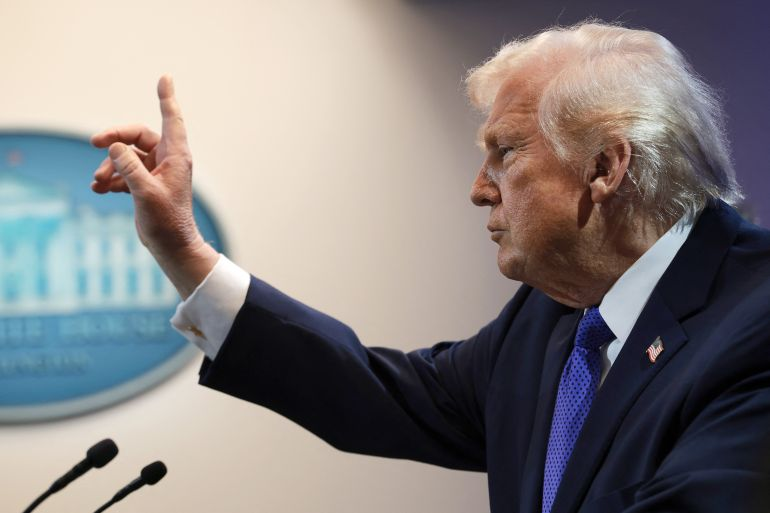
Potential Refunds and Financial Impact & Scope of the Change
The ruling invalidated these IEEPA-based tariffs, potentially opening the door to refunds for billions in duties already collected estimates from sources like the Penn Wharton Budget Model suggest up to $175 billion could be subject to refund claims, though the Court did not mandate immediate refunds or address the process directly. CBP’s statement clarifies that only IEEPA-imposed duties are affected; other tariffs (e.g., under Sections 232 or 301) remain in place.
Trump’s Response and Next Steps
In response to the Supreme Court’s decision, President Trump announced plans for a new global tariff (initially 10%, later adjusted in reports to 15%) under alternative statutory authority, such as Section 122 of the Trade Act of 1974, effective from February 24. However, this new measure is separate and not impacted by the IEEPA ruling.
Broader Implications
The development marks a major setback for a key element of President Trump’s second-term trade agenda, while providing immediate relief to importers and raising questions about future trade negotiations, potential refunds, and the administration’s next steps in addressing trade imbalances. Importers should monitor further CBP guidance on compliance and any refund procedures.