

PC(WSJ)
Dramatic Volatility in Global Energy Markets as Geopolitical Tensions Ease Slightly
West Texas Intermediate (WTI) crude oil futures experienced extreme turbulence, plunging as much as 10% to $85.02 per barrel on Tuesday. This sharp drop followed a dramatic surge earlier in the week, with prices briefly crossing $115 per barrel on Monday. The intraday trading range spanned an astonishing -$38 – the widest since the chaotic days of the 2020 pandemic, when oil prices infamously turned negative for a brief period.
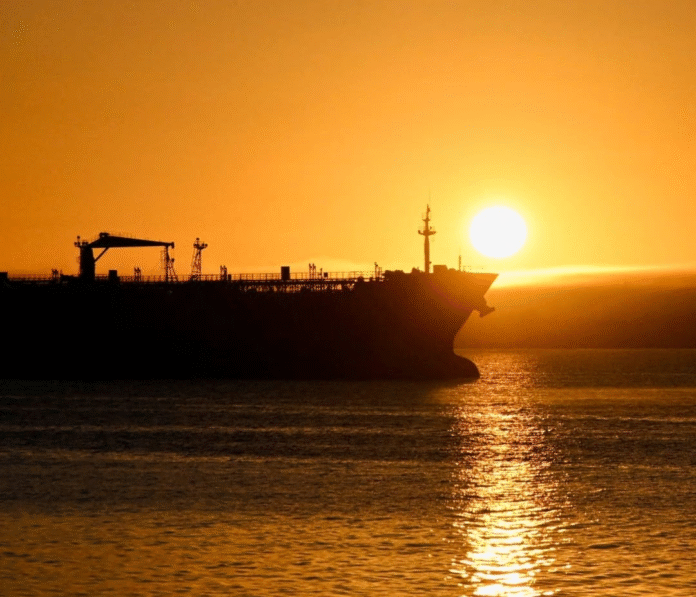
The wild swings stem directly from the ongoing war involving Iran, which has severely disrupted oil flows through the Strait of Hormuz – the critical chokepoint carrying roughly 20% of the world’s oil supply. Uncertainty persists over whether tankers are safely transiting the strait, prompting major Gulf producers like Saudi Arabia to curtail output due to overflowing storage facilities. The conflict has rippled beyond crude, driving up prices for natural gas, gasoil, and other energy products. In the US, retail gasoline prices have climbed to their highest levels since August 2024, adding pressure on consumers and raising inflation concerns.
Trump Outlines Plan to Stabilize Prices
In a news conference held in Florida, President Donald Trump announced steps aimed at cooling the overheated market. He stated plans to waive certain oil-related sanctions and deploy the US Navy to escort tankers through the Strait of Hormuz.
“We’re looking to keep the oil prices down,” Trump said. “They went artificially up because of this excursion.” Trump revealed he had discussed the matter in a phone call with Russian President Vladimir Putin earlier on Monday but provided no further specifics on the sanctions relief or escort operations.
G7 Monitors Situation, Holds Off on Emergency Reserves
Oil prices began retreating during Monday’s session after the Financial Times reported that the G7 nations were convening to consider releasing emergency strategic reserves. However, France – the current G7 president – clarified that the group is “not there yet” on agreeing to such a move, though members are closely watching energy market developments.
The G7 finance ministers, in coordination with the International Energy Agency, have indicated readiness to take “necessary measures” to support global energy supplies, including potential stockpile releases, but emphasized the need for more analysis before acting.
As the situation in the Middle East remains fluid, markets continue to react to every signal of de-escalation or prolonged disruption. Trump’s comments and the prospect of restored tanker flows have provided some relief, but analysts warn that sustained clarity on the strait and broader conflict resolution will be key to stabilizing prices.