

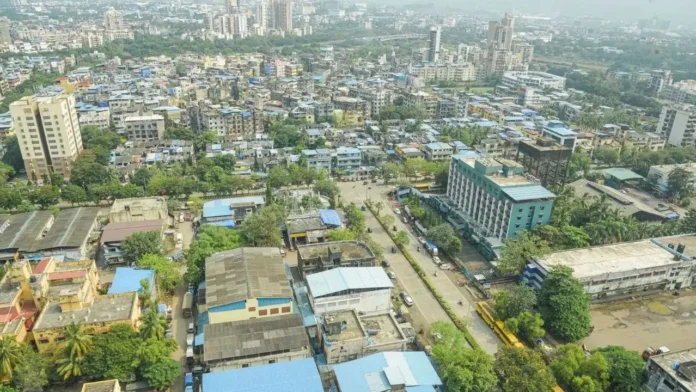
Navi Mumbai has secured the top position in the Super Swachh League category of the Swachh Survekshan Awards 2025–26, marking a significant achievement in India’s urban cleanliness journey. The city was followed by Surat in Gujarat and Vijayawada in Andhra Pradesh, which secured the second and third positions, respectively. The results were announced at the 10th edition of the annual cleanliness survey, with President Droupadi Murmu presenting the awards at a ceremony held at Vigyan Bhawan in New Delhi on November 11, 2026.
The recognition marks a major shift in the country’s cleanliness rankings, as Navi Mumbai has taken the top position in the Super Swachh League, ending Indore’s eight consecutive years at the top of the national cleanliness rankings. Indore, which had maintained its position as India’s cleanest city for eight successive years, competed in a separate category this year. It secured the second position in the Swachh Shehar Jodi category alongside its mentee city, Depalpur, while Ahmedabad and Sanand emerged as the top-performing mentor-mentee pair.
The award was received by Navi Mumbai Municipal Corporation Commissioner Kailas Shinde and Mayor Sujata Patil. The achievement reflects the city’s sustained efforts towards improving sanitation, waste management and public cleanliness, along with the participation of civic authorities, sanitation workers and residents.
The Super Swachh League is a special category introduced to recognise cities that have consistently performed well in previous editions of Swachh Survekshan. Rather than placing these cities in the regular competitive rankings, the league provides a separate platform to assess and acknowledge their continued commitment to cleanliness and urban sanitation.
The 2025–26 edition of Swachh Survekshan, conducted by the Ministry of Housing and Urban Affairs under the Swachh Bharat Mission-Urban, covered 4,751 urban local bodies across the country. More than 3,000 trained assessors conducted extensive on-ground evaluations, examining cities on 43 indicators across areas such as waste segregation, door-to-door collection, solid waste management, public sanitation, visible cleanliness, used-water management, citizen feedback and the welfare of sanitation workers. The survey also incorporated GPS-enabled monitoring and a digital assessment framework to strengthen transparency and accountability.
This year’s edition introduced additional recognition for Swachh River Front Towns, Swachh Coastal Towns and Clean Himalayan Cities, expanding the scope of urban cleanliness assessments. Rewa in Madhya Pradesh was recognised as the cleanest riverfront town, while Puri in Odisha topped the coastal town category. Rudrapur in Uttarakhand emerged as the leading Clean Himalayan City. In the regular million-plus population category, Visakhapatnam secured the first position, followed by Jabalpur and Lucknow.
The survey also recorded significant public participation, with approximately 2.70 crore citizens providing feedback. According to the Ministry, more than 1,700 smaller urban local bodies improved their rankings compared with the previous edition, while over 350 cities registered improvements of more than 500 positions.
Navi Mumbai’s achievement highlights the importance of sustained civic efforts, effective waste management systems and public participation in maintaining urban cleanliness. The changing rankings also demonstrate that the Swachh Survekshan initiative is not merely about securing a position on a national list but about encouraging cities to continuously improve sanitation standards and create healthier living environments.
As Indian cities continue to compete and learn from one another, the latest results reinforce an important message: cleanliness is a shared responsibility that requires consistent efforts from municipal authorities, sanitation workers and citizens alike.