

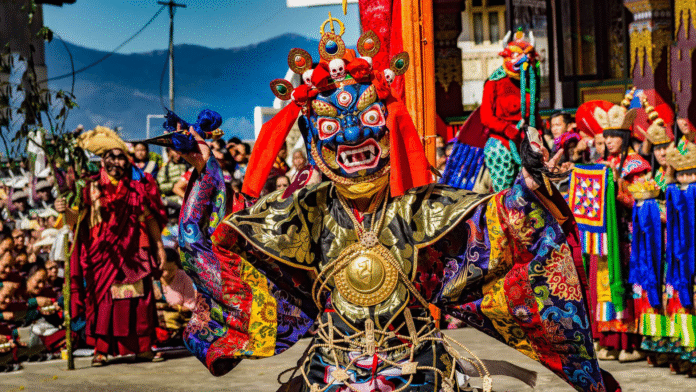
Sikkim recently celebrated Tendong Lho Rum Faat, a centuries-old festival of the Lepcha tribe, honouring the legend of Tendong Hill that saved their ancestors from an ancient flood. The state-level celebration, held at Manan Kendra in Gangtok, was attended by Chief Minister Prem Singh Tamang, who urged citizens to respect nature and protect Sikkim’s environment. The festival remains a vibrant reminder of the Lepcha community’s deep spiritual bond with nature and their rich cultural heritage.
Mythological Origins
According to Lepcha oral tradition, a catastrophic flood once engulfed their land, threatening to wipe out their people. Tendong Hill rose above the waters, offering refuge to the survivors. Believed to have volcanic origins, the hill is tied to a legend in which it emerged from the horns of a divine being, symbolising divine protection. This story underscores the Lepchas’ deep reverence for their natural surroundings.
Cultural and Spiritual Significance
Tendong Hill, meaning “The Hill of the Raised Horn” in the Lepcha language, is considered sacred. The Lepcha community gathers at and around the hill during the festival to offer prayers to Idburum, their god, and honour the landmark that ensured their survival. The celebration serves as both a thanksgiving ritual and a reaffirmation of their cultural identity.
Rituals and Celebrations
During Tendong Lho Rum Faat, Lepcha families build miniature models of Tendong Hill using nine stones outside their homes. Traditional dances, mask performances, folk songs, and heritage exhibitions highlight the festival’s cultural richness. These rituals not only preserve ancient traditions but also strengthen community bonds across generations.
Environmental Message
The festival carries a strong ecological message, reminding people of nature’s role in human survival. Chief Minister Tamang’s address emphasised safeguarding Sikkim’s natural resources, aligning with the Lepcha belief that harmony with nature ensures prosperity.
Geographical and Cultural Context
Located in South Sikkim, Tendong Hill remains a sacred site for the Lepcha people. Today, the festival attracts participation from cultural groups, government officials, and local communities, showcasing the unique traditions of Sikkim’s indigenous heritage.