

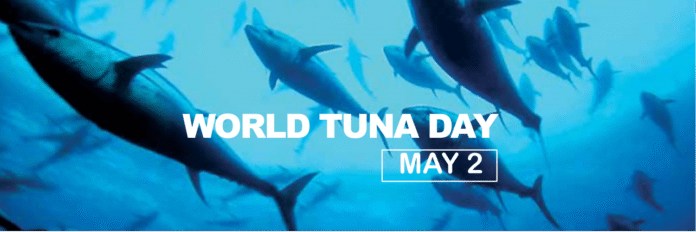
Every year on May 2, the world comes together to observe World Tuna Day, an international occasion dedicated to raising awareness about the importance of tuna and the urgent need to protect it. Established by the United Nations General Assembly in 2016 and first observed in 2017, the day highlights the ecological, economic, and nutritional value of one of the most widely consumed fish species in the world.
Tuna is far more than just a staple on dining tables. It plays a critical role in global food security, providing a vital source of protein for millions of people. Economically, it is equally significant. Tuna species account for nearly 20 percent of the value of global marine capture fisheries and more than 8 percent of internationally traded seafood, supporting livelihoods across coastal and island communities.
However, this immense demand has also placed tuna populations under pressure. Overfishing, illegal fishing practices, and climate-related changes in ocean ecosystems have raised concerns about the long-term sustainability of tuna stocks. Recognizing these threats, World Tuna Day serves as a global call to action to promote responsible fishing practices and strengthen international cooperation in managing marine resources.
Encouragingly, progress has been made in recent years. A growing share of tuna is now sourced from sustainably managed fisheries, with over 90 percent of tuna catches coming from stocks that are not overfished. This marks a significant improvement from earlier years and demonstrates that collective global efforts can yield positive results.
The observance is also closely linked to the United Nations’ broader sustainable development agenda, particularly goals related to life below water, responsible consumption, and zero hunger. By advocating for science-based fisheries management and conscious consumer choices, World Tuna Day underscores the importance of balancing human needs with environmental preservation.
Ultimately, World Tuna Day is not just about a species of fish. It is about safeguarding ocean health, protecting livelihoods, and ensuring that future generations can continue to benefit from this vital resource. As awareness grows, so does the responsibility to act, making sustainability not just a policy goal but a shared global commitment.