

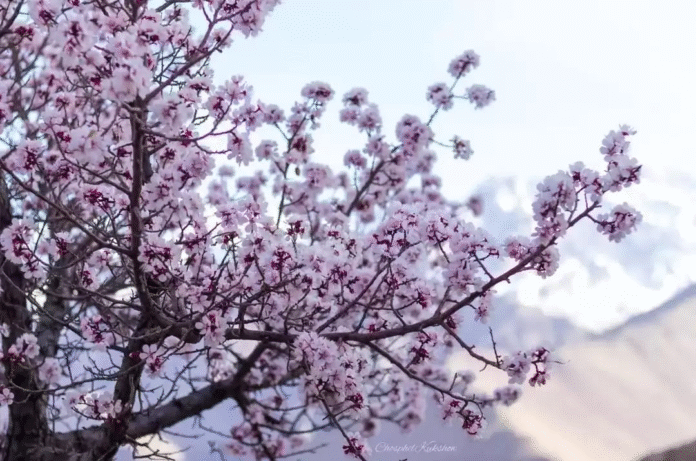
PC(Tripto, Discover Leh Ladakh)
Imagine snow-kissed Himalayan peaks standing guard over a sea of soft pink and white blossoms. For a few precious weeks every spring, the rugged, high-altitude desert of Ladakh transforms into a surreal, pastel dreamscape as if the mountains themselves have awakened in bloom. This is not Japan’s famous cherry blossom season, but something even rarer and more intimate: Ladakh’s Apricot Blossom Festival, locally known as Chuli Mendok or Chuli Namchot.
A Surreal Himalayan Spring while most travellers picture Ladakh as a barren “moonscape” of brown mountains and frozen lakes, early spring reveals its hidden softer side. Between late March and mid-April, apricot orchards in the lower-altitude valleys burst into delicate pink and white flowers. The contrast is breathtaking – tender pastel petals dancing against jagged, snow-dusted peaks under a crisp blue sky. This fleeting “pink spring” turns quiet villages into living canvases. The usual harsh terrain softens, and a peaceful, almost meditative vibe takes over before the busy summer tourist season begins in May-June.
Apricot Blossom Festival 2026: Dates and Moving Celebration. The official Apricot Blossom Festival 2026 will be held from April 8 to April 16. Unlike conventional festivals fixed in one spot, this event travels across different villages in the Leh and Kargil districts, following the peak bloom as it progresses.
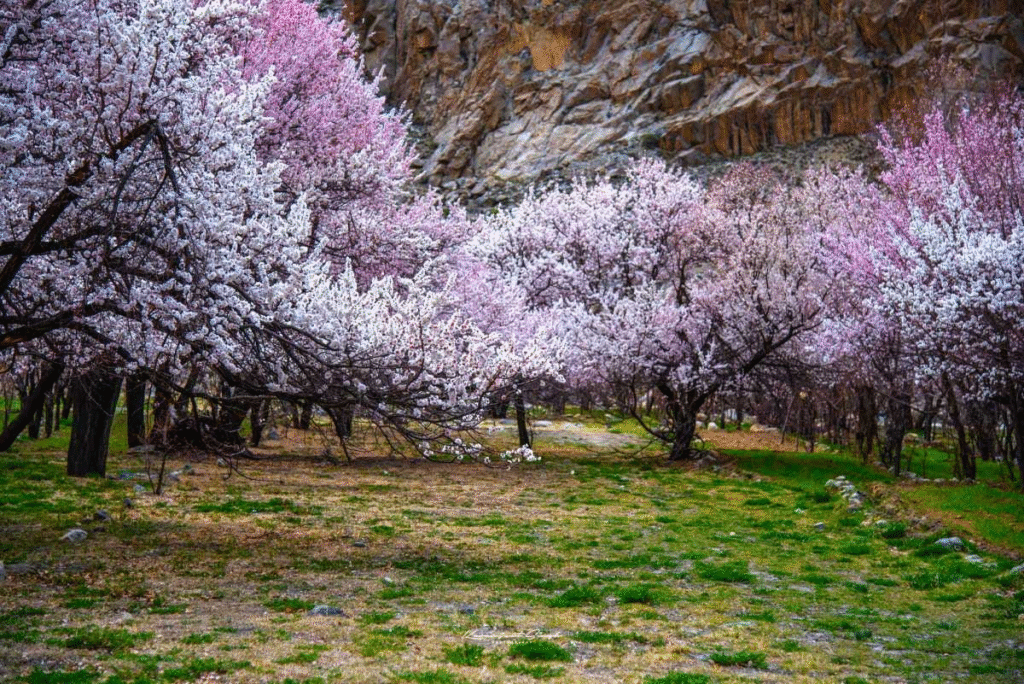
Key highlights from the 2026 schedule include: April 8 – Garkone (Kargil), April 9 – Dha Bema (Leh), April 10 – Darchiks (Kargil), April 12 – Karkitchoo (Kargil), April 13 – Turtuk (Leh), April 14 – Tyakshi (Leh), April 15 – Minjee (Kargil), April 16 – Tyger (Leh).
The festival offers far more than just pretty flowers. It’s a deep dive into local life:Cultural Immersion – Traditional Ladakhi folk dances, music, and performances in village courtyards. Local Flavors – Sample fresh apricot juices, jams, dried fruits, and kernel oil. Don’t miss the world-renowned Raktsey Karpo (white-seeded apricot), famous for its exceptional sweetness.
Browse stalls with handmade woollen products, traditional Ladakhi jewellery, and local artisan goods. Photography Paradise – Capture the ephemeral blooms against dramatic mountain backdrops. Early mornings and golden hour provide the most magical light.
Popular blooming villages include Turtuk, Tyakshi, Dah, Hanu (Aryan Valley), Garkone, Darchiks, Alchi, Domkhar, Sumoor, Wanla, and others along the Indus Valley and Nubra region. Apricots (locally called Chuli) are not native to Ladakh. They were introduced centuries ago via the ancient Silk Route by traders from Central Asia, Persia, and China. In this harsh “rain shadow” desert, where little else grows, the apricot became a true “Tree of Hope” resilient to extreme cold and altitude.
Every part of the tree is cherished Fruit for food and trade. Seeds for oil (used in cooking, medicine, and monastery lamps). Wood for fuel and beautiful carvings Ladakh is home to over 30 varieties. The Raktsey Karpo, discovered relatively recently and granted a Geographical Indication (GI) tag in 2022, stands out as one of the sweetest apricots in the world. In the Aryan Valley (Dha-Hanu villages), home to the Dard tribe believed to descend from ancient Aryan lineages or Alexander the Great’s army, the apricot bloom holds special cultural significance.
The Heart of Ladakh: The Apricot Tree apricots (locally called Chuli) are not native to Ladakh. They were introduced centuries ago via the ancient Silk Route by traders from Central Asia, Persia, and China. In this harsh “rain shadow” desert, where little else grows, the apricot became a true “Tree of Hope” resilient to extreme cold and altitude.
Every part of the tree is cherished fruit for food and trade seeds for oil (used in cooking, medicine, and monastery lamps). Wood for fuel and beautiful carvings Ladakh is home to over 30 varieties. The Raktsey Karpo, discovered relatively recently and granted a Geographical Indication (GI) tag in 2022, stands out as one of the sweetest apricots in the world.
In the Aryan Valley (Dha-Hanu villages), home to the Dard tribe believed to descend from ancient Aryan lineages or Alexander the Great’s army, the apricot bloom holds special cultural significance.