

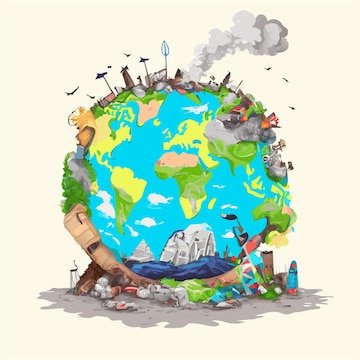
From record-breaking heatwaves and devastating floods to shrinking forests and growing mountains of plastic waste, the environmental challenges facing the world in 2026 are more visible than ever. Scientists warn that humanity is approaching critical ecological tipping points, making this decade one of the most important in modern history for environmental action.
Among the most pressing concerns is climate change. Rising global temperatures are intensifying extreme weather events across continents. Heatwaves are becoming more frequent and severe, glaciers are melting at alarming rates, and sea levels continue to rise, threatening coastal communities. For countries like India, climate change is already affecting agriculture, water availability, public health, and disaster preparedness.
Another major challenge is biodiversity loss. Thousands of plant and animal species are at risk due to habitat destruction, pollution, invasive species, and climate change. Forests, wetlands, coral reefs, and grasslands, ecosystems that support life on Earth, are under increasing pressure. The loss of biodiversity not only threatens wildlife but also weakens food systems, pollination, and natural climate regulation.
Plastic pollution remains a global crisis. Millions of tonnes of plastic waste enter the environment each year, contaminating rivers, oceans, and even the food chain. Tiny microplastics have now been found in water, soil, wildlife, and human bodies, raising concerns about long-term health impacts.
Water scarcity is another growing concern. Rapid urbanisation, over-extraction of groundwater, pollution, and changing rainfall patterns are placing immense stress on freshwater resources. Many regions already face recurring droughts and water shortages, affecting millions of people.
Despite these challenges, there is reason for optimism. Around the world, governments, scientists, businesses, and communities are developing solutions. Renewable energy sources such as solar and wind power are expanding rapidly. Sustainable farming practices are helping protect soil and water resources. Conservation projects are restoring forests and wildlife habitats, while innovations in recycling and biodegradable materials are reducing dependence on conventional plastics.
Individuals also have an important role to play. Simple actions such as reducing waste, conserving water, using public transport, planting trees, supporting sustainable products, and consuming energy responsibly can collectively make a significant difference.
The environmental challenges of 2026 are complex, but they are not insurmountable. The solutions already exist; what is needed is greater commitment, cooperation, and urgency. The choices made today will determine the quality of life for future generations. Protecting the planet is no longer just an environmental goal, it is an economic, social, and moral necessity for humanity’s future.