

Why Gold Has Always Been Rajasthan’s Most Trusted Form of Wealth
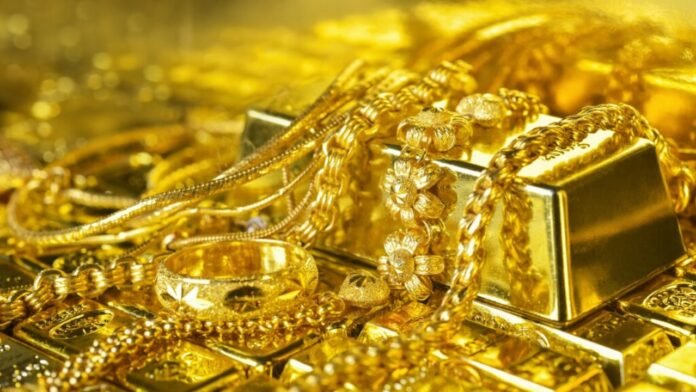
In Rajasthan, jewellery has never been merely an aesthetic expression—it has long functioned as a deeply embedded economic system. Across regions from Mewar to Marwar, gold jewellery has served as a reliable store of value, a safeguard against uncertainty, and a tangible form of wealth that remains within the household.
For generations, families have invested in gold not through formal financial institutions, but through cultural practices that seamlessly blend tradition with economic foresight. In this sense, jewellery becomes both adornment and asset—worn with pride, yet preserved with purpose.
Gold and the Ritual Calendar
One of the most distinctive aspects of Rajasthan’s relationship with gold is its connection to the ritual calendar. Festivals such as Dhanteras, Akshaya Tritiya, Navratri, and Diwali are considered especially auspicious for purchasing gold. These occasions are not random—they are culturally structured moments that encourage disciplined, periodic investment.
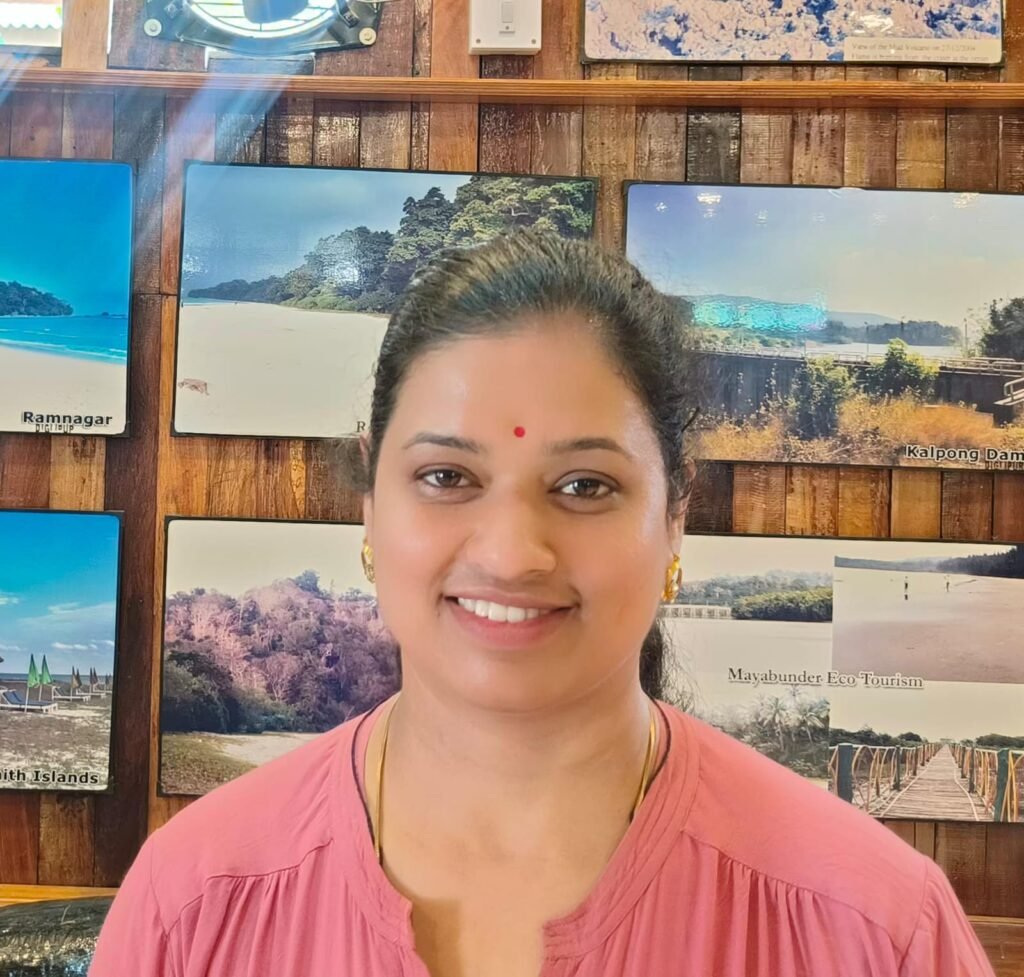
Historian Dr. Itiraj Sharma explains this with striking clarity:
“Gold buying in Rajasthan is embedded in a carefully structured ritual calendar that effectively functions as an institutionalised form of forced saving. Each occasion—whether Dhanteras, Akshaya Tritiya or life-cycle events—carries its own economic logic. Over time, these periodic purchases transform what appears to be a cultural practice into disciplined wealth accumulation across the lifecycle. Importantly, gold also offers superior liquidity in rural contexts, often more accessible than formal banking systems, while its public display during festivals and weddings signals credibility and enables participation in informal credit networks.”
This cyclical pattern ensures that wealth is steadily built over time, without the need for formal financial planning—making it especially relevant in rural and semi-urban settings.
The Tradition of Stridhan
Weddings mark another crucial moment in the economic life of jewellery. The age-old tradition of Stridhan—where gold jewellery is gifted to the bride—serves as more than a ceremonial gesture. It represents a form of financial autonomy and security for women.
In many households, this jewellery remains exclusively owned by the woman, acting as a personal reserve that can be relied upon in times of need. In a socio-economic context where access to independent financial resources has historically been limited, Stridhan has played a vital role in safeguarding women’s economic agency.
Jewellery as Household Wealth
In Rajasthan, gold is often described as “wealth you can wear.” Unlike immovable assets, jewellery is portable, discreet and instantly liquid. It can be pledged, sold or exchanged during emergencies—whether for healthcare, agriculture, or family obligations.
This dual function—ornamental and financial—has ensured that gold remains deeply trusted across generations. In many families, jewellery is not only inherited but also continuously added to, creating a living repository of wealth that evolves with time.
Even today, it is not uncommon for households to prioritise gold purchases over other forms of investment, particularly in regions where trust in formal financial systems may be limited or access remains uneven.
A Living Financial Tradition
What makes Rajasthan’s gold culture truly remarkable is its seamless blending of emotion and economics. Festivals, marriages and traditions are not separate from financial behaviour—they actively shape it.
In this landscape, gold jewellery becomes more than an object. It is security in uncertain times, status in social spaces, and continuity across generations.
And perhaps that is why, even today, the glow of gold in Rajasthan is not just about beauty—it is about resilience, trust and a deeply rooted understanding of wealth.