

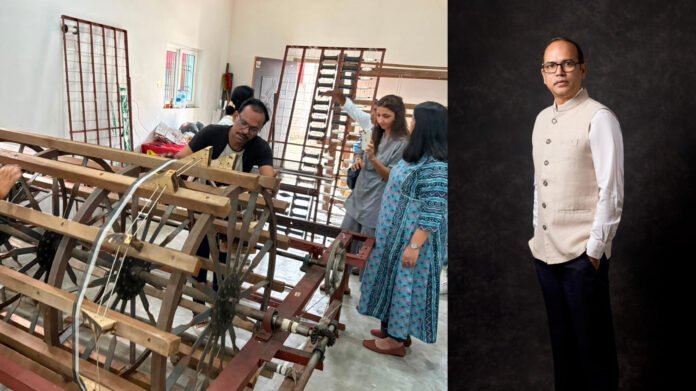
For generations, Banka in Bihar has been home to skilled silk weavers whose craft has carried forward through family traditions. Yet, for years, the people behind the craft remained largely invisible to the wider market, often separated from consumers by layers of middlemen and limited access to design, finance and market opportunities.
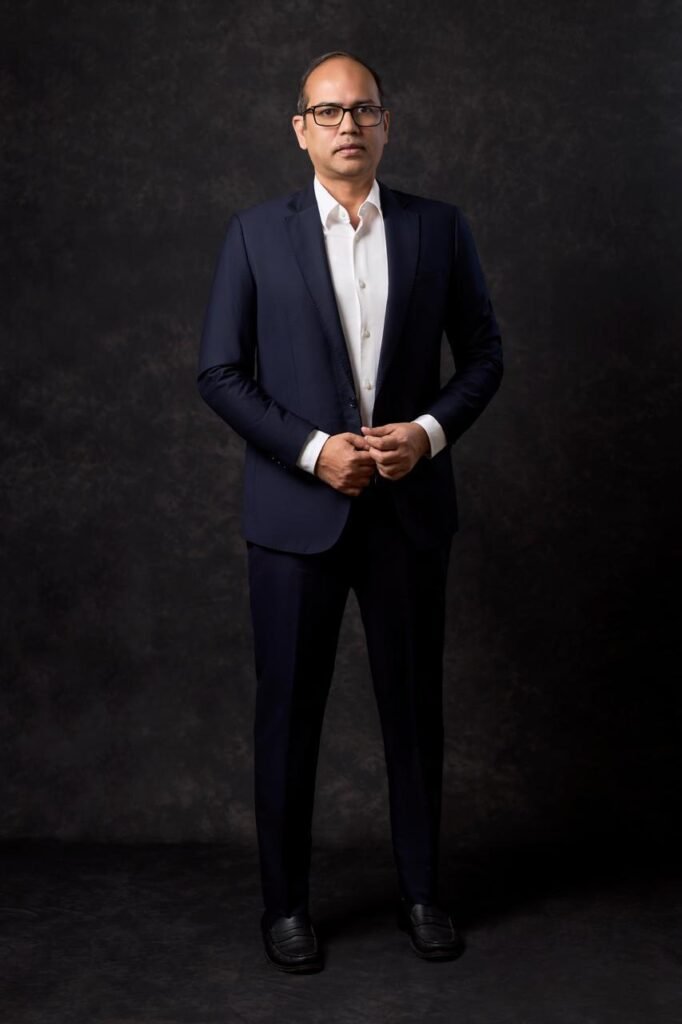
For Udyan Singh, this gap became a reason to return to his roots. With a background in civil engineering, a stint with Indian Railways and later experience in advertising and filmmaking in Mumbai, Singh brought together his understanding of storytelling, branding and communication with a desire to create greater opportunities for Banka’s weaving community. He founded Banka Silk as a social-enterprise initiative aimed at giving the region’s silk a stronger identity while creating better market linkages for its artisans.
In this conversation, Singh reflects on his journey from filmmaking to the world of handlooms, the challenges faced by Banka’s weavers, the importance of fair value chains, the role of contemporary design and digital platforms, and his vision of making Banka silk a recognised identity of Bihar’s craft heritage.
Q. You moved from Mumbai’s filmmaking world to working with Banka’s weavers. What brought you back to your roots?
My journey from Mumbai’s filmmaking world back to Banka was not simply a professional decision; it was a return to my identity and responsibility. In Mumbai, I learned the power of storytelling, presentation and creating a strong visual identity. But gradually, I realised that the most important story I could tell was the story of my own people.
When I came back to Banka, I saw skilled weavers struggling with poverty, debt and a lack of market access. In many cases, the people who created such beautiful silk products were earning very little, while the product was sold at much higher prices in the market. Some reports recorded that certain weavers were earning as little as ₹30 per day.
That reality deeply affected me. I felt that if I had the ability to connect people, create a brand and tell stories, I must use those abilities to bring Banka’s weavers before the country and the world.
Q. What did you see in Banka’s silk-weaving community that made you believe it could become a strong identity for the region?
I saw a heritage that had survived despite neglect. Banka’s weavers had inherited skills from their families and had the ability to create beautiful silk fabrics with patience, precision and imagination.
But the craft did not have a strong identity in the marketplace. A weaver was often known only to a middleman, while the final product carried no distinctive regional identity. Banka Silk was created to give the artisans and their work a collective name, recognition and place in the market.
I believed that Banka silk could become much more than a local product. It could become a symbol of Bihar’s creativity, resilience and cultural heritage. The challenge was to convert an invisible skill into a visible brand.
Q. When you started Banka Silk, what was the biggest challenge you wanted to solve for the weavers?
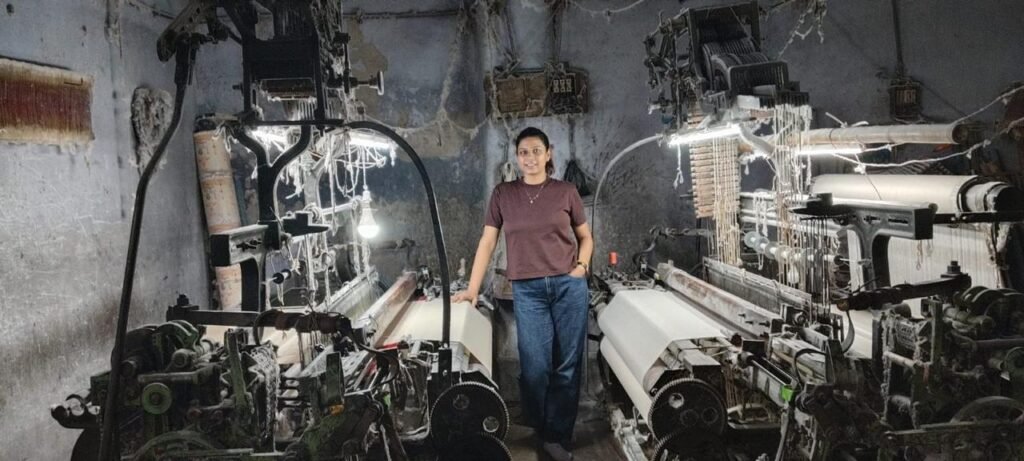
The biggest challenge was the complete disconnect between the weaver and the market. The artisan created the product, but usually did not meet the final customer or understand the actual value of the product.
Weavers faced several interconnected problems:
Dependence on middlemen.
Difficulty in purchasing raw materials.
Debt and informal borrowing.
Weak bargaining power.
Lack of design and quality support.
Limited access to exhibitions and national markets.
No strong identity for Banka’s silk.
Many artisans were forced to accept whatever price they were offered because they needed immediate money to support their families. Our aim was to break this cycle and create a more direct, transparent and fair connection between the artisan and the customer.
Q.How do you preserve traditional weaving while introducing designs that appeal to today’s customers?
For me, preserving tradition does not mean keeping it frozen in the past. A tradition survives only when it continues to remain useful, attractive and economically viable.
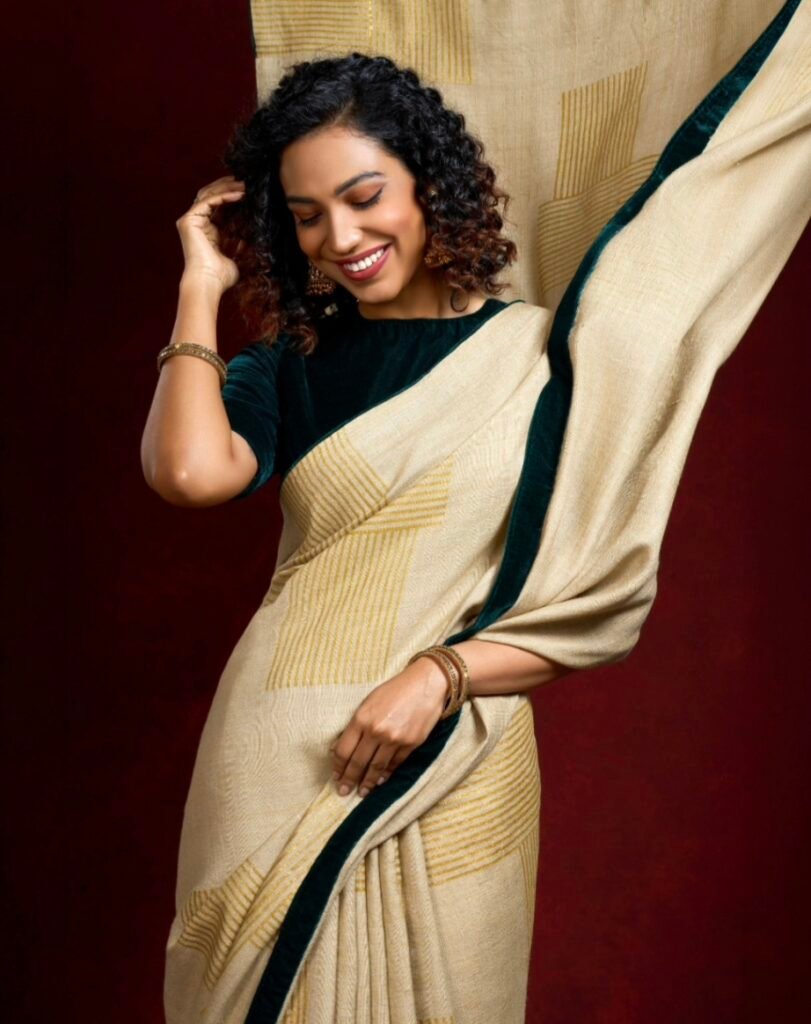
We preserve the original skills, handloom techniques and knowledge of the artisans. At the same time, we work on contemporary colours, designs, textures and product formats. Traditional silk can be used not only for sarees but also for stoles, dupattas, garments, accessories and home products.
The artisan should not be treated merely as a producer. He or she must be part of the design and development process. When traditional knowledge is combined with modern design, quality control and customer understanding, the craft becomes more relevant without losing its soul.
Q. What changes have you seen in the lives of artisans since Banka Silk began working directly with them?
The most visible change has been recognition. Earlier, many artisans worked anonymously. Their products were sold through different channels, but the identity of the weaver and the region remained invisible.
Banka Silk gave the community a collective identity and helped connect weavers with designers, brands, exhibitions and wider markets. In some collaborations, weavers were able to sell directly to fashion designers at prices discussed with them, without the involvement of middlemen.
This has helped improve confidence and bargaining power. The weavers have started seeing that their skills have value beyond their village or district. However, I also believe that the work is not complete. Access to technology, healthcare, education, credit and consistent orders remains a continuing challenge.
Our success should not be measured only by the number of products sold. It should also be measured by whether a weaver’s family can live with greater dignity, whether children can receive better education and whether the next generation sees weaving as a respectable livelihood.
Q. How can better market access and fairer value chains change the future of traditional handloom communities?
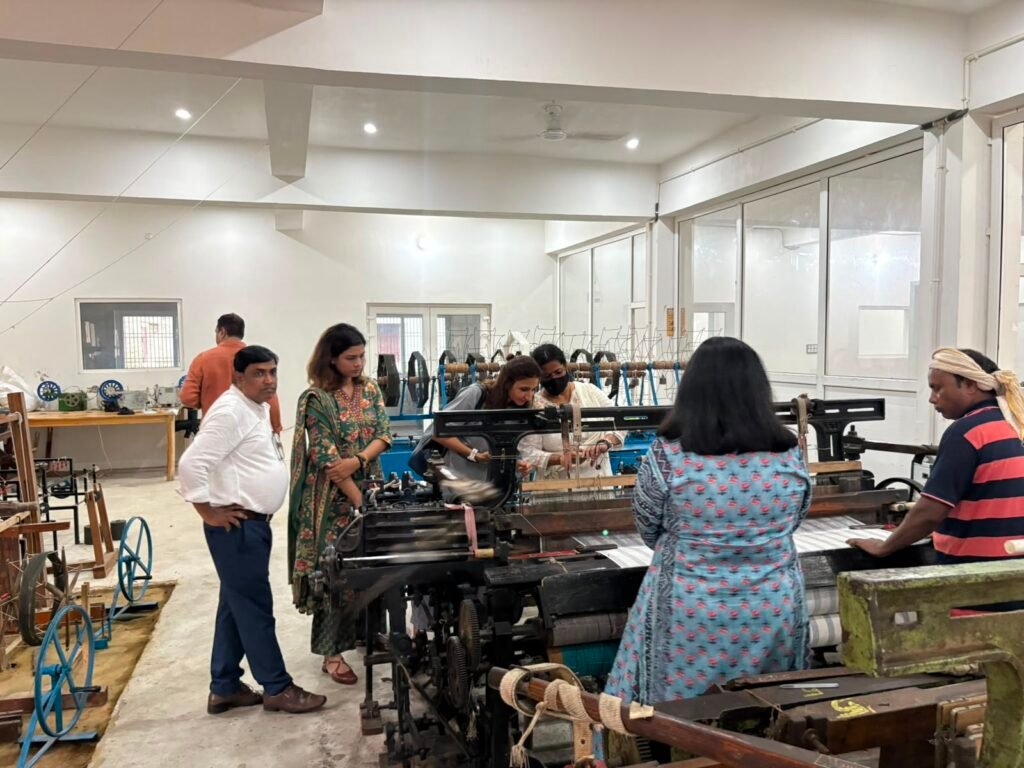
Market access is the foundation of survival for any craft community. Skill alone is not enough. If the artisan cannot reach the customer, cannot obtain raw material and cannot receive a fair price, the craft will gradually disappear.
A fair value chain should ensure that:
The artisan receives a transparent and reasonable price.
Raw materials are available without excessive debt.
Buyers understand the time and skill involved.
Products receive proper branding and quality support.
Artisans have access to exhibitions, digital platforms and institutional buyers.
Payments are timely and reliable.
When a weaver earns fairly, the benefit reaches the entire community. It supports education, healthcare, housing and local economic activity. It also encourages young people to remain connected with the craft.
We must change the mindset that handmade products should always be cheap. A handwoven silk product carries time, human skill, cultural knowledge and individual effort. Fair pricing is not charity; it is justice.
Q. Banka is known for its rich silk tradition, yet it remains less recognised nationally. What do you think is missing from its story?
Banka is not short of talent or heritage. What has been missing is visibility, organised branding, professional storytelling and sustained market development.
For years, Banka’s silk was sold as an individual product without a strong regional identity behind it. The consumer often did not know where the product came from, who had made it or how long it took to produce.
The story of Banka must include the weaver, the family, the village, the technique and the journey of the silk. It must be communicated through exhibitions, documentaries, fashion platforms, digital media, e-commerce and responsible brands.
The world is interested in authentic stories. Banka has a powerful story of skill, struggle and survival. We need to tell that story with confidence and consistency.
Q. What role have exhibitions, fashion collaborations and contemporary platforms played in taking Banka Silk beyond Bihar?
They have played a very important role in creating visibility and changing perceptions. An exhibition allows the customer to see the product, meet the people behind it and understand its value. Fashion collaborations show that traditional silk can be part of contemporary design.
When Banka silk is presented on a national or international platform, it is no longer seen merely as a local textile. It becomes a product of Indian craftsmanship with wider possibilities. Collaborations with fashion designers and brands have also created opportunities for direct interaction between artisans and buyers.
Today, digital platforms are equally important. Social media, online catalogues, e-commerce and visual storytelling can take a weaver’s work from a small village to customers across India and the world. But digital visibility must be supported by consistent quality, production capacity, proper packaging and timely delivery.
Q. With younger generations moving away from traditional crafts, how can weaving become an attractive livelihood for the next generation?
The younger generation will not remain in weaving simply because it is their family tradition. They will remain only when it offers dignity, income, growth and a sense of future.
We must present weaving as a complete creative and business ecosystem. Young people can become:
Weavers and master craftsmen.
Designers and product developers.
Digital marketers and photographers.
E-commerce entrepreneurs.
Quality-control professionals.
Trainers and cluster managers.
Founders of their own craft brands.
Training must include not only weaving but also design, technology, financial literacy, digital marketing and entrepreneurship. Young artisans should be exposed to national markets and contemporary customer preferences.
If a young person can earn a respectable income, work with modern designs and build a recognised career without leaving the village, then weaving can become an attractive choice again.
Q. After years of working closely with artisans, what has the weaving community taught you about entrepreneurship and social impact?
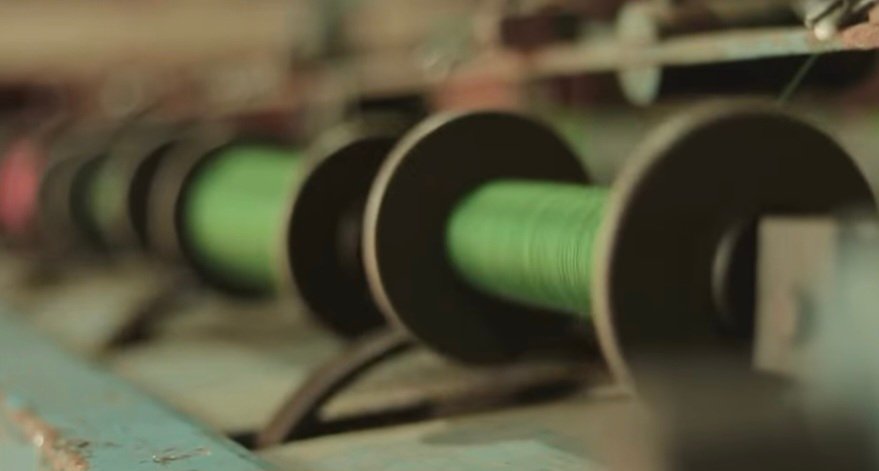
The weaving community has taught me that real entrepreneurship requires patience and commitment. A handloom product cannot be created instantly. Every thread requires attention, and every mistake can affect the final product.
The artisans have also taught me that people do not want sympathy; they want opportunity. They want fair payment, reliable work, respect and the ability to make decisions about their own lives.
For me, social impact is not a separate activity from business. A business becomes meaningful when it creates value for the people who make the product. The real measure of success is not only turnover or visibility. It is whether the weaver is earning better, whether the craft is surviving and whether the community is becoming more confident and self-reliant.
Q. What is one misconception about Bihar’s handloom and silk traditions that you would like to change?
The biggest misconception is that Bihar’s crafts are backward, ordinary or incapable of meeting modern standards. That is completely incorrect.
Bihar has extraordinary artisans, but they have not always received the right market access, design support, infrastructure and professional presentation. The problem is not a lack of talent. The problem is that the talent has remained invisible for too long.
Bihar’s handloom and silk traditions can produce sophisticated, contemporary and internationally relevant products. We need to stop looking at artisans only as beneficiaries of welfare. They are skilled professionals, creators and entrepreneurs. They deserve to be treated accordingly.
Q. Looking ahead, what would you like Banka Silk to achieve for Banka’s weavers and for Bihar’s craft heritage?
I want Banka Silk to become a respected national and global identity for the weavers of Banka. I would like a customer in any part of India or anywhere in the world to recognise Banka silk as a product of authenticity, quality and human craftsmanship.
But the larger goal is not only to build a successful brand. It is to build a sustainable ecosystem around the weavers. This should include:
Regular and fair employment.
Better access to raw materials and working capital.
Training in design and modern production.
National and international market linkages.
Improved access to technology, healthcare and education.
Greater participation of women and young people.
Documentation and preservation of traditional techniques.
I want every Banka weaver to feel that his or her work has a place in the modern world. I want the children of weavers to see their parents’ profession with pride, not as something they must escape from.
Banka Silk is ultimately an effort to take the hands of our weavers to the world. Our message is simple: if the world can value handmade products from other countries, it can also value the skill, heritage and hard work of India’s weavers.
The future of Banka silk will depend on collective effort. Artisans, designers, customers, institutions, government and responsible businesses must work together. If we succeed, we will not only protect a textile tradition; we will create a stronger and more dignified future for an entire community.
A Craft That Carries a Community
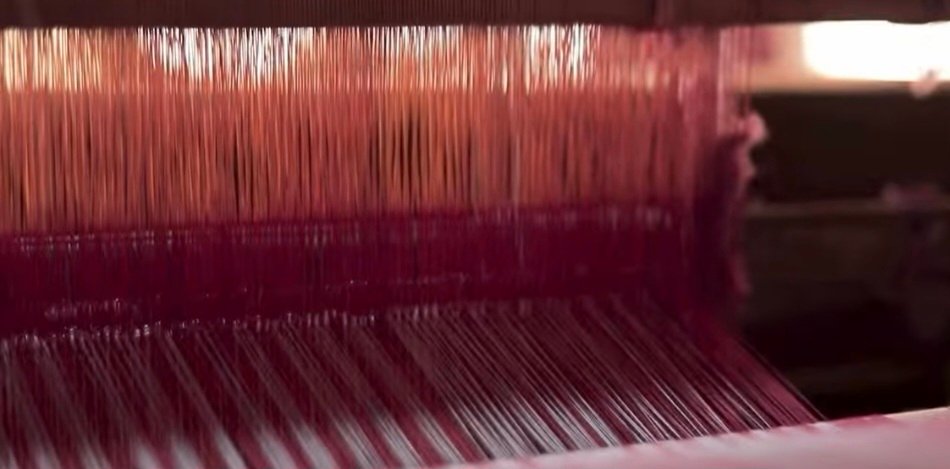
For Udyan Singh, the story of Banka Silk extends beyond silk, handlooms or a single enterprise. It is about making the people behind a traditional craft visible, connecting inherited skills with contemporary markets and ensuring that craftsmanship can remain a viable livelihood for future generations.
From Banka’s weaving communities to customers beyond Bihar, the journey is ultimately about creating a bridge between heritage and opportunity. And at the heart of that journey remains a simple idea: a craft survives not merely when its techniques are preserved, but when the people who carry those techniques forward can build a dignified future from them.