

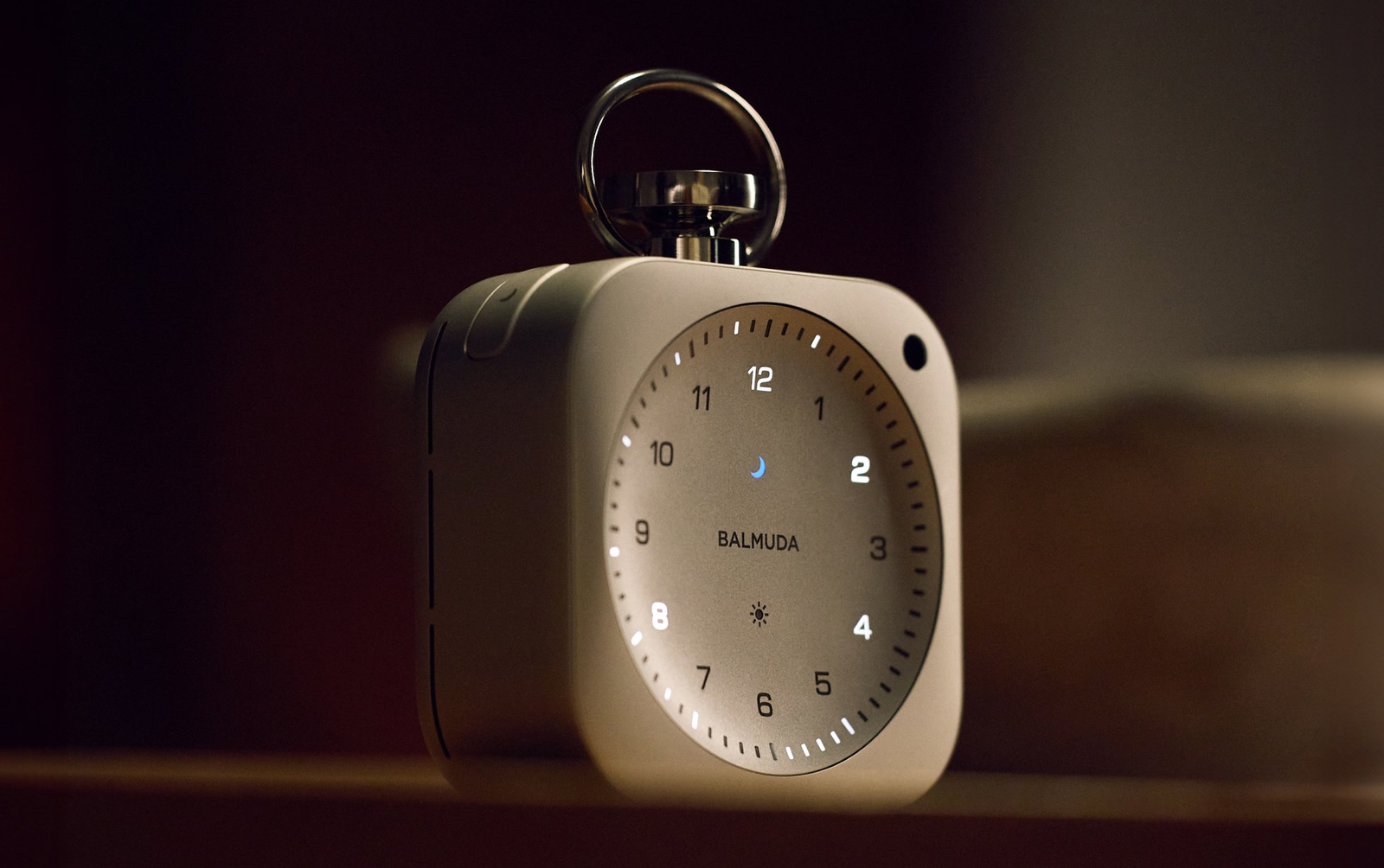
A mysterious decision made nearly 5,000 years ago still shapes how we measure time today.
In 1793, during the French Revolution, France attempted a radical overhaul of time itself. The day was divided into 10 hours, each with 100 decimal minutes and seconds. Decimal clocks appeared in public buildings, and official schedules followed the new system. But the experiment quickly collapsed. It proved impractical, unpopular, and isolated France from the rest of the world. Within just over a year, decimal time was abandoned.
So why do we still use 24 hours, with 60 minutes and 60 seconds?
The answer goes back to the Sumerians, one of the earliest urban civilisations. Alongside innovations like writing and irrigation, they developed a number system based on 60—known as the sexagesimal system. One theory suggests this came from counting finger joints: using one hand to count to 12 and the other to track multiples, reaching 60.
While the exact reason remains unclear, base-60 had a major advantage—it is highly divisible. Sixty can be split evenly into halves, thirds, quarters, fifths, and more, making it ideal for trade, land measurement, and calculations.
Later, the Babylonians adopted this system and used it extensively in astronomy. Their calculations divided celestial movements into smaller and smaller units—laying the groundwork for minutes and seconds, even if not yet used in daily life.
Meanwhile, the Ancient Egyptians introduced the concept of dividing the day into 12 hours of daylight and 12 of night, creating the 24-hour day. Early tools like sundials and water clocks emerged around 1500 BC, often tied to religious rituals rather than precise scheduling.
The real breakthrough came when these ideas merged in the Hellenistic period, a time of intense knowledge exchange. Greek scholars adopted Babylonian numerical systems and Egyptian time divisions, preserving and spreading them across generations.
For centuries, hours existed without minutes and seconds in everyday life. Only with the invention of mechanical clocks—and later, highly accurate devices like pendulum and atomic clocks—did smaller units become essential.
Today, atomic clocks define time with extraordinary precision, underpinning technologies like GPS and the internet. Yet, at its core, our system remains a relic of ancient choices.
Despite attempts like France’s decimal time, the 60-based system endured. It is deeply embedded in science, technology, and daily life—so much so that changing it now would be nearly impossible.
What began as a practical counting method in ancient Mesopotamia has become one of humanity’s most lasting legacies—quietly ticking away in every second we measure.