

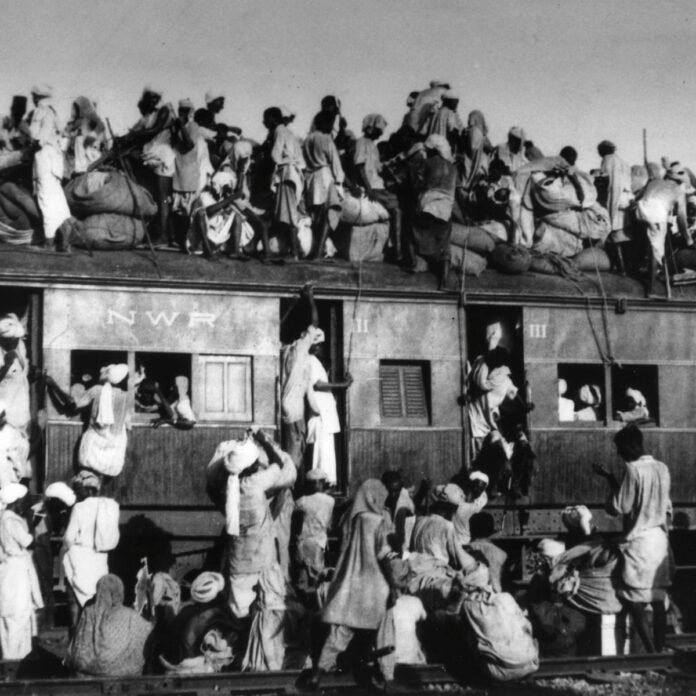
The Partition of India in 1947 came with independence. But it also came at a cost that we, sitting generations later, can barely begin to understand.
Most of us have not been directly affected by it. My family wasn’t. No close ones were. Our lives just went on as they were. And because of that, I sometimes feel that we cannot truly grasp the pain, the trauma and the sacrifice of those who lived through it, the ones on the borders, the ones in Punjab, Bengal, Rajasthan and everywhere in between who felt Partition not just around them, but in their bones.
We read about it in textbooks. We watch films about it now. We hear stories from grandparents and families who somehow carried those memories with them. But even all of that feels like just a fragment. A tiny glimpse of something that was much bigger, much heavier and much more heartbreaking.
Families had to abandon their homes. Not just houses, but generational homes. Places that had seen their grandparents, their parents, their childhoods. They had to leave behind everything they had earned, their farms, their lands, their shops, their belongings, and the things they had nurtured with their own hands.
But more than things, they left behind emotions.
Every corner of those homes carried a memory. Every street had a story. Every piece of land was connected to someone they loved. And suddenly, people who had spent their entire lives in one place were forced to leave, often with nothing more than what they could carry.
And the worst part, many did not even make it together.
There are stories of families who lost members along the way. Of trains that became symbols of both hope and horror. Of people searching for their loved ones in the chaos. There are stories that still make us shiver when we hear them, stories of women and girls who faced unimaginable violence, and of families who, in desperation and fear, made devastating choices to protect them from the atrocities around them.
The British, the hurried division of the country, communal violence, fear and hatred, everything came together in a storm that ordinary people had to survive. And sometimes, survival itself meant leaving behind everything they knew.
When I think about Partition, I feel only a fraction of what those people must have felt. A lump in the throat. Tears that come too easily because the truth is simply too big to comprehend.
We often remember the freedom fighters who fought for independence. We remember the soldiers who protected the nation. But beyond them was another kind of struggle, quieter, less spoken about, but no less courageous.
The struggle of mothers who lost their children. Fathers who lost their homes. Children who became refugees overnight. Families who lost everything and still found the strength to begin again.
Independence was hard earned.
But so was survival after Partition.
We may not have lived it. We may never fully understand what it meant to leave behind a home, a family, a lifetime and sometimes even a part of oneself.
But we owe it to those who did.
To remember them. To acknowledge their pain. To listen to their stories. And to never forget that the freedom we celebrate today was not born without a cost.
For millions, 15 August 1947 was not only the day India became free.
It was also the day they had to learn how to live with what they had lost.