

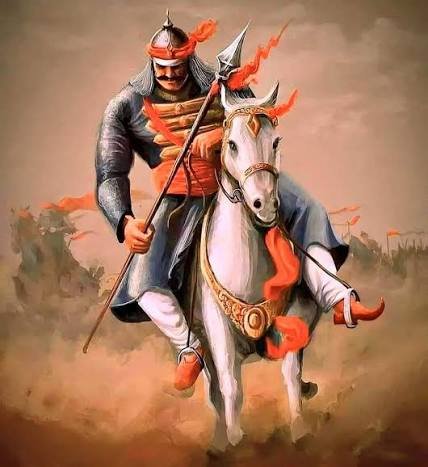
Few animals occupy as cherished a place in Indian history and folklore as Chetak, the loyal horse of Maharana Pratap. Centuries after the Battle of Haldighati, the story of the warrior king and his trusted companion continues to be told across Rajasthan and beyond. While kings and battles often dominate historical narratives, Chetak’s name has endured because his story represents loyalty, courage, and sacrifice in their purest form.
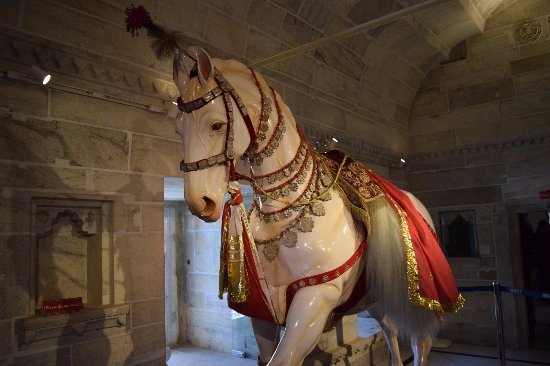
Chetak was the favourite horse of Maharana Pratap and is generally described in historical traditions as a white Marwari horse, a breed renowned for its endurance, intelligence, and distinctive inward-curving ears. Although contemporary sixteenth-century records provide limited details about the horse, later chronicles, regional traditions, and folk ballads elevated Chetak into a legendary figure.
The horse is most closely associated with the Battle of Haldighati, fought on 18 June 1576 between the forces of Mewar led by Maharana Pratap and the Mughal army commanded by Raja Man Singh of Amber. During the fierce battle, Chetak carried Maharana Pratap through intense combat as the ruler fought against overwhelming odds.
According to long-standing traditions and later accounts, Chetak displayed extraordinary bravery on the battlefield. One of the most famous stories describes him rearing up and placing his front legs on the trunk of Man Singh’s war elephant, allowing Maharana Pratap to strike at the enemy commander. Historians caution that some details of this episode belong more to legend than verifiable history, yet the tale remains one of the most celebrated moments in Rajput folklore.
What is more widely accepted is that Chetak was severely wounded during the battle. Despite his injuries, he continued carrying Maharana Pratap away from danger. Pursued by enemy forces and weakened from his wounds, the horse is said to have made a final leap across a stream or ravine, ensuring his master’s escape. Only after reaching safety did Chetak collapse and die.
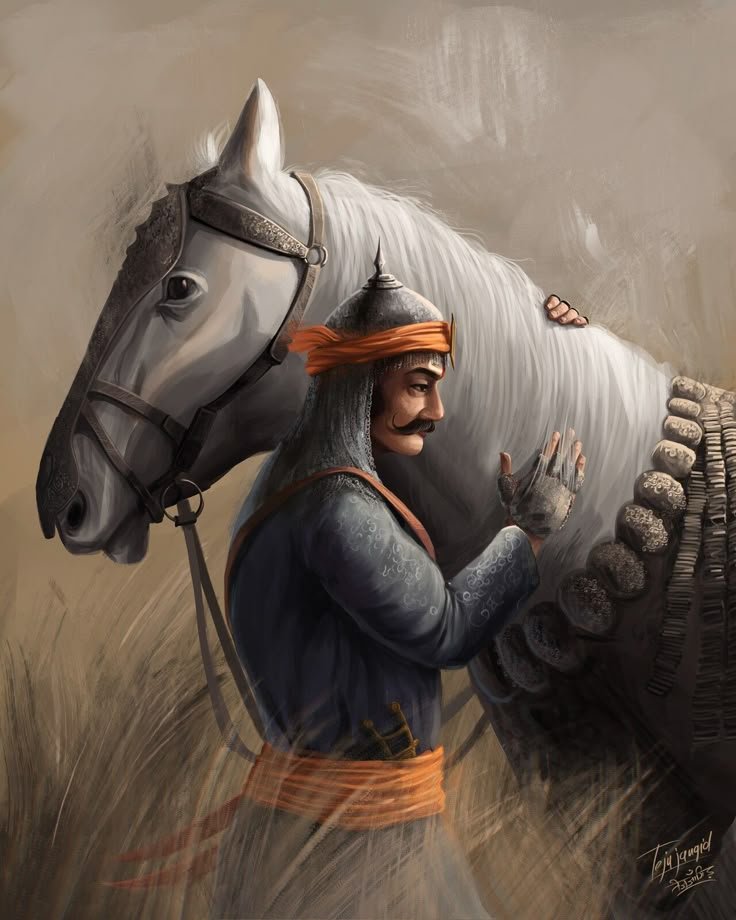
Whether every detail of this story can be historically verified or not, the essence of the narrative has endured because it reflects the deep bond between a warrior and his horse. In an age when cavalry formed the backbone of military power, horses were not merely animals; they were companions in battle, trusted with the lives of their riders. For Maharana Pratap, Chetak became the symbol of unwavering loyalty.
The story of Chetak found immortality in Rajasthan’s rich oral traditions. Generations of poets, bards, and folk singers celebrated his courage through songs and ballads. Among the most famous literary tributes is the poem “Chetak Ki Veerta” by the renowned Hindi poet , which helped introduce the horse’s legend to readers across India. Through folklore, Chetak transformed from a historical war horse into a cultural icon.
Today, the memory of Chetak is preserved at Chetak Samadhi, located near Haldighati in Rajasthan. The memorial marks the site traditionally associated with the horse’s death after saving Maharana Pratap. Visitors who come to learn about the Battle of Haldighati often stop here to pay tribute to the animal whose loyalty became legendary. The samadhi serves as a reminder that history is not shaped only by rulers and armies, but also by acts of devotion that transcend time.
Chetak’s enduring appeal lies in the values his story represents. Courage in adversity, loyalty unto death, and an unbreakable bond between companions are themes that resonate across generations. For this reason, Chetak remains far more than a horse in popular memory. He is a symbol of sacrifice and faithfulness, forever linked to the legacy of Maharana Pratap.
More than four centuries after Haldighati, the name Chetak continues to evoke admiration and emotion. History remembers Maharana Pratap as the warrior who refused to surrender. Alongside him stands Chetak, the horse whose loyalty made him immortal.