

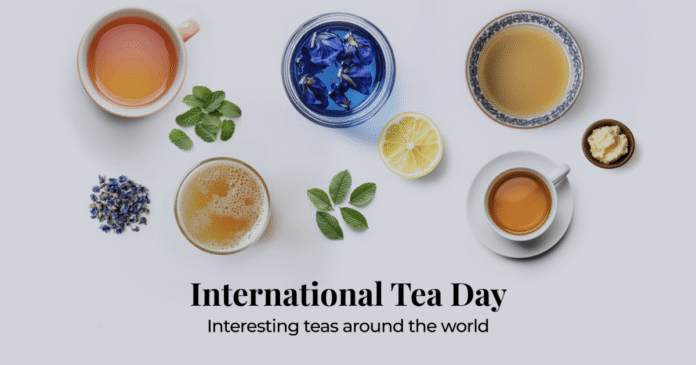
From the bustling tea stalls of India to elegant tea ceremonies in Japan and afternoon tea traditions in Britain, tea is far more than just a beverage — it is culture, comfort, conversation and history poured into a cup. Every year on May 21, the world celebrates International Tea Day, recognising not only tea’s global popularity but also the millions of people whose livelihoods depend on the tea industry.
The Ancient History of Tea
The story of tea dates back nearly 5,000 years. According to Chinese legend, Emperor Shen Nong accidentally discovered tea around 2737 BCE when tea leaves blew into boiling water he was preparing. Over centuries, tea evolved from a medicinal drink into a cultural and social tradition across Asia.
Tea gradually travelled beyond China through trade routes and Buddhist monks. By the 17th century, it had reached Europe and quickly became one of the world’s most traded commodities. The British later played a major role in expanding tea cultivation in India and Sri Lanka during the colonial era, leading to the rise of famous tea-growing regions such as Assam and Darjeeling.
Why International Tea Day is Celebrated
International Tea Day was officially recognised by the United Nations in 2019 and is observed annually on May 21. The day highlights tea’s cultural significance, economic importance and role in reducing poverty in tea-producing countries.
The observance also draws attention to the lives of tea plantation workers, small tea growers and sustainable tea production. Countries such as India, China, Sri Lanka, Kenya and Bangladesh are among the world’s leading tea producers, with millions dependent on the industry for employment and trade.
The Many Types of Tea
Although all traditional teas come from the same plant — Camellia sinensis — different processing methods create distinct varieties.
Black Tea: Strong and fully oxidised, black tea is among the most consumed varieties worldwide. Assam and English Breakfast tea are popular examples.
Green Tea: Minimally processed and rich in antioxidants, green tea is closely associated with East Asian cultures.
Oolong Tea: A partially oxidised tea known for its complex flavours and aromatic profile.
White Tea: One of the least processed teas, delicate in flavour and prized for its subtle taste.
Herbal Tea: Technically not true tea, herbal infusions like chamomile, peppermint and hibiscus are caffeine-free and widely enjoyed.
In India, masala chai — prepared with milk, spices and sugar — has become an inseparable part of daily life and social culture.
Tea’s Global Popularity
Tea is the second most consumed beverage in the world after water. Whether served in roadside clay cups, elegant porcelain sets or modern cafés, tea continues to connect people across cultures and generations.
Beyond taste, tea is often associated with relaxation, hospitality and wellness. Studies suggest certain teas may help improve focus, digestion and heart health, though experts advise moderation and balanced consumption.
More Than Just a Drink
International Tea Day is ultimately a celebration of heritage, labour and shared human connection. Behind every cup lies a long journey — from misty tea gardens and skilled workers to centuries-old traditions and everyday conversations.
In a fast-moving world, tea remains timeless: a simple drink capable of bringing warmth, pause and togetherness across continents.