

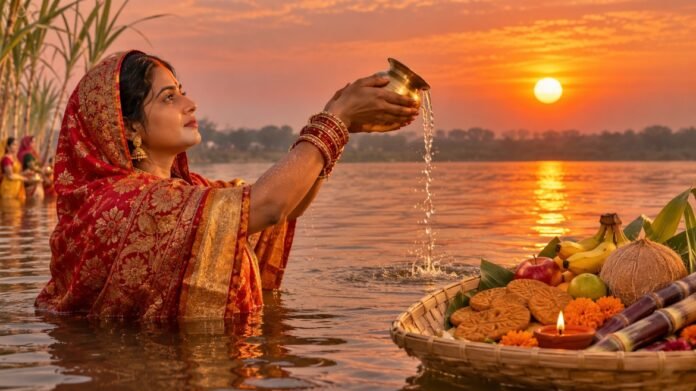
Chhath Puja, one of the oldest and most significant Hindu festivals dedicated to the worship of the Sun God, Surya, and Chhathi Maiya, is a celebration of gratitude, faith and the deep connection between human life and nature. Observed over four days, the festival brings together devotion, traditional practices, fasting and community participation. It is particularly associated with Bihar, Jharkhand, eastern Uttar Pradesh and parts of Nepal, although celebrations have spread to several other parts of India and abroad.
Celebrated on the sixth day of the lunar fortnight in the Hindu month of Kartika, Chhath Puja is observed to express gratitude to the Sun for sustaining life on Earth and to seek blessings for good health, prosperity, longevity and family well-being. Chhathi Maiya is also worshipped alongside Surya Dev and is traditionally associated with the protection of children and the well-being of families.
Chhath Puja 2026: Dates and Four-Day Schedule
In 2026, Chhath Puja will be celebrated from November 13 to November 16. Each of the four days has a distinct ritual and spiritual significance.
●November 13, Friday – Nahay Khay: The festival begins with ritual bathing, purification and the preparation of a traditional meal.
●November 14, Saturday – Kharna: Devotees observe a day-long fast and break it after evening prayers, marking the beginning of the rigorous fast.
●November 15, Sunday – Sandhya Arghya: Devotees gather at rivers, ponds and other water bodies to offer prayers to the setting Sun.
●November 16, Monday – Usha Arghya: The festival concludes with offerings to the rising Sun, followed by the breaking of the fast, known as Parana.
The Four Days of Chhath Puja: Rituals and Traditions
1. Nahay Khay: Beginning with Purification
The first day, Nahay Khay, marks the beginning of the festival. Devotees, particularly women observing the fast, clean their homes and surroundings and take a holy dip in rivers or other water bodies. The ritual symbolises physical and spiritual purification.
A traditional vegetarian meal is prepared after the rituals, often consisting of rice, chana dal and bottle gourd (lauki), cooked with great care. Food is traditionally prepared in a clean environment, using separate utensils and ingredients considered suitable for the occasion. The day establishes the discipline and purity associated with the festival.
2. Kharna: The Beginning of the Rigorous Fast
The second day is known as Kharna or Lohanda. Devotees observe a fast throughout the day and perform prayers in the evening. After the rituals, the fast is broken with a traditional offering of jaggery-based kheer, often prepared with rice and milk, along with chapatis or other simple preparations.
The prasad is first offered to the deities and then distributed among family members and others. Following Kharna, devotees begin a strict 36-hour nirjala vrat, during which they abstain from both food and water. This fast continues until the final morning prayers.
3. Sandhya Arghya: Prayers to the Setting Sun
The third day is the central occasion of Chhath Puja. Devotees prepare traditional offerings and arrange them in bamboo baskets, commonly known as soop and daura. These include thekua, seasonal fruits, sugarcane, coconut, rice laddoos and other traditional items.
In the evening, families and communities gather at riverbanks, ponds and specially prepared water bodies. Standing in the water, devotees offer arghya, a ritual offering of water and prayers, to the setting Sun. Traditional folk songs dedicated to Chhathi Maiya and Surya Dev fill the surroundings, creating an atmosphere of collective devotion.
4. Usha Arghya: Welcoming the Rising Sun
The fourth and final day begins before sunrise, when devotees return to the water bodies to offer prayers to the rising Sun. Known as Usha Arghya, this ritual completes the four-day observance.
After offering arghya and performing the concluding prayers, devotees break their 36-hour fast through a ritual known as Parana. Prasad is distributed among family members, relatives and neighbours, marking the conclusion of the festival.
Thekua, Traditional Offerings and the Importance of Nature
Food and traditional offerings hold a special place in Chhath Puja. Thekua, a sweet preparation made primarily from wheat flour and jaggery, is among the most recognisable prasad associated with the festival. Other offerings include seasonal fruits, coconut, sugarcane, bananas, rice laddoos and sweets prepared at home.
Bamboo baskets are traditionally used to carry these offerings, reflecting the festival’s connection with nature and local craftsmanship. Preparations are generally made with considerable attention to cleanliness, simplicity and traditional methods.
Unlike many Hindu festivals, Chhath Puja does not centre on the worship of idols. Instead, devotees directly worship natural elements, particularly the Sun, water and earth. The Sun represents energy and the source of life, while water bodies provide the setting for the principal rituals. The festival therefore reflects an enduring tradition of environmental reverence and gratitude towards nature.
Mythological Significance of Chhath Puja
Chhath Puja has several mythological associations in Hindu tradition. According to popular beliefs connected with the Mahabharata, Karna, the son of Surya, worshipped the Sun God and offered prayers while standing in water. Draupadi is also traditionally associated with the observance of the vrat, seeking divine blessings during a period of hardship.
Another popular belief connects the festival with Lord Rama and Goddess Sita. According to traditional accounts, after returning to Ayodhya, they observed a fast and offered prayers to the Sun God during the month of Kartika.
Chhathi Maiya is also revered as a protective mother figure, particularly for children and families. These stories and traditions have contributed to the festival’s cultural and spiritual importance across generations.
Where Is Chhath Puja Primarily Celebrated?
Chhath Puja is most prominently celebrated in Bihar, Jharkhand and eastern Uttar Pradesh, where it holds immense cultural and social significance. Major celebrations take place along the banks of the Ganga and other rivers, as well as at ponds, lakes and specially prepared community water bodies.
In Nepal, particularly in the Terai region, the festival is observed with similar devotion. Over the years, migration and growing communities from these regions have also brought Chhath celebrations to cities such as Delhi, Mumbai, Kolkata, Bengaluru and other parts of the country.
Beyond geographical boundaries, Chhath Puja continues to bring families and communities together through shared traditions, collective prayers and a deep sense of belonging.
A Festival of Faith, Discipline and Gratitude
Chhath Puja is much more than a religious observance. It represents discipline, sacrifice, environmental awareness and gratitude towards the natural forces that sustain life. The worship of both the setting and rising Sun carries a symbolic message of acknowledging every phase of life, while the collective participation of families and communities strengthens social bonds.
As devotees gather at riverbanks and water bodies each year, Chhath Puja continues to preserve an ancient tradition that celebrates the relationship between humanity, nature and faith. Its enduring appeal lies in its simplicity, devotion and timeless message of gratitude.