

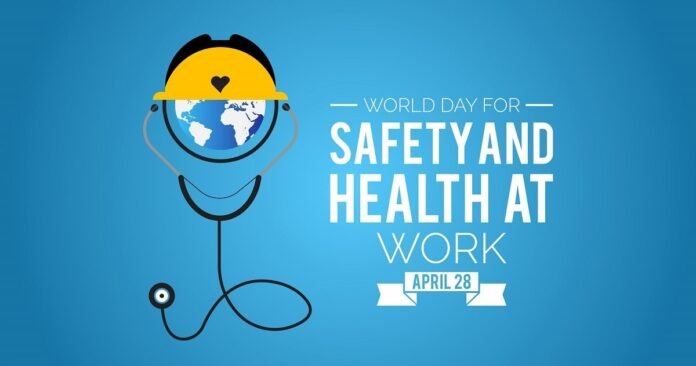
Observed annually on April 28, the World Day for Safety and Health at Work highlights the importance of creating safe, healthy, and dignified working conditions across the globe. Led by the International Labour Organization (ILO), the day serves as a reminder that workplace safety goes beyond physical protection—it also encompasses mental and emotional well-being.
History and Purpose
The observance was established by the ILO in 2003 to promote the prevention of occupational accidents and diseases worldwide. It also coincides with the International Commemoration Day for Dead and Injured Workers, making it both a day of awareness and remembrance. Over the years, the focus has evolved to address emerging workplace challenges, including stress, burnout, and the psychological impact of modern work environments.
Theme for 2026
The theme for 2026, “Ensuring a healthy psychosocial working environment,” shifts the spotlight toward mental health in professional spaces. It emphasises how workplace culture, leadership styles, and organisational systems directly influence employees’ psychological well-being.
In today’s fast-paced and often high-pressure work settings, issues such as stress, anxiety, and burnout have become increasingly common. The theme encourages employers and organisations to build environments where open communication, work-life balance, and strong support systems are prioritised. By doing so, workplaces can foster not just productivity, but also overall well-being.
Significance and Importance
The significance of this day lies in its holistic approach to safety. While traditional workplace safety focused on preventing physical injuries, there is now growing recognition that mental health is equally critical. A positive psychosocial environment helps employees feel valued, secure, and motivated.
Healthy workplaces contribute to stronger teamwork, increased innovation, and better decision-making. When individuals feel mentally supported, they are more likely to perform effectively and contribute meaningfully to organisational goals. Conversely, neglecting mental health can lead to decreased productivity, absenteeism, and long-term health issues.
Why It Matters Today
In an era defined by rapid technological change, remote work, and evolving job expectations, maintaining mental well-being has become a pressing concern. The 2026 theme underscores the need for organisations to adapt—by promoting empathy, inclusivity, and flexibility in the workplace.
Conclusion
World Day for Safety and Health at Work 2026 is a call to action for employers, policymakers, and individuals alike. It reminds us that a truly safe workplace is one where both the body and mind are protected. By nurturing a healthy psychosocial environment, organisations can empower individuals to thrive—building stronger teams, fostering innovation, and shaping a more resilient future for all.