

As temperatures soar across Rajasthan and much of northern India, traditional wisdom offers time-tested dietary solutions to cope with the intense heat. Among these, chhach (buttermilk) and ker sangri stand out—not just as cultural staples, but as powerful summer survival foods rooted in both nutrition and climate adaptability.
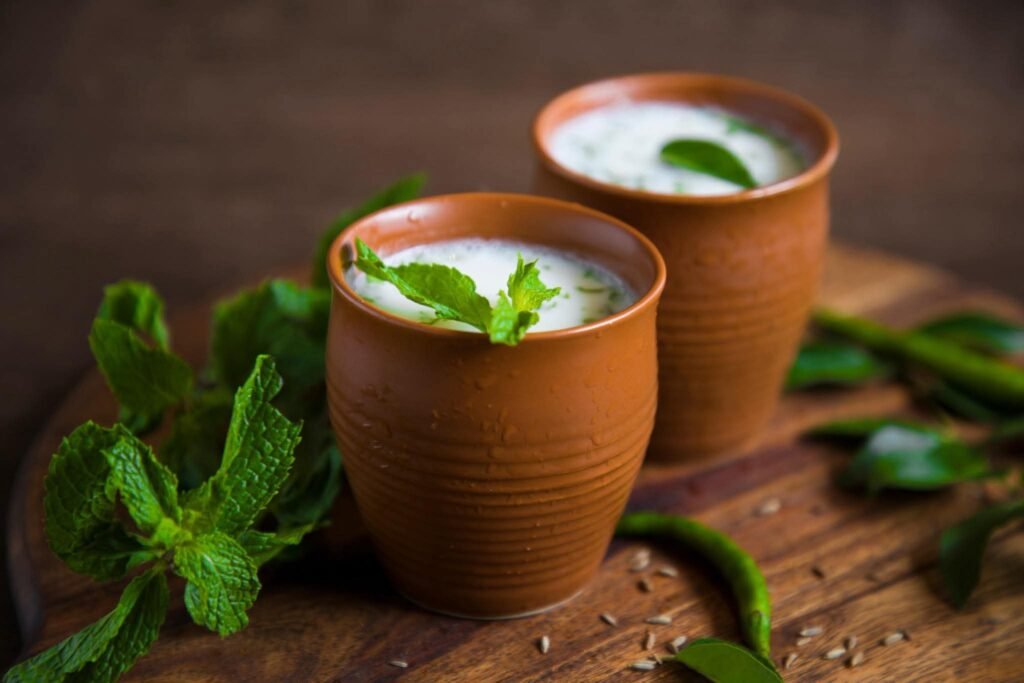
Chhach, a diluted yogurt-based drink, has long been a household essential during scorching summers. Light, hydrating, and easy to digest, it helps maintain the body’s fluid balance while aiding digestion. Rich in probiotics, chhach promotes gut health, which is especially important in summer when digestive issues become more common. It also contains electrolytes like potassium and sodium, helping replenish what the body loses through sweat. Often seasoned with roasted cumin, black salt, mint, or curry leaves, chhach is not only refreshing but also cooling in nature, making it ideal for preventing heatstroke and fatigue.
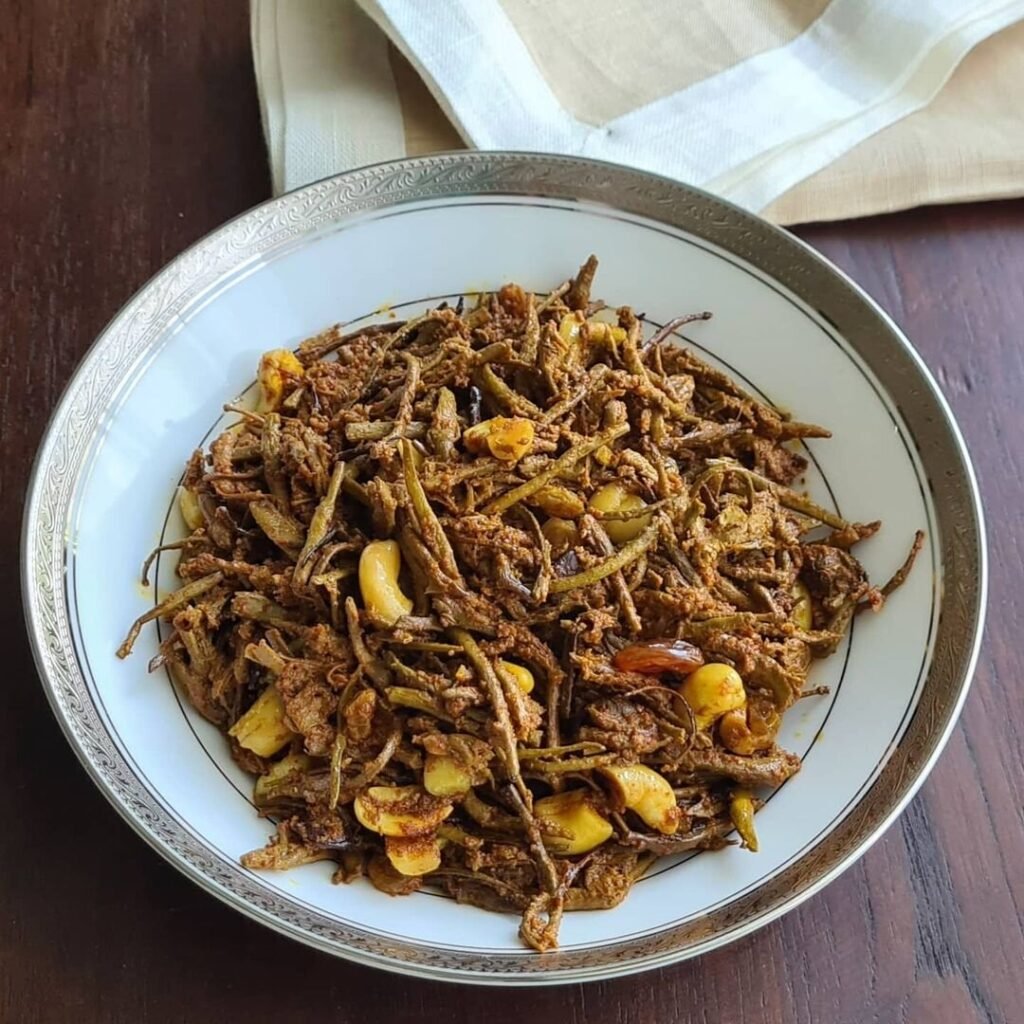
Equally fascinating is Ker Sangri, a traditional dish that reflects the resilience of desert life. Made from dried berries (ker) and beans (sangri) found in the arid regions of Rajasthan, this dish is a nutritional powerhouse. Despite growing in harsh conditions, ker and sangri are rich in fiber, essential minerals, and antioxidants. Their high nutrient density helps sustain energy levels in extreme climates where fresh vegetables are scarce.
What makes ker sangri particularly suitable for summers is its method of preparation and preservation. The ingredients are sun-dried, which not only extends their shelf life but also retains their nutritional value. When cooked—typically with spices, yogurt, or buttermilk—it becomes a tangy, slightly spicy dish that stimulates appetite, often suppressed in hot weather. Its low water requirement and long storage life historically made it a staple for desert communities, showcasing how food evolved in harmony with the environment.
Together, chhach and ker sangri represent more than just cuisine—they are examples of climate-smart eating. While chhach cools the body from within and keeps dehydration at bay, ker sangri provides sustained nutrition without burdening digestion. In an era where modern diets often overlook seasonal needs, these traditional foods remind us of the importance of eating in sync with nature.
As heatwaves become more frequent and intense, revisiting such indigenous food practices is not just nostalgic—it’s practical. Sometimes, the best solutions to modern problems lie in age-old traditions, served in a simple glass of chhach or a humble plate of ker sangri.