

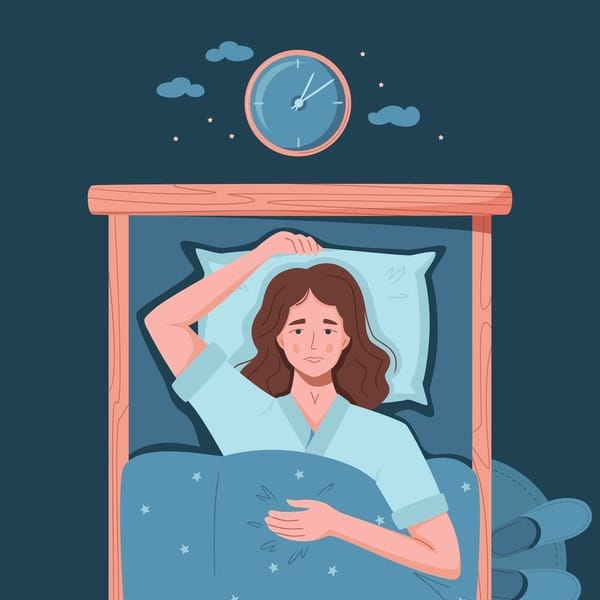
Your chronotype—your body’s natural preference for sleeping and waking times—is partly wired into your genes. While “early birds” thrive in the morning, “night owls” feel most alert in the evening. However, research, including a pivotal 2023 study from Finland published in Chronobiology International, suggests that night owls face a 9% higher risk of premature death compared to their morning counterparts. The good news? This increased risk isn’t directly tied to late sleep schedules but to lifestyle factors often associated with night owls. By addressing these habits, evening types can mitigate risks and lead healthier lives.
Why Night Owls Face Higher Health Risks
The Finnish study pinpointed several lifestyle factors that contribute to night owls’ elevated mortality risk, largely driven by their misalignment with society’s morning-centric schedules. These include:
Irregular Sleep Patterns: Night owls often face “social jet lag,” where early work or school schedules force them to wake up before their body is ready, leading to chronic sleep deprivation.Unhealthy Diet: Late-night eating and skipping breakfast are common among night owls, disrupting metabolism and nutrition balance.Sedentary Lifestyle: Studies show night owls tend to exercise less and have lower aerobic fitness, increasing health risks.Increased Stress: The constant clash between their internal clock and external demands can cause psychological stress, impacting mental well-being.Higher Disease Risk: Night owls are more prone to psychological disorders, diabetes, metabolic issues, and cardiovascular problems, often linked to these lifestyle factors.Notably, the study found that night owls who avoid smoking and limit alcohol consumption show no significant difference in mortality risk compared to early birds, highlighting the critical role of lifestyle choices.
Strategies for Night Owls to Thrive
Night owls aren’t destined for poor health. By adopting targeted strategies, they can align their habits with better outcomes:Practice Good Sleep Hygiene: Stick to a consistent sleep schedule, even on weekends, to stabilize your body’s internal clock.Control Light Exposure: Seek morning sunlight to reset your circadian rhythm and reduce evening screen time to minimize blue light’s impact on melatonin production.Adopt Healthier Habits: Reducing alcohol and tobacco use, eating balanced meals earlier, and incorporating regular exercise can significantly lower health risks.Advocate for Flexibility: Where possible, night owls should push for later work or school start times to better align with their natural rhythms, reducing stress and improving productivity.Building a Sleep-Friendly RoutineCreating a conducive sleep environment and routine is key to improving sleep quality for night owls and beyond. Here’s how to optimize your sleep habits:Establish a Consistent Schedule: Go to bed and wake up at the same time daily, including weekends, to regulate your body’s clock.Create a Relaxing Bedtime Ritual: Wind down with calming activities like reading, taking a warm bath, or listening to soothing music to signal sleep readiness.
Optimize Your Sleep Environment
Ensure Darkness use blackout curtains and eliminate light-emitting devices to create a dark bedroom.Maintain Quiet block noise with earplugs or a white noise machine. Keep It Cool aim for a bedroom temperature of 65-68°F (18-20°C) for optimal sleep comfort.Sleep-Only Zone reserve your bedroom for sleep and intimacy to strengthen sleep associations.
Adjust Diet and Habit avoid stimulants skip caffeine and nicotine in the afternoon and evening to prevent sleep disruption.Limit Heavy Meals and Alcohol avoid large meals or alcohol close to bedtime to ensure deeper, restorative sleep.Reduce Screen Time stop using electronics 30-60 minutes before bed to protect melatonin production.Get Natural Sunlight aim for at least 30 minutes of daily sunlight exposure to support a healthy circadian rhythm.Manage Sleep Challenges Don’t Force Sleep if you can’t sleep after 20 minutes, engage in a low-light, relaxing activity until sleepy.Exercise Regularly physical activity improves sleep quality, but avoid intense workouts near bedtime.Seek Professional Help consult a healthcare provider if sleep issues persist to identify underlying causes and receive tailored guidance.
Empowering Night Owls for a Healthier Future
Being a night owl doesn’t mean you’re doomed to poor health. By understanding the risks tied to lifestyle choices and making intentional changes, evening types can thrive. From better sleep hygiene to advocating for schedules that suit their natural rhythms, night owls can take control of their well-being. With practical adjustments and a supportive environment, they can turn the challenges of their chronotype into opportunities for a balanced, healthy life.