

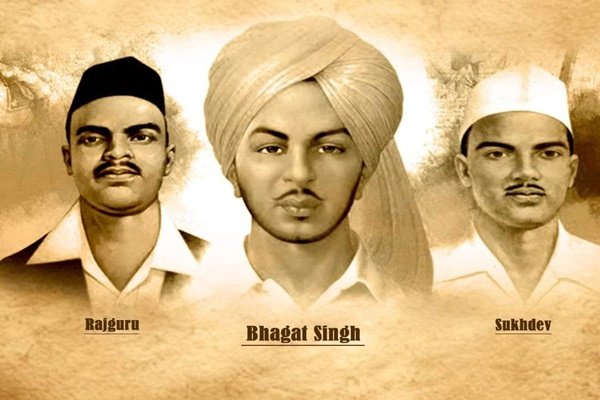
On March 23, India bows its head in solemn pride, remembering three extraordinary revolutionaries—Bhagat Singh, Shivaram Rajguru, and Sukhdev Thapar—who embraced martyrdom for the dream of a free nation. The 95th anniversary of their execution, observed as Shaheed Diwas, is not just a day of remembrance, but a powerful reaffirmation of courage, sacrifice, and unwavering patriotism.
The Story of Defiance and Sacrifice
The lives of these three revolutionaries were defined by an unyielding resistance to British colonial rule. As members of the Hindustan Socialist Republican Association, they believed that freedom was worth every sacrifice.
In 1928, seeking justice for the death of Lala Lajpat Rai, they carried out the assassination of British officer John Saunders in Lahore. Bhagat Singh later courted arrest by throwing non-lethal bombs in the Central Legislative Assembly, using the trial as a platform to awaken the nation.
Their actions were not driven by hatred, but by a fierce love for their motherland and a desire to shake a nation out of submission.
On March 23, 1931, the British executed all three in Lahore Central Jail. They walked to the gallows with fearless resolve, reportedly raising slogans of revolution—turning their final moments into an enduring symbol of resistance.
Courage Beyond Years
What makes their story even more remarkable is their youth. Bhagat Singh was just 23, Sukhdev 23, and Rajguru only 22 when they were executed. Yet, their clarity of thought, intellectual depth, and fearless action surpassed generations.
Bhagat Singh’s writings and ideas reflected a revolutionary mind that went beyond political freedom—he envisioned a just, equal, and awakened society. Rajguru’s courage and precision, and Sukhdev’s dedication and organizational strength, made them a formidable force in the freedom movement.
They did not merely fight the British Empire—they challenged fear itself.
A Legacy That Still Inspires India
Nearly a century later, their legacy continues to live in the heartbeat of India. Their sacrifice intensified the freedom struggle and awakened a sense of unity and urgency among Indians. Over time, Bhagat Singh became a symbol of youthful rebellion and national pride, inspiring generations across ideological lines.
From textbooks to public discourse, from slogans to silent tributes, their names evoke deep respect and emotion. The memorial at Hussainiwala in Punjab stands as a reminder of where their mortal remains were laid to rest, but their spirit transcends geography and time.
Prime Minister’s Tribute: Honouring the Spirit of Sacrifice
Marking the occasion, Prime Minister Narendra Modi paid heartfelt tribute to the martyrs, remembering their unparalleled bravery and commitment to India’s freedom.
In his message, he described them as “brave sons of Bharat Mata,” emphasizing that their sacrifice remains etched in the nation’s collective memory. He highlighted how, at such a young age, they displayed extraordinary courage and chose the path of sacrifice without hesitation, placing the nation above their own lives. Their ideals of justice, patriotism, and fearless resistance, he noted, continue to ignite the spirit of countless Indians even today.
More Than Martyrs—Eternal Ideals
Shaheed Diwas is not just about remembering history—it is about renewing a pledge. The lives of Bhagat Singh, Rajguru, and Sukhdev remind us that true patriotism lies in courage, conviction, and the willingness to stand up for what is right.
Their martyrdom was not an end, but a beginning—a spark that ignited a nation’s journey to independence.
As India marks 95 years since their sacrifice, their message still echoes powerfully:
freedom must be cherished, protected, and constantly redefined through justice, equality, and fearless thought.
The nation does not mourn them—it salutes them.