

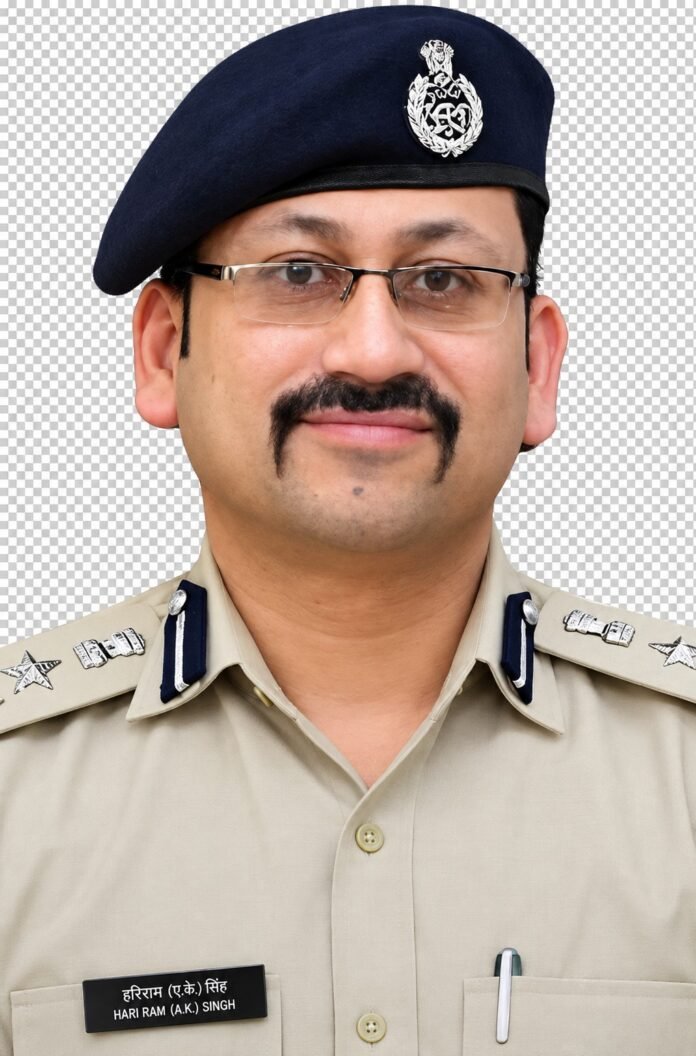
Ratlam Range DIG discusses cybercrime, drug trafficking, road safety and building stronger police-public relations.
In a conversation with Radio Vibes 88.8 FM, Ratlam, Nimish Agarwal, IPS, Deputy Inspector General of Police, Ratlam Range, discusses emerging policing challenges, technology-led interventions and why building a safer society requires active citizen participation.
Q. What defines a good police officer: authority, sensitivity or public trust?
Nimish Agarwal: The police and the entire administrative system work for the people. Therefore, public trust is extremely important. Firm decisions are sometimes necessary, but sensitivity, leadership and the ability to inspire confidence among citizens are equally essential.
“People should consider the police their friends and approach us whenever they need help.”
– Nimish Agarwal, IPS | DIG, Ratlam Range
Q. You recently arranged hospital assistance for a road accident victim using your official vehicle. What prompted your action?
Nimish Agarwal: I acted simply as a citizen. The accident happened in front of me, and I felt responsible for ensuring that the injured person received medical assistance.
Road accidents remain a major concern. Nearly 200 people had died in road accidents in Ratlam district. Timely assistance during the golden hour can save lives. People should not hesitate to help accident victims out of fear of legal complications. Good Samaritans are protected under applicable provisions, and eligible individuals may also receive incentives under the relevant government scheme.
Q. How is technology changing policing in Ratlam Range?
Nimish Agarwal: The Kavach app enables real-time monitoring of police patrolling, particularly in residential areas where residents have raised concerns about police visibility at night. We are also digitising beat policing, allowing personnel to monitor their assigned areas and gather local information more systematically.
The initiative has improved police movement in several localities. However, technology alone cannot eliminate crime. Staff shortages and limited resources remain challenges, so our focus is on deploying available resources more effectively.
Q. Digital arrest scams and online fraud are becoming increasingly sophisticated. What should citizens remember?
Nimish Agarwal: People should think before clicking on links or downloading files received through messaging platforms. Suspicious applications and unrealistic online offers can be tools for fraud.
Digital arrest scams are particularly concerning because criminals impersonate police officers, judges and government officials, sometimes creating fake police stations and courtrooms during video calls. Citizens must understand that government agencies do not conduct arrests or court proceedings through threatening video calls. Never transfer money under pressure. Verify the claims and contact the police if fraud is suspected.
Families should also watch for unusual behaviour, such as prolonged secretive video calls or suspicious financial transactions, and intervene promptly.
Q. Ratlam-Mandsaur-Neemuch has long faced narcotics challenges. How is the police tackling synthetic drugs?
Nimish Agarwal: Some networks historically associated with opium and doda chura have shifted towards synthetic drugs, including MD and brown sugar. Clandestine manufacturing facilities and chemical supply chains make this a complex challenge.
Investigations have indicated that drugs manufactured in the region are supplied to markets including Mumbai, Indore, Kota, Udaipur and Delhi. We are tracing supply networks and coordinating with central and state enforcement agencies to identify and dismantle illegal operations.
However, enforcement must be accompanied by prevention. Families, schools and colleges should provide counselling and support to young people, particularly those facing peer pressure or stress. Young people struggling with addiction need rehabilitation, while those involved in supplying drugs must face appropriate legal action.
Q. What are the priorities for improving road safety and women’s security?
Nimish Agarwal: Our road safety strategy focuses on education, enforcement and engineering. We are identifying accident-prone routes, addressing dangerous crossings in coordination with the relevant authorities, checking drunk driving and educating commercial vehicle drivers. Fatigue and excessive speed are also serious concerns on highways, particularly during early morning hours.
Women’s safety requires equally prompt and sensitive intervention. Complaints must be handled seriously, investigated properly and monitored to ensure accountability. We also conduct awareness programmes on stalking, harassment, consent and online abuse. Creating fake profiles or misusing someone’s photographs and personal information to harass them can have serious legal consequences.
Q. What responsibility do citizens have in preventing fake news and inflammatory content?
Nimish Agarwal: Citizens must verify information before forwarding messages or videos, particularly content that promotes hostility on the basis of caste, religion or community. A single forward can reach thousands through repeated sharing. Refusing to circulate unverified or inflammatory content can break that chain and help maintain peace.
Q. What is your message to young people and the wider public?
Nimish Agarwal: People should consider the police their friends and approach us whenever they need help. We may not have a solution to every problem, but we will make every effort to assist within the law.
Young people must recognise their potential and use their energy constructively. Whether it is drugs, cybercrime or the temptation of easy money, shortcuts can have serious consequences. Hard work may take longer, but the values, discipline and character developed along the way remain valuable throughout life.