

PC(The Guardian)
Kazakhstan is making significant strides in wildlife conservation by launching an ambitious project to reintroduce tigers to the wild for the first time in over 70 years. The initiative focuses on restoring the ecosystem in the Ile-Balkhash State Nature Reserve in the South Balkhash region near Lake Balkhash, with the goal of establishing a viable population of approximately 50 tigers by 2035.
Habitat Restoration Through Tree Planting a key part of the project is the restoration of tugai riparian forests, which provide essential habitat and cover for tigers and their prey. Kazakhstan has already planted tens of thousands of trees in the area 37,000 seedlings (including willow, oleaster, and turanga poplar) were planted in 2025 alone. An additional 50,000 trees were planted between 2021 and 2024. This tree-planting effort is part of Kazakhstan’s broader national goal to plant 2 billion trees by 2027. The restored habitat is already showing positive results, with increased sightings of wild prey animals such as Bukhara deer and wild boar, indicating that the ecosystem is beginning to recover.
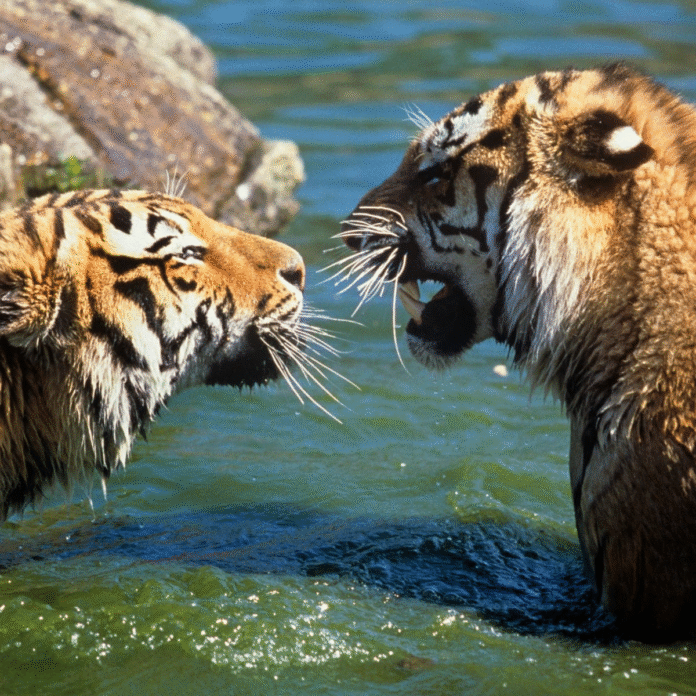
The project uses Amur tigers from Russia as a proxy species, as they are the closest genetic relatives to the extinct Caspian tiger that once roamed the region. In September 2024, two Amur tigers named Bodhana and Kuma arrived from a sanctuary in the Netherlands. They are currently living in a large semi-wild enclosure, where they are being monitored with hopes they will breed. Between January and June 2026, 3 to 4 wild Amur tigers are expected to be transported from Russia to Kazakhstan. Kazakh specialists have received training in Russia to manage the release and monitor the tigers effectively. The first wild tigers are anticipated to be released into the reserve in the first half of 2026.
The rewilding project goes beyond ecology by actively involving local communities. Initiatives include Educational programs to raise awareness about tiger conservation. Compensation schemes for any livestock losses to reduce human-wildlife conflict. Small grants from WWF Central Asia to help villages develop sustainable businesses and agriculture. These measures aim to ensure that local people benefit from the project and support the return of tigers to their ancestral homeland.
A Historic Conservation Effort once completed, the project is expected to create a healthy, functioning ecosystem that supports not only tigers but also other wildlife and improves the overall environment around Lake Balkhash. By combining large-scale tree planting, careful species reintroduction, and community engagement, Kazakhstan is setting an inspiring example of large-scale rewilding in Central Asia. This effort demonstrates how habitat restoration and international cooperation can help bring back species long thought lost from a region, offering hope for both biodiversity and sustainable development.