

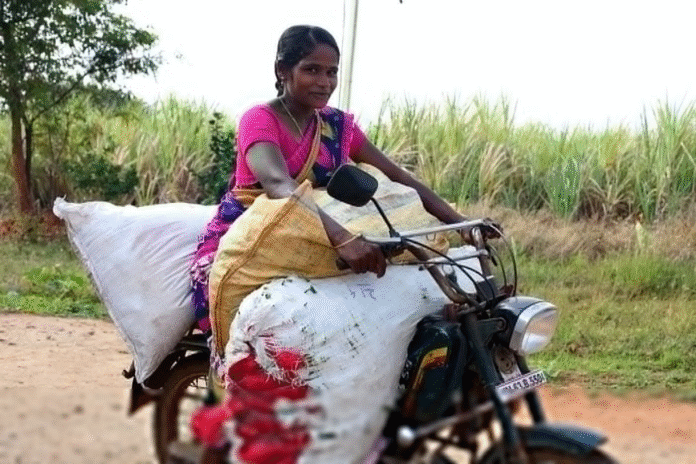
Journalists working in small towns and rural areas face different challenges than those in big cities. These problems affect the quality of news coverage that rural communities receive.
Let’s talk about some of the issues:
Poor Technology and Internet Access
One of the biggest challenges is the lack of modern technology. Many rural areas still do not have reliable internet connections.
Rural communities worldwide struggle with poor digital infrastructure. They struggle to upload photos and videos, verify facts online, or publish stories on social media.
However, as a rural journalist, it’s important that you check your Wi-Fi speeds to upload multimedia content and video call with editors.
Money Problems
Financial challenges are huge barriers for rural journalism.
Most media companies focus their money and attention on big cities because that is where they can get more readers and advertising revenue.
Rural areas attract fewer advertisers, so news organizations often invest little in covering these communities.
Rural reporters are either not paid at all or only receive pocket money to cover travel expenses.
Lack of Training and Support
Rural journalists often lack proper professional training.
Journalism schools lack specialized courses in rural reporting, so journalists are not prepared to cover small communities.
Without proper training, it becomes difficult to produce high-quality news stories that meet professional standards.
Safety and Security Threats
Rural journalists face serious safety risks, especially when reporting on sensitive topics like corruption, illegal activities, or government failures.
Since rural communities are small and everyone knows each other, journalists who write critical stories can easily become targets for threats or violence.
In some areas, journalists investigating issues like misuse of government funds or illegal activities have been attacked, arrested, or even killed.
Limited Access to Information
In rural areas, it is much harder to obtain reliable information. It is easy for city journalists to access official documents, press releases, and interviews.
Rural journalists often rely on word of mouth or whatever they can learn from local residents.
In rural areas, journalists have greater difficulty obtaining official documents.
Poor Infrastructure
Many rural areas lack reliable electricity, which makes it hard to charge equipment or work during power outages.
Poor road conditions make it expensive and time-consuming to travel to different locations for stories.
These infrastructure problems slow down the entire news-gathering and publishing process.
Poor internet connectivity compounds these issues, and journalists often need to test their connection results to understand limitations.
Declining Local Newspapers
In recent years, thousands of local newspapers have shut down across many countries.
For example, in the United States, more than 3,300 newspapers have closed since 2005, leaving many rural communities without any local news source.
When local papers close, it is often because the elderly owners cannot find anyone to take over the business.