

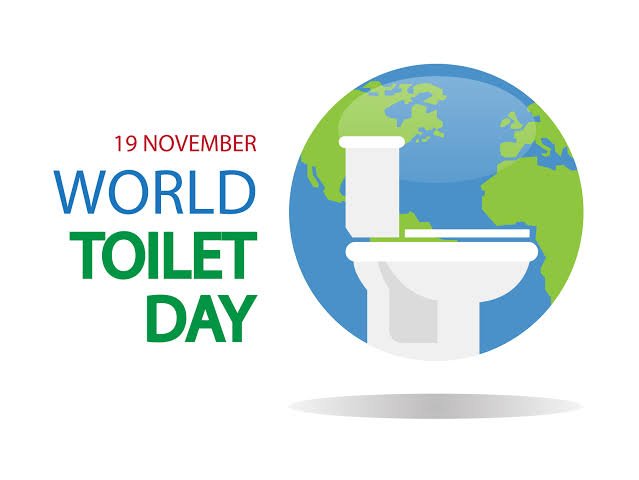
World Toilet Day is observed every year on November 19 to highlight the importance of safe sanitation and raise awareness about the global sanitation crisis. The day draws attention to the millions of people who continue to live without access to proper toilets and hygienic sanitation facilities. Beyond being a basic necessity, access to toilets is closely connected with public health, human dignity, environmental protection, education and social equality.
The observance was established by the World Toilet Organization in 2001 and was officially recognised as a United Nations observance in 2013. Coordinated by UN-Water, World Toilet Day aims to encourage governments, organisations and individuals to take action towards achieving Sustainable Development Goal 6 (SDG 6), which calls for clean water and sanitation for all by 2030.
The theme for World Toilet Day 2026 is ‘Sanitation and Gender Equality’, with the campaign slogan ‘Safe Toilets. Equal Futures.’ This year’s campaign highlights how access to clean, safe and secure toilets can protect the health, safety and dignity of women and girls while creating opportunities for education, employment and greater participation in society. It also emphasises the importance of providing soap, clean water and menstrual hygiene facilities alongside proper sanitation infrastructure.
According to UN-Water, approximately 3.4 billion people worldwide still lack access to safely managed sanitation services. The sanitation crisis affects communities across the world, particularly those living in poverty, remote regions and areas with inadequate public infrastructure. The absence of proper toilets forces many people to depend on unsafe alternatives, increasing their exposure to diseases and environmental contamination.
Sanitation plays a particularly important role in women’s lives. In many communities, the absence of private and hygienic toilets creates difficulties for women and girls at home, schools, workplaces and public spaces. Lack of menstrual hygiene facilities can affect girls’ school attendance, while inadequate public sanitation can restrict women’s mobility, safety and participation in economic activities. Access to secure toilets, therefore, is not merely an infrastructure issue but an important aspect of gender equality.
Poor sanitation also poses serious public health challenges. Improper disposal of human waste can contaminate drinking water, soil and food sources, contributing to the spread of waterborne diseases such as diarrhoea, cholera and typhoid. Children are particularly vulnerable to infections caused by unsafe water and unhygienic surroundings. Proper toilets, wastewater treatment, handwashing facilities and regular maintenance are essential for preventing disease and creating healthier communities.
In India, sanitation has remained an important part of the country’s public health and development agenda. The Swachh Bharat Mission, launched on October 2, 2014, marked a major national initiative to improve sanitation, eliminate open defecation and promote cleanliness. The mission was implemented in two phases, with the second phase focusing on sustaining open-defecation-free status and improving solid and liquid waste management. It also encouraged behavioural changes by making cleanliness and sanitation a shared social responsibility.
However, constructing toilets is only one part of the larger challenge. Their regular use, cleanliness, maintenance, accessibility and proper waste management are equally important. Sanitation facilities must be designed to meet the needs of children, elderly people and persons with disabilities, while ensuring privacy and safety for women and girls. Public institutions, schools, hospitals, transport facilities and workplaces also require adequate and well-maintained toilets.
World Toilet Day serves as a reminder that sanitation is a basic human right and an essential foundation for sustainable development. Governments must continue investing in sanitation infrastructure, while communities and individuals need to adopt responsible hygiene practices and support cleanliness initiatives.
Ultimately, a safe toilet represents much more than a basic facility. It protects health, preserves dignity, supports education and creates opportunities for a better quality of life. As the 2026 theme, ‘Safe Toilets. Equal Futures.’, highlights, ensuring access to safe sanitation for everyone is an important step towards building a healthier, safer and more equal world.