

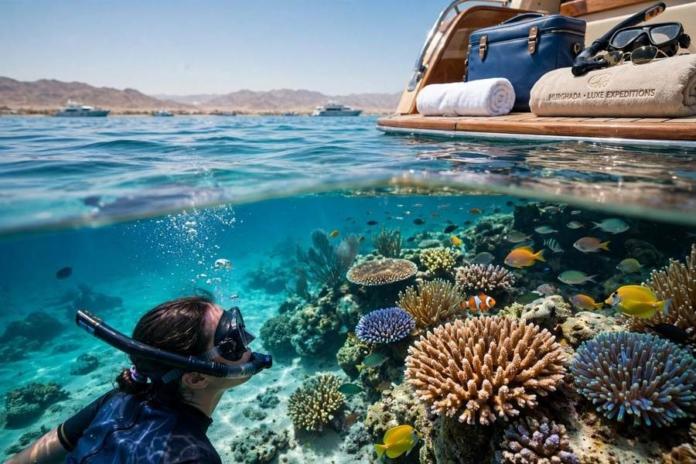
Travel Trends 2027: The way people travel is changing, with holidays increasingly shaped by personal interests, emotional well-being, human connections and the desire for unique experiences. In 2027, travellers are expected to move beyond conventional sightseeing and seek journeys that offer something more meaningful, memorable and immersive.
From fantasy-inspired destinations and nostalgic holidays to one-night getaways and experience-led travel, emerging trends indicate that people want their vacations to reflect their personalities, relationships and changing lifestyles.
According to travel industry predictions and consumer surveys, seven major travel trends are expected to shape holiday choices in 2027.
1. Fantasy Travel: Exploring Destinations That Feel Like Another World
Fantasy-inspired travel is expected to gain popularity in 2027 as tourists increasingly seek destinations that offer extraordinary landscapes, mystical experiences and a sense of wonder.
Ancient ruins, dramatic mountains, spectacular stargazing locations and places associated with myths and folklore are attracting travellers looking for an escape from everyday life.
According to Booking.com’s 2027 travel predictions, 65% of surveyed travellers expressed interest in paranormal travel experiences, including haunted histories and supernatural encounters.
Pinterest Predicts 2026 also reported growing interest in mystical landscapes, with searches for “Scotland Highland aesthetic” increasing by 465% and “ethereal places” by 45%.
The popularity of fantasy and romantasy fiction, which combines romance and fantasy, is also influencing travel choices.
Where to go: Zermatt in Switzerland, surrounded by spectacular Alpine peaks, has attracted attention from fans of Sarah J. Maas’ fantasy series A Court of Thorns and Roses, who associate its landscapes with the fictional city of Velaris.
2. Boys’ Trips Get a New Meaning: Travel for Friendship and Emotional Well-being
Traditional boys’ holidays, often associated with golf weekends and adventure activities, are evolving into experiences centred on friendship, emotional well-being and meaningful conversations.
In 2027, men’s group retreats are expected to place greater emphasis on self-reflection, mental well-being and strengthening personal relationships.
According to a 2027 travel trends report by Lemongrass, men’s retreats are increasingly creating opportunities for open conversations about loneliness, burnout, work-life balance and changing expectations around masculinity.
Citing research from Bupa UK, the report notes that 50% of men have experienced mental health difficulties.
Explorer Levison Wood observes that men often communicate more openly when they are engaged in shared activities such as walking, camping, preparing meals or overcoming challenges together.
Where to go: Both Sides Retreats in the UK offer experiences designed to help men reconnect with themselves, explore their sense of purpose and build meaningful relationships.
3. Nostalgia Holidays: Adults Rediscover the Joy of Childhood
Another emerging travel trend for 2027 is the desire to rediscover childhood happiness through holidays that encourage adults to embrace their playful side.
Known as “un-adulting” travel, this trend involves swapping everyday responsibilities for carefree experiences, including theme parks, water parks, adventure activities and entertainment-focused holidays.
According to Expedia, 57% of surveyed travellers are likely to book an un-adulting trip in 2027. The figure rises to 71% among Gen Z and millennial travellers.
Travel companies are responding with experiences designed specifically for adults. Walt Disney World has introduced an adults-only lounge at Epcot and offers late-night theme park events. Universal Studios Japan has also introduced an adults-only Halloween Horror Nights overnight experience.
Adults-only resorts and cruises are also gaining attention among travellers seeking hassle-free holidays.
Where to go: Princess Senses The Mangrove Resort in Jamaica offers an adults-only all-inclusive experience with access to water-park attractions.
4. People Over Pixels: Human Connections Become a Travel Priority
As artificial intelligence becomes increasingly integrated into daily life, travellers are placing greater value on something technology cannot easily replicate: genuine human interaction.
Although AI is increasingly being used for travel planning, bookings and recommendations, people are also seeking holidays that allow them to spend quality time with family, friends and fellow travellers.
According to Hilton’s 2027 Trends Report, 60% of surveyed travellers are more interested in water-based wellness activities when they can enjoy them with others.
Skyscanner has also reported an increase in large-group bookings, while a Priceline survey found that 66% of Americans would be willing to pay extra for exceptional personal attention.
This shift suggests that shared experiences, group activities, personalised hospitality and meaningful conversations will become important parts of holiday planning.
Where to go: Evermore Resort in Orlando, Florida, has developed a relational wellness approach in partnership with social scientist Kasley Killam. Its experiences include shared dinners, group activities and conversation starters designed to strengthen relationships among families and friends.
5. Hobby Holidays: Travelling to Learn Something New
For many travellers, holidays are no longer just about relaxation and sightseeing. They are increasingly becoming opportunities to discover new interests, develop skills and pursue hobbies.
Known as hobby holidays, these trips combine travel with activities such as photography, traditional crafts, cooking, language learning, gardening and antique hunting.
According to Hilton, Gen Z travellers are nearly twice as likely as baby boomers to want to return home with a new interest they can continue pursuing.
Holiday rental platform Vrbo has also reported growing demand for properties suited to hobby-focused holidays, including crafting retreats and photography weekends.
The trend reflects a growing interest in experiential learning and activities that offer enjoyment beyond conventional wellness experiences.
Where to go: Travellers can combine language learning with adventure by walking Spain’s Camino de Santiago. Responsible Travel offers experiences that include Spanish lessons alongside hiking through northern Spain.
6. Trip Snacking: The Growing Popularity of One-Night Getaways
Long holidays are no longer the only way people are choosing to travel. In 2027, shorter breaks, including one-night stays and quick weekend escapes, are expected to become increasingly popular.
This trend, known as “trip snacking”, involves taking bite-sized holidays between longer vacations. Travellers may plan a quick getaway around a concert, sporting event, special occasion or simply to take a break from their daily routine.
According to Hotels.com, 79% of surveyed travellers plan to book a one-night stay in the coming year, with the figure rising to 83% among Gen Z and millennials.
Searches for one-night getaways have also increased by nearly 10% year on year. Additionally, 71% of respondents said these shorter breaks help them manage the wait until their next major holiday.
Rising living costs, busy work schedules and economic uncertainty are among the factors contributing to the popularity of shorter trips.
Where to go: Staycation, a European hotel booking platform, offers short accommodation options for 24 hours, 48 hours and even a few hours, catering to travellers looking for quick breaks.
7. Unique Travel Experiences: One-of-a-Kind Holidays Replace Conventional Luxury
In 2027, travellers are expected to place greater value on experiences that cannot easily be replicated.
From exclusive cultural events and rare encounters with local communities to unusual adventures and access to lesser-known destinations, one-of-a-kind experiences are becoming an important part of travel planning.
FINN Partners describes this emerging concept as “unrepeatable travel”, where the appeal lies in the rarity, authenticity and exclusivity of an experience rather than simply its price.
Cultural futurist Jasmine Bina suggests that the meaning of travel status is also changing. While visiting famous destinations and luxury locations once reflected wealth, travellers are increasingly looking for experiences that offer unique access, knowledge and personal connections.
As social media makes conventional luxury experiences more accessible and easier to imitate, distinctive travel memories are becoming more valuable.
Travel in 2027: More Personal, Meaningful and Experience-Driven
The seven travel trends shaping 2027 point towards a broader transformation in the tourism industry. Travellers are increasingly looking beyond traditional sightseeing and luxury accommodation to seek emotional connections, personal growth, nostalgia, adventure and authentic experiences.
Whether it is exploring a fantasy-inspired landscape, taking a one-night break, learning a new hobby or reconnecting with friends, the future of travel is expected to be more individual and experience-driven.
Ultimately, in 2027, the most memorable holiday may not be the one that takes travellers the farthest, but the one that gives them an experience they will remember long after returning home.