

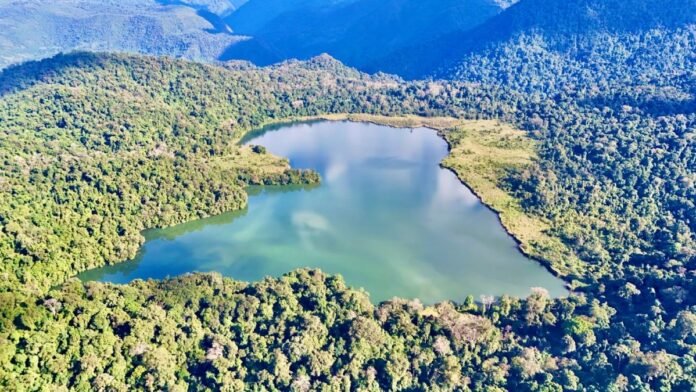
India has achieved another significant milestone in environmental conservation with the designation of Glaw Lake in Arunachal Pradesh as the country’s 101st Ramsar Site. The recognition not only expands India’s growing network of internationally important wetlands but also marks the first-ever Ramsar Site in Arunachal Pradesh, highlighting the ecological richness of the Eastern Himalayas.
The announcement was made by Union Minister for Environment, Forest and Climate Change Bhupender Yadav, who described the designation as a major step towards strengthening biodiversity conservation, water security, climate resilience and sustainable livelihoods. He noted that India’s Ramsar network has expanded from 26 sites in 2014 to 101 in 2026, reflecting the country’s increasing commitment to protecting its invaluable wetland ecosystems.
Located within the Kamlang Tiger Reserve and Wildlife Sanctuary in Arunachal Pradesh, Glaw Lake is a pristine freshwater ecosystem nestled in the Eastern Himalayan landscape. Fed by perennial mountain streams, the lake supports exceptional biodiversity and serves as an important habitat for numerous plant and animal species. Its surrounding catchment is home to more than 150 species of trees and 49 species of orchids, making it one of the region’s richest ecological hotspots.
The Ramsar designation is granted under the Ramsar Convention, an international treaty adopted in 1971 in Ramsar, Iran, for the conservation and wise use of wetlands. Sites included under the convention are recognised for their ecological, hydrological, botanical, zoological and environmental significance. The designation encourages countries to conserve these ecosystems while promoting their sustainable use for future generations.
Wetlands play a vital role in maintaining ecological balance. They act as natural water filters, recharge groundwater, reduce the impact of floods, store carbon, regulate local climates and provide habitats for countless species of birds, fish and wildlife. They also support the livelihoods of local communities through fishing, agriculture, eco-tourism and other nature-based activities.
For Arunachal Pradesh, the recognition is particularly significant. Despite being one of India’s richest biodiversity regions, the state had not previously featured on the Ramsar list. The inclusion of Glaw Lake places the state’s unique freshwater ecosystem on the global conservation map and is expected to boost scientific research, ecological monitoring and sustainable tourism while strengthening long-term protection efforts.
India has emerged as one of the leading countries in wetland conservation, with its Ramsar Sites spread across diverse ecosystems, from high-altitude Himalayan lakes and mangrove forests to coastal lagoons, floodplains and freshwater marshes. The steady expansion of the Ramsar network reflects a broader national focus on environmental sustainability, biodiversity conservation and climate action.
The recognition of Glaw Lake is more than just an addition to a prestigious international list. It underscores the importance of preserving fragile ecosystems that provide essential ecological services and support millions of lives. As climate change and habitat degradation continue to threaten wetlands worldwide, protecting these natural landscapes has become increasingly important.
With Glaw Lake joining the Ramsar network as India’s 101st site, the country has reaffirmed its commitment to conserving its natural heritage while promoting sustainable development. The designation stands as a reminder that safeguarding wetlands is not only about protecting biodiversity but also about securing water resources, strengthening climate resilience and ensuring a healthier environment for generations to come.