

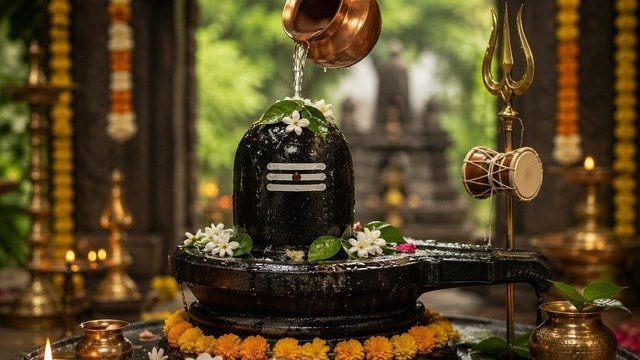
The holy month of Sawan, also known as Shravan, begins today, marking one of the most auspicious periods in the Hindu calendar dedicated to the worship of Lord Shiva. Revered by millions of devotees across India and Nepal, Sawan is a month of faith, fasting, prayer, and spiritual discipline. Temples dedicated to Lord Shiva witness an overwhelming influx of devotees, while the chant of “Har Har Mahadev” echoes across cities and villages alike.
Why is Sawan so significant?
According to Hindu scriptures, the month of Shravan is considered especially dear to Lord Shiva. One of the most popular legends associated with Sawan comes from the Samudra Manthan (churning of the cosmic ocean). During the churning, a deadly poison called Halahala emerged, threatening all creation. Lord Shiva consumed the poison to save the universe, holding it in his throat, which turned blue and earned him the name Neelkanth. Devotees believe that offering water, milk, and bel patra (bael leaves) to the Shivling during Sawan expresses gratitude and seeks the Lord’s blessings.
The month also coincides with the monsoon season, symbolising renewal, fertility, and new beginnings. The rains breathe life into nature, making Sawan a celebration of both spirituality and the abundance of the natural world.
Rituals observed during Sawan
Throughout the month, devotees observe several religious practices:
●Sawan Somwar Vrat: Mondays are considered the most sacred day for worshipping Lord Shiva. Many devotees observe day-long fasts, visit Shiva temples, and perform Rudrabhishek with water, milk, curd, honey, ghee, and sacred leaves.
●Kanwar Yatra: Thousands of Kanwariyas undertake pilgrimages to collect holy water from rivers such as the Ganga and offer it at Shiva temples.
●Daily prayers and chanting: Devotees recite the Maha Mrityunjaya Mantra, Om Namah Shivaya, and verses from the Shiva Purana.
●Offering Bel Patra: Bel leaves, dhatura flowers, sandalwood paste, fruits, and sacred water are commonly offered to Lord Shiva during worship.
●Many devotees also choose to follow a satvik diet during the month, avoiding onion, garlic, meat, and alcohol while focusing on simplicity, self-discipline, and devotion.
Sawan Somwar Dates 2026
This year, the holy month begins today, July 30, and concludes on August 28, 2026. The four Sawan Mondays fall on:
August 3 – First Sawan Somwar
August 10 – Second Sawan Somwar
August 17 – Third Sawan Somwar
August 24 – Fourth and final Sawan Somwar
Other important observances during the month include Hariyali Amavasya on August 12, Hariyali Teej on August 15, and Raksha Bandhan on August 28, the concluding day of Sawan.
More than rituals
While Sawan is known for its religious observances, its essence lies in self-reflection, gratitude, and inner purification. The month encourages devotees to practise compassion, patience, and restraint while strengthening their spiritual connection with Lord Shiva.
As temples prepare for special prayers and devotees begin their fasting rituals, Sawan once again brings with it a timeless reminder of faith, devotion, and hope. Whether through a simple prayer at home or an elaborate temple visit, the sacred month offers an opportunity to pause, reconnect with one’s beliefs, and embrace the values of humility and spiritual growth.
With the onset of Sawan today, the atmosphere across the country is set to transform into a celebration of unwavering devotion, echoing the eternal call of “Har Har Mahadev!”