

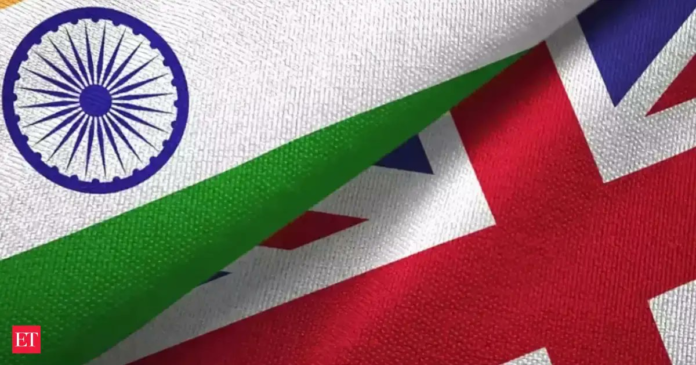
The India-UK Free Trade Agreement (FTA) officially comes into force today, ushering in a new phase of economic cooperation between the two countries. The landmark agreement is expected to make several British products—including Scotch whisky, luxury cars, cosmetics, chocolates, fashion, and medical devices—more affordable for Indian consumers, while giving Indian exporters duty-free access to one of the world’s largest markets.
Signed on July 24, 2025, by India’s Commerce Minister Piyush Goyal and the UK’s Business Secretary Jonathan Reynolds in the presence of Prime Minister Narendra Modi and UK Prime Minister Keir Starmer, the agreement concludes nearly three years of negotiations and 14 rounds of talks.
The FTA aims to double bilateral trade to $120 billion by 2030, strengthening investment, manufacturing, exports, and employment opportunities in both countries.
What Will Become Cheaper in India?
Indian consumers are expected to benefit from lower import duties on a range of premium British products.
| Product Category | Earlier Tariff | New Tariff | Likely Impact |
|---|---|---|---|
| Scotch Whisky & Gin | 150% | 75% initially, reducing to 40% over 10 years | Premium whisky prices could fall significantly |
| Luxury Cars (Jaguar, Land Rover, Rolls-Royce) | 100% | 10% (under quota) | Prices may decline by 20–30% |
| Cosmetics & Beauty Products | 15% | 3% | Imported skincare and beauty products become more affordable |
| Medical Devices | 15% | 3% | Lower healthcare equipment costs |
| Chocolates & Biscuits | Variable | Reduced | Imported food products become cheaper |
| Salmon & Lamb | High import duties | Reduced | Premium imported food at lower prices |
| Fashion & Footwear | Higher tariffs | Reduced | British brands become more affordable |
| Homeware & Furniture | Higher tariffs | Reduced | Lower prices for select imported products |
Example: Scotch Whisky Price
| Before FTA | After Initial Tariff Reduction |
|---|---|
| ₹5,000 bottle | Approximately ₹3,500 |
Actual retail prices may vary depending on taxes, distributor margins, and retailer pricing.
Big Gains for Indian Exporters
While Indian consumers gain access to cheaper imports, Indian businesses stand to benefit even more through duty-free access to the UK market.
Sector-wise Benefits
| Sector | Benefit |
|---|---|
| Textiles & Apparel | Zero UK duty on garments, home textiles, bedsheets, and curtains |
| Gems & Jewellery | Duty-free exports improve competitiveness |
| Leather Products | Better market access for footwear, bags, and accessories |
| Engineering Goods | Duty-free machinery, industrial tools, and auto components |
| Pharmaceuticals | Easier registration and faster market access in the UK |
| Tea & Spices | Zero tariffs boost exports of premium Indian products |
| Marine Products | Improved exports of shrimp and seafood |
| Chemicals | Lower tariffs on specialty chemicals and agrochemicals |
| Green Energy | Greater collaboration in solar, green hydrogen, and EV infrastructure |
Which Indian Regions Could Benefit?
| Industry | Key States/Cities |
|---|---|
| Textiles | Tiruppur, Surat, Ludhiana |
| Engineering | Pune, Chennai, Gurugram |
| Tea | Assam, West Bengal |
| Marine Products | Kerala, Gujarat |
| Chemicals | Gujarat, Maharashtra |
How Will the FTA Benefit India’s Economy?
Export Growth
- 99% of Indian exports will enjoy zero-duty access to the UK.
- India’s exports to the UK are projected to reach $29 billion by 2030.
Employment Generation
Labour-intensive industries such as textiles, leather, gems and jewellery, and food processing are expected to generate substantial new employment opportunities.
Boost for MSMEs
India’s 60 million Micro, Small and Medium Enterprises (MSMEs)—which contribute around 40% of the country’s exports—are expected to gain significantly from easier market access and improved competitiveness.
Increased Investments
The agreement is expected to encourage greater British investment in India across manufacturing, renewable energy, financial services, healthcare, education, and technology.
Key Takeaways
| For Consumers | For Businesses |
|---|---|
| Cheaper Scotch whisky, luxury cars, cosmetics, chocolates, fashion, and medical devices | Duty-free access for 99% of Indian exports |
| More premium British brands at competitive prices | Increased exports, investment, and employment |
| Greater product choices | Stronger opportunities for MSMEs and manufacturing |
Looking Ahead
The India-UK Free Trade Agreement marks one of India’s most significant trade partnerships in recent years. While Indian consumers are likely to enjoy lower prices on several premium British products, the bigger long-term impact could come from stronger exports, higher investments, job creation, and deeper economic ties—positioning both countries for sustained growth in the coming decade.