

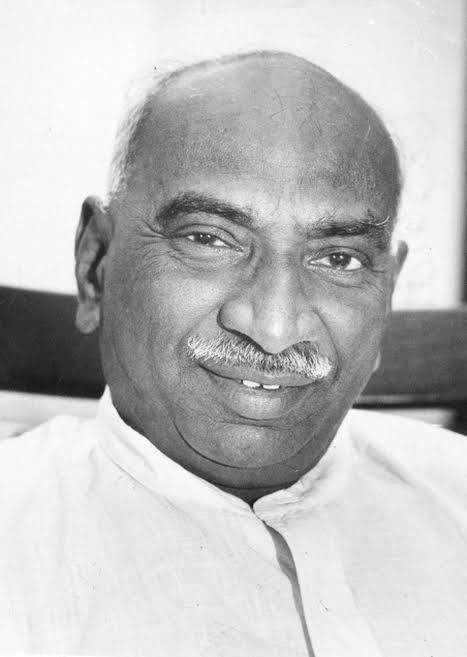
Every year on July 15, India remembers Kumaraswami Kamaraj, popularly known as K. Kamaraj or Perunthalaivar (Great Leader), on his birth anniversary. Revered as a freedom fighter, statesman and one of India’s most respected political leaders, Kamaraj is remembered for his simplicity, integrity and lifelong commitment to public service. Paying tribute to him on his birth anniversary, Prime Minister Narendra Modi described Kamaraj as a leader who dedicated his life to national development, social justice and the upliftment of the poor, with an enduring emphasis on education.
Born on July 15, 1903, in Virudhunagar in present-day Tamil Nadu, Kamaraj came from a modest family. Forced to leave school at a young age after his father’s death, he began working to support his family. Despite receiving little formal education, he became one of India’s most influential political leaders and a passionate advocate for making education accessible to every child.
Kamaraj joined the Indian National Congress during the freedom movement and actively participated in India’s struggle against British rule. He was imprisoned several times for his involvement in the independence movement. After Independence, he continued serving the nation through public life and emerged as one of the country’s most respected leaders.
As the Chief Minister of the erstwhile Madras State (1954–1963), Kamaraj introduced reforms that transformed education in the state. He expanded the network of schools, particularly in rural areas, ensuring that children from poor families had access to education. He is widely credited with introducing free education and expanding the mid-day meal scheme, encouraging thousands of children to attend school and reducing dropout rates. These initiatives earned him the title of one of the architects of Tamil Nadu’s educational progress.
Beyond education, Kamaraj focused on rural development, irrigation, industries and infrastructure. His administration witnessed the establishment of several dams, industries and public sector projects that laid the foundation for Tamil Nadu’s economic growth. Known for his clean image and simple lifestyle, he remained deeply connected with ordinary people throughout his political career.
Kamaraj also played a pivotal role in national politics. As President of the Indian National Congress between 1964 and 1967, he was instrumental in ensuring a smooth leadership transition after the deaths of Prime Ministers Jawaharlal Nehru and Lal Bahadur Shastri. His role in the selection of Lal Bahadur Shastri and later Indira Gandhi as Prime Ministers earned him the title of the “Kingmaker” of Indian politics.
In recognition of his immense contribution to the nation, Kamaraj was posthumously awarded the Bharat Ratna, India’s highest civilian honour, in 1976. His birth anniversary is also observed as Education Development Day in Tamil Nadu, celebrating his unparalleled contribution to expanding educational opportunities.
More than five decades after his passing, K. Kamaraj continues to be remembered as a leader who placed public welfare above personal ambition. His vision for universal education, social justice and honest governance remains an enduring inspiration, making him one of the most admired figures in India’s political history.