

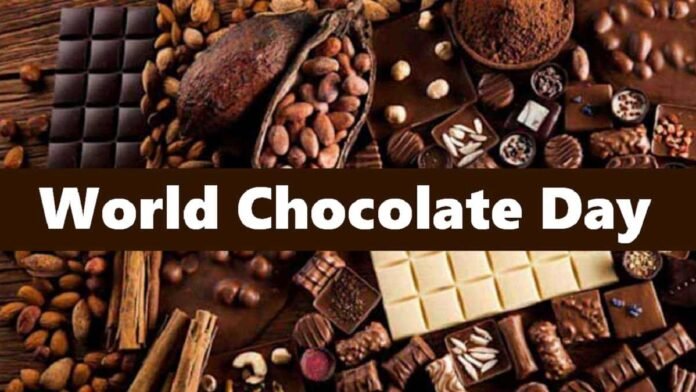
Few foods are loved as universally as chocolate. Whether it’s a creamy milk chocolate bar, a rich dark chocolate truffle, or a cup of hot cocoa, chocolate has a way of bringing comfort and joy to people of all ages. As World Chocolate Day, celebrated every year on July 7, approaches, it’s the perfect time to look beyond the wrapper and discover the remarkable journey that transforms a humble cocoa bean into one of the world’s favourite treats.
The story of chocolate begins in the tropical regions around the equator, where cocoa trees flourish in warm, humid climates. Countries such as Côte d’Ivoire, Ghana, Ecuador, and Indonesia are among the world’s leading cocoa producers. The trees bear colourful pods, each containing 20 to 50 cocoa beans nestled in a sweet white pulp.
Once harvested by hand, the beans are removed from the pods and left to ferment for several days. This is one of the most important stages in chocolate-making, as fermentation develops the distinctive flavour and aroma that chocolate lovers enjoy. The beans are then sun-dried before being packed and shipped to chocolate manufacturers across the globe.
At processing facilities, the dried beans are cleaned and roasted to bring out their rich taste. The shells are removed, leaving behind cocoa nibs, which are ground into a thick paste known as cocoa liquor. Despite its name, cocoa liquor contains no alcohol—it is simply pure cocoa in liquid form.
The cocoa liquor is then separated into cocoa solids and cocoa butter. By blending these ingredients in different proportions and adding sugar and, in the case of milk chocolate, milk powder, manufacturers create different varieties of chocolate. Dark chocolate contains a higher percentage of cocoa solids, giving it a more intense flavour, while milk chocolate is sweeter and creamier. White chocolate, on the other hand, is made using cocoa butter but contains no cocoa solids.
The chocolate mixture then undergoes refining and conching, a process that smooths its texture and enhances its flavour. Finally, it is tempered through carefully controlled heating and cooling, giving chocolate its glossy finish, firm texture, and satisfying snap. The finished chocolate is poured into moulds, cooled, packaged, and sent to stores around the world.
Behind every chocolate bar lies the hard work of farmers, food scientists, and skilled chocolatiers, making chocolate far more than just a sweet indulgence.
Sweet Chocolate Facts
☆It takes around 400 cocoa beans to produce just one pound of chocolate.
☆A single cocoa tree yields approximately 2,500 beans each year.
☆The world’s largest chocolate bar weighed 5,489 kilograms and was created in the United Kingdom in 2011.
☆White chocolate contains cocoa butter but no cocoa solids, which is why many experts do not classify it as “true” chocolate.
☆In India, Andhra Pradesh and Kerala are among the leading cocoa-producing states, contributing significantly to the country’s cocoa cultivation.
This World Chocolate Day, as you unwrap your favourite chocolate, take a moment to appreciate the extraordinary journey behind every bite. From tropical plantations to sophisticated manufacturing processes, chocolate is the result of centuries of tradition, innovation, and craftsmanship, making it one of the world’s most cherished delights.
(The writer of this article is Swara Rathore)