

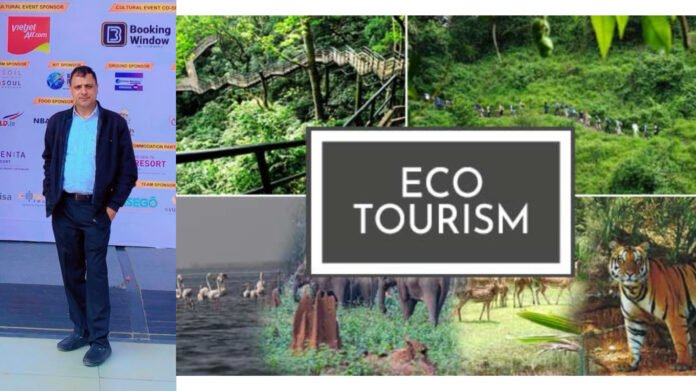
As travelers become increasingly conscious of their environmental impact, eco-tourism has emerged as one of the fastest-growing trends in the travel industry. More than just visiting natural destinations, eco-tourism promotes responsible travel that conserves the environment, protects wildlife, and supports local communities. In India, and particularly in Rajasthan, travelers are looking beyond traditional sightseeing to explore wetlands, wildlife sanctuaries, rural landscapes, and community-led conservation initiatives.
To understand the growing significance of eco-tourism and the opportunities it presents, we spoke with Sunil Valwani, Owner of Empire Tours & Travels, about sustainable travel, emerging destinations, and the future of eco-tourism in Rajasthan and beyond.
Q. How would you define eco-tourism, and how is it reshaping the way people travel in India today?
Sunil Valwani: At Empire Tours & Travels, we define eco-tourism as responsible travel that protects the environment, conserves wildlife, and supports local communities while providing meaningful experiences to visitors. In Rajasthan, eco-tourism is encouraging travelers to move beyond traditional fort and palace tours and explore wildlife sanctuaries, rural villages, wetlands, and nature-based destinations. Travelers are increasingly seeking authentic experiences that benefit local communities and preserve Rajasthan’s natural heritage.
Q. Which eco-tourism destinations in India are currently standing out, and what makes them unique from a sustainability perspective?
Sunil Valwani: Several destinations have emerged as leading examples of sustainable tourism in India. Periyar Tiger Reserve is known for its community-based tourism and conservation efforts, while Kaziranga National Park has become a model for wildlife protection through its successful rhinoceros conservation program. The Sundarbans showcase how tourism can coexist with a fragile mangrove ecosystem, and Spiti Valley promotes low-impact travel through sustainable homestays.
In Rajasthan, destinations such as Jawai, Ranthambore National Park, Keoladeo National Park, Menar Wetland, and Bera demonstrate how conservation, community participation, and tourism can work together to create lasting environmental and economic benefits.
Q. Can you recommend a few lesser-known eco-tourism destinations that travelers should explore and why?
Sunil Valwani: Travelers looking beyond mainstream destinations should consider Mawlynnong in Meghalaya, Great Himalayan National Park in Himachal Pradesh, and Ziro Valley in Arunachal Pradesh. In Rajasthan, Menar Wetland offers exceptional birdwatching opportunities, Tal Chhapar Wildlife Sanctuary is famous for blackbucks and migratory birds, Kumbhalgarh Wildlife Sanctuary provides rich biodiversity within the Aravalli landscape, while Bera and Desert National Park offer unique wildlife experiences in relatively untouched environments.
Q. How have traveler preferences evolved in recent years when it comes to sustainable and responsible tourism?
Sunil Valwani: Today’s travelers are far more environmentally conscious than before. Many now prefer wildlife experiences, birdwatching tours, village stays, nature walks, and eco-friendly accommodations instead of conventional sightseeing alone. There is a growing desire to visit destinations where tourism directly contributes to conservation and supports local livelihoods.
Q. What role do local communities play in creating authentic and successful eco-tourism experiences?
Sunil Valwani: Local communities are the backbone of eco-tourism. In places such as Jawai, Bera, and Menar, residents actively participate through guiding services, homestays, cultural experiences, hospitality, and conservation efforts. Their involvement ensures that tourism revenue reaches local families while helping preserve the environment and traditional ways of life.
Q. In your view, what makes an eco-tourism destination genuinely sustainable rather than simply using ‘green’ marketing?
Sunil Valwani: Genuine sustainability goes beyond promotional claims. It requires real commitment to wildlife and habitat conservation, responsible waste management, controlled tourism activities, community participation, local employment generation, protection of natural resources, and environmental education for visitors. The true measure of sustainability lies in positive environmental and social outcomes.
Q. What are some of the biggest challenges facing eco-tourism destinations in Rajasthan today?
Sunil Valwani: The major challenges include increasing tourist pressure on sensitive ecosystems, waste management issues in remote areas, water scarcity in arid regions, disturbance to wildlife habitats, unplanned infrastructure development, and limited awareness about responsible tourism practices. Addressing these challenges requires cooperation between communities, tourism operators, and government agencies.
Q. How can tourists reduce their environmental impact while visiting ecologically sensitive regions?
Sunil Valwani: Responsible travel begins with simple choices. Visitors should avoid single-use plastics, respect wildlife by maintaining safe distances, stay on designated trails, conserve water and electricity, support local businesses and guides, follow park regulations, and choose eco-friendly accommodations whenever possible. These actions collectively help protect fragile ecosystems.
Q. Are there any eco-friendly accommodations, community-led initiatives, or tourism models in Rajasthan that you consider exemplary?
Sunil Valwani: The community-based wildlife tourism model in Jawai and Bera is an excellent example of sustainable tourism in action. Menar’s bird conservation initiative also demonstrates how local communities can successfully protect biodiversity while benefiting from tourism. Additionally, many eco-lodges and rural homestays across Rajasthan are adopting practices such as rainwater harvesting, solar energy use, and local sourcing.
Q. Which regions of Rajasthan have the greatest untapped potential for eco-tourism, and why?
Sunil Valwani: Jawai and the surrounding Aravalli landscapes, Menar Wetland, Tal Chhapar Wildlife Sanctuary, Desert National Park, and the rural areas around Kumbhalgarh Wildlife Sanctuary all hold tremendous potential. These regions offer rich biodiversity, diverse ecosystems, wildlife experiences, birdwatching opportunities, and authentic cultural interactions while remaining relatively unexplored.
Q. Can eco-tourism serve as a meaningful tool for both environmental conservation and rural economic development?
Sunil Valwani: Absolutely. Eco-tourism generates employment through guiding services, transportation, hospitality, handicrafts, and homestays. When communities benefit economically from tourism, they gain a stronger incentive to protect forests, wetlands, wildlife, and traditional cultural practices. This creates a sustainable balance between conservation and development.
Q. What advice would you give to travelers who want their journeys to positively contribute to local communities and the environment?
Sunil Valwani: Travel responsibly and consciously. Choose locally owned accommodations, hire local guides, respect wildlife, minimize waste, conserve natural resources, and support community-led tourism initiatives. Every responsible travel decision contributes to preserving India’s natural heritage while improving local livelihoods.
Conclusion
Eco-tourism is redefining travel by placing sustainability, conservation, and community welfare at the heart of the journey. As highlighted by Sunil Valwani, destinations across India, and particularly in Rajasthan, are demonstrating that tourism can be both environmentally responsible and economically beneficial. For travelers seeking meaningful experiences, eco-tourism offers an opportunity not only to explore nature but also to contribute to its preservation for future generations.