

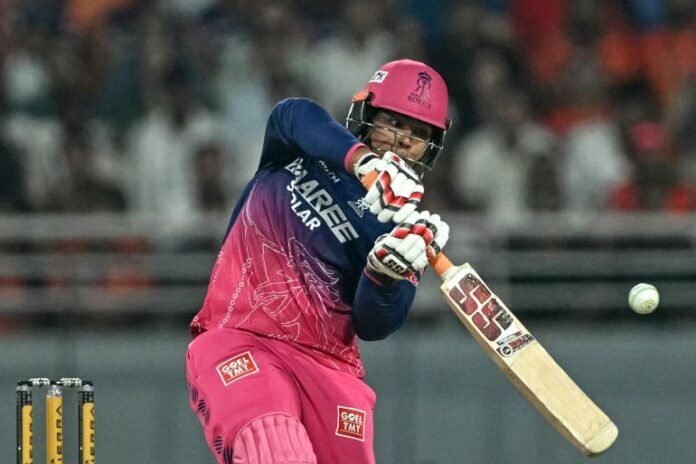
When 15-year-old Vaibhav Sooryavanshi finished IPL 2026 as the tournament’s leading run-scorer and smashed a record 72 sixes in a single season, cricket fans were left wondering: how does a teenager achieve what seasoned international stars struggle to accomplish?
The answer may soon become the subject of academic research.
The Indian Institute of Management (IIM) Indore has announced plans to conduct a detailed case study on the young Rajasthan Royals star. The study aims to understand not only his cricketing success but also the psychological, social, and environmental factors that enabled him to excel at such a young age.
Vaibhav’s rise has been nothing short of extraordinary. During IPL 2026, he rewrote record books by winning five major individual awards, including the Orange Cap, Most Valuable Player (MVP), Emerging Player of the Season, Super Striker, and Super Sixes awards. His fearless batting style, exceptional hand-eye coordination, and ability to dominate world-class bowlers have made him one of the most talked-about young athletes in the world.
However, IIM Indore’s proposed study goes beyond statistics. Researchers are expected to examine how talent develops under pressure, what role family support and coaching play in shaping elite performers, and how young athletes cope with expectations, fame, and intense competition. Experts believe that understanding such journeys can provide valuable insights not only for sports management but also for education, leadership development, and talent nurturing.
Vaibhav’s story is particularly fascinating because it challenges conventional ideas about age and achievement. In a sport where experience is often considered invaluable, he has demonstrated that preparation, confidence, and the right support system can sometimes outweigh years of professional exposure.
His journey also highlights the importance of a strong ecosystem. Behind every young prodigy are coaches, mentors, family members, and institutions that help transform potential into performance. Sports psychologists often point out that sustained success depends as much on mental resilience and emotional stability as it does on technical skill.
The findings of the study could have implications far beyond cricket. Businesses, educational institutions, and leadership programmes are increasingly interested in understanding how exceptional performers think, learn, and respond to challenges. Vaibhav’s development could offer lessons in discipline, adaptability, decision-making, and high-performance management.
For now, the teenager remains focused on cricket. But as researchers prepare to analyse the factors behind his remarkable success, Vaibhav Sooryavanshi is becoming more than just a cricketing sensation. He is emerging as a case study in excellence, an example of how talent, hard work, mentorship, and opportunity can combine to create something truly extraordinary.
At just 15, Vaibhav has already rewritten IPL history. The next chapter of his story may help redefine how India understands and develops young talent.