

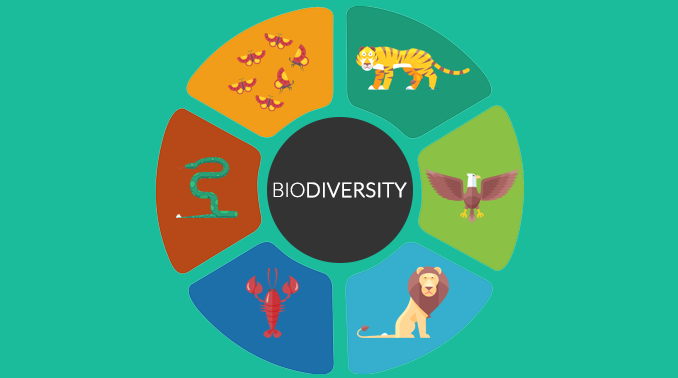
From the towering forests of the Amazon to the tiny microorganisms living beneath our feet, life on Earth exists in an extraordinary interconnected network known as biological diversity, or biodiversity. It refers to the variety of all living organisms — plants, animals, fungi and microorganisms — along with the ecosystems they form and the genetic differences within species. Simply put, biodiversity is the rich tapestry of life that keeps our planet functioning.
Biological diversity is generally divided into three levels: genetic diversity, species diversity and ecosystem diversity. Genetic diversity ensures that species can adapt to environmental changes, species diversity refers to the variety of living organisms, while ecosystem diversity includes forests, deserts, wetlands, oceans and grasslands that support life in different ways.
Biodiversity is not merely about protecting wildlife or rare species; it is essential for human survival. Healthy ecosystems provide us with clean air, fresh water, fertile soil, medicines and food. Pollinators such as bees help grow crops, forests regulate climate and absorb carbon dioxide, while oceans sustain millions of livelihoods. Nearly every aspect of human life — directly or indirectly — depends on biodiversity.
However, the planet’s biological richness is under severe threat. Climate change, deforestation, pollution, rapid urbanisation, habitat destruction and illegal wildlife trade are accelerating biodiversity loss at an alarming rate. Scientists warn that many species are disappearing faster than ever before in human history, creating ecological imbalances that could affect food security, health and economies worldwide.
India, one of the world’s megadiverse countries, holds nearly 8% of global biodiversity despite covering only about 2.4% of Earth’s land area. From the Himalayas and Western Ghats to the Sundarbans and Thar Desert, the country is home to thousands of unique species of flora and fauna. Conservation efforts through national parks, wildlife sanctuaries, afforestation drives and sustainable development policies are increasingly becoming crucial.
The International Day for Biological Diversity, observed every year on May 22, serves as a reminder that protecting nature is not a choice but a necessity. Conservation is no longer limited to governments and environmental organisations alone. Individuals can contribute by reducing waste, conserving water, planting trees, supporting sustainable products and respecting natural habitats.
Biological diversity is often called the “web of life” because every species, no matter how small, plays a role in maintaining ecological balance. The future of humanity is deeply connected with the future of nature. Protecting biodiversity today means protecting life, livelihoods and the planet for generations to come.