

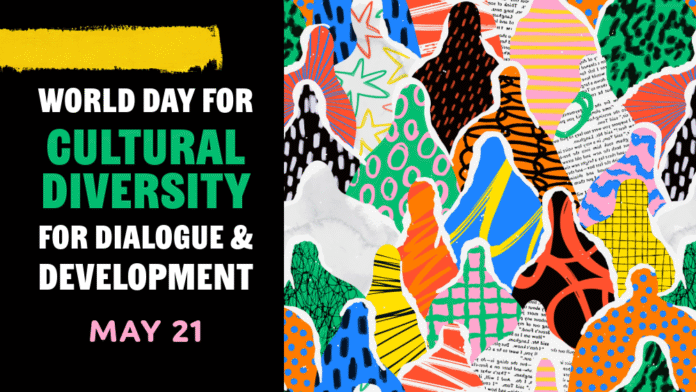
In a world shaped by countless languages, traditions, beliefs and artistic expressions, cultural diversity remains one of humanity’s greatest strengths. Every year on May 21, the world observes the World Day for Cultural Diversity for Dialogue and Development, a United Nations-recognised day that celebrates the richness of global cultures while promoting peace, understanding and mutual respect among people.
The observance was established by the United Nations General Assembly in 2002 following UNESCO’s adoption of the Universal Declaration on Cultural Diversity in 2001. The declaration recognised culture not merely as heritage or tradition, but as a powerful force for sustainable development, peaceful coexistence and human progress.
The day serves as a reminder that cultural diversity is far more than differences in food, clothing or festivals. It includes languages, music, literature, values, indigenous traditions, art forms and ways of life that shape communities across the globe. UNESCO believes that dialogue between cultures is essential in combating prejudice, intolerance and conflict. In an increasingly interconnected world, understanding one another’s cultures has become more important than ever.
According to the United Nations, nearly 89% of current global conflicts occur in countries with low levels of intercultural dialogue, highlighting the urgent need for greater cultural understanding and cooperation. At the same time, the cultural and creative industries contribute significantly to the global economy, supporting millions of jobs worldwide and empowering communities socially and economically.
India stands as one of the strongest examples of cultural diversity in the world. With hundreds of languages, diverse religions, regional traditions, classical art forms and festivals celebrated across states, the country reflects the idea of “unity in diversity.” From Rajasthan’s folk traditions and Kerala’s classical dance forms to the cuisines, music and crafts of the Northeast, India’s cultural landscape showcases how diversity can coexist harmoniously.
The World Day for Cultural Diversity is often marked through cultural festivals, exhibitions, educational programmes, dialogues, performances and community activities that encourage people to learn about cultures different from their own. Schools, universities, museums and cultural institutions across the world organise events promoting inclusion, tolerance and intercultural exchange.
In an age where societies are becoming increasingly polarised, this day carries a deeper message: diversity should not divide humanity but enrich it. Cultural exchange fosters empathy, creativity and innovation, helping societies become more peaceful and resilient.
Ultimately, the World Day for Cultural Diversity is not only about celebrating differences — it is about recognising the shared human values that connect people across borders. In understanding another culture, we often discover not how different we are, but how deeply connected humanity truly is.