

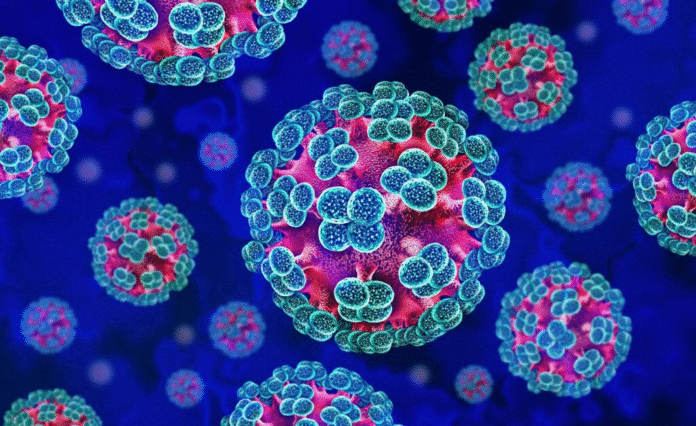
The United States Centers for Disease Control and Prevention (CDC) has officially classified the recent hantavirus outbreak as a Level 3 emergency response. The announcement was made on 8 May 2026 as health authorities intensified monitoring and international contact-tracing efforts linked to the outbreak.
The classification represents the CDC’s lowest emergency activation level but still involves active surveillance, deployment of emergency support teams, and activation of emergency operations systems to manage the public health situation.
What Is the CDC Level 3 Emergency Response?
The CDC uses a tiered emergency response system to coordinate actions during disease outbreaks, natural disasters, and other health emergencies.
A Level 3 emergency response indicates:
- Continuous public health monitoring
- Emergency Operations Center activation
- Deployment of specialized support teams
- Coordinated communication with global health agencies
According to the CDC, the current hantavirus outbreak poses a low risk to the general public, but authorities remain cautious due to the international nature of the exposure.
What Is Hantavirus?
Hantavirus refers to a group of viruses primarily spread through contact with infected rodents, especially through:
- Rodent urine
- Droppings
- Saliva
- Contaminated surfaces or dust particles
Hantavirus infections can lead to severe respiratory illnesses and other complications in humans. Most outbreaks are associated with rodent exposure in rural or poorly sanitized environments.
Andes Strain Raises Concerns
The outbreak involves the Andes strain of hantavirus, a rare variant that has drawn attention because of its potential for limited human-to-human transmission.
Unlike most hantavirus strains, which spread only from rodents to humans, the Andes strain has previously shown evidence of transmission between people in isolated cases. Health officials are therefore closely monitoring all identified contacts.
MV Hondius Cruise Ship Linked to Outbreak
The outbreak has been connected to the Dutch-flagged cruise ship MV Hondius, operated by Oceanwide Expeditions.
Key details include:
- Approximately 150 passengers were onboard
- Travelers represented 23 different nationalities
- The first confirmed case was reported on 2 May 2026
- Passengers disembarked on 24 April 2026
International health agencies have launched extensive tracing efforts to identify and monitor potentially exposed individuals.
WHO Reports Confirmed Cases and Deaths
As of 8 May 2026, the World Health Organization (WHO) reported:
- 5 confirmed hantavirus cases
- 3 suspected cases
- 3 deaths linked to the outbreak
More than two dozen people across at least 12 countries are currently being traced following possible exposure during the voyage.
Despite the seriousness of the infections, the WHO stated that the outbreak is not expected to develop into a large-scale global epidemic similar to COVID-19.
Ship to Undergo Medical Assessment in Canary Islands
Health officials confirmed that the MV Hondius was expected to dock in the Canary Islands, Spain, where further medical evaluations and containment procedures would be conducted.
Authorities continue to coordinate internationally to prevent additional transmission and ensure passenger safety.
Important Facts
- The CDC is the national public health agency of the United States.
- Hantavirus infections are mainly linked to rodents and contaminated environments.
- The Andes strain is one of the few hantavirus variants studied for possible human-to-human transmission.
- The WHO is the specialized health agency of the United Nations.
- Level 3 is the CDC’s lowest emergency response activation level.
Conclusion
The CDC’s Level 3 classification of the hantavirus outbreak highlights the importance of rapid monitoring and international coordination during emerging health threats. While experts believe the risk to the wider public remains low, ongoing investigations into the Andes strain and the cruise ship exposure continue to attract global attention.