

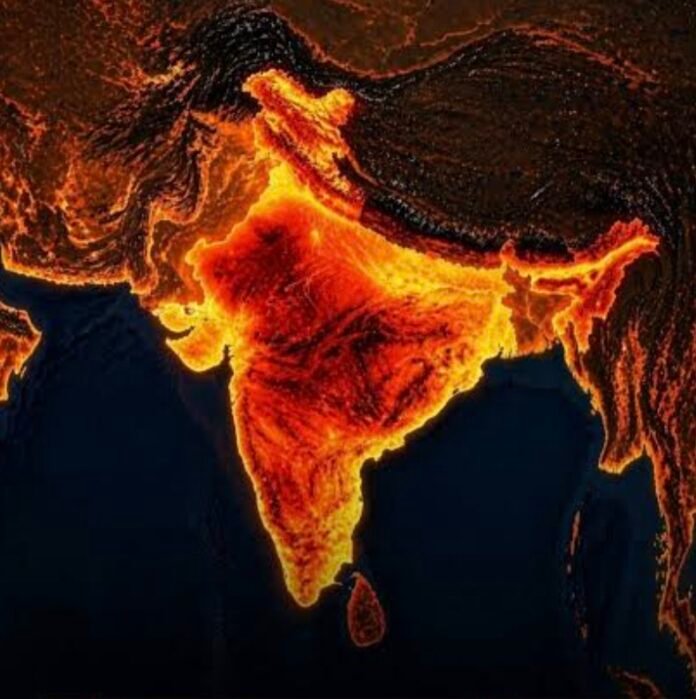
India is not merely experiencing a seasonal rise in temperatures—it is currently at the epicentre of a global heat crisis. Recent data from global temperature trackers shows an alarming trend: Indian cities are dominating the list of the world’s hottest places, with an overwhelming majority of the top 100 spots occupied by locations across the country.
From Azamgarh and Bareilly in Uttar Pradesh to Hisar in Haryana, Ludhiana in Punjab, Agra in Uttar Pradesh, and Rourkela in Odisha, temperatures are consistently soaring between 42°C and 45°C. What is striking is not just the intensity, but the scale—this is not a regional heatwave, but a widespread phenomenon stretching across northern, central, and eastern India simultaneously.
A Heatwave of Unprecedented Scale
Traditionally, heatwaves in India tend to be localised, affecting specific belts such as the northwest or central plateau. However, the current situation is markedly different. Over 100 cities are recording what qualifies as “extreme heat” on the same day, making it one of the most expansive heat events in recent memory.
This widespread pattern aligns with broader concerns in climate science, where scientists have long warned about the increasing frequency and geographical spread of extreme weather events.
What’s Driving the Heat?
Several factors are converging to create this intense and persistent heatwave:
●Deficit in Pre-Monsoon Rainfall: Reduced rainfall has left large parts of the country dry, allowing heat to build rapidly.
●Urban Heat Island Effect: Expanding cities with concrete surfaces trap heat, pushing temperatures even higher in urban areas.
●Hot, Dry Winds: Strong northwesterly winds sweeping across the Indo-Gangetic plains are intensifying the heat.
●Long-term Climate Shifts: Rising global temperatures linked to climate change are making heatwaves more frequent, longer, and more widespread.
The Hidden Danger: Hot Nights
One of the most concerning aspects of this heatwave is the lack of nighttime relief. When temperatures remain high even after sunset, the human body struggles to recover. This significantly raises the risk of heat-related illnesses such as dehydration, exhaustion, and heatstroke.
Could It Get Worse?
Unfortunately, current forecasts suggest that the peak of summer is still ahead. Meteorological projections indicate that temperatures in several regions could climb further, potentially nearing or even crossing 50°C in extreme cases. Combined with dry winds and ground heating, the “feels-like” temperature could be even higher.
India has witnessed extreme temperatures before—crossing 50°C is not unprecedented. However, what is changing now is the simultaneity and scale: more regions are experiencing extreme heat at the same time than ever before.
A Wake-Up Call
This ongoing heatwave is more than just a weather event—it is a stark reminder of the growing impact of climate variability and urbanisation. It highlights the urgent need for adaptive strategies, including better urban planning, increased green cover, water conservation, and public awareness about heat safety.
As India navigates the coming weeks, the focus must remain on preparedness and resilience. Staying hydrated, avoiding peak sun hours, and taking necessary precautions are crucial at an individual level, while systemic changes are needed to address the larger climate challenge.
The message is clear: this is not just another hot summer. It is a glimpse into a future where extreme heat could become the norm unless decisive action is taken.