

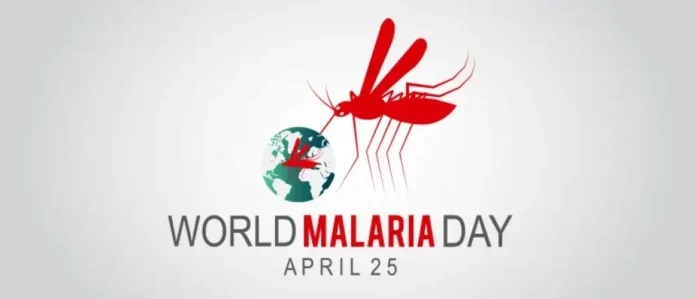
Observed every year on April 25, World Malaria Day is a global health awareness event that underscores the urgent need for sustained efforts to prevent, control, and ultimately eliminate malaria. Instituted by Member States of the World Health Organization during the 2007 World Health Assembly, the day serves as a reminder that despite progress, malaria continues to pose a serious threat to millions worldwide
Why World Malaria Day Matters
World Malaria Day is not just about raising awareness—it is a call to action. It highlights the importance of continued investment in healthcare systems, research, and community outreach. Governments, NGOs, and global organizations use this day to advocate for stronger political commitment and innovative strategies to combat malaria.
Despite being both preventable and treatable, malaria remains a leading cause of illness and death in many parts of the world, particularly in sub-Saharan Africa and parts of Asia. The day emphasizes equity in healthcare access, especially for vulnerable populations such as children and pregnant women.
What is Malaria and How is it Caused?
Malaria is a life-threatening disease caused by parasites of the genus Plasmodium. It is transmitted to humans through the bite of infected female Anopheles Mosquito. Once inside the body, the parasites travel to the liver, multiply, and then infect red blood cells.
There are several types of malaria parasites, with Plasmodium falciparum being the most dangerous and responsible for the majority of severe cases and deaths.
Symptoms to Watch For
Malaria symptoms usually appear 10–15 days after the infective mosquito bite. Common signs include:
●High fever with chills
●Sweating
●Headache and muscle pain
●Nausea and vomiting
●Fatigue
If left untreated, malaria can progress to severe illness, leading to complications such as anemia, organ failure, and even death.
Treatment and Cure
Malaria is treatable, especially when diagnosed early. The most effective treatment involves Artemisinin-based Combination Therapies (ACTs), which are recommended by the World Health Organization
In some cases, preventive medicines may be prescribed for people traveling to high-risk areas. Prompt medical attention is crucial—self-medication or delays can worsen the condition.
Prevention: The First Line of Defense
Preventing mosquito bites remains the most effective way to avoid malaria. Key preventive measures include:
●Using insecticide-treated mosquito nets while sleeping
●Applying mosquito repellents on exposed skin
●Wearing long-sleeved clothing, especially during dusk and dawn
●Ensuring proper sanitation and eliminating stagnant water where mosquitoes breed
●Indoor residual spraying with insecticides
Community-level efforts such as awareness campaigns and improved sanitation infrastructure also play a vital role.
A Collective Responsibility
World Malaria Day reminds us that fighting malaria requires a collective effort—from global policy-makers to local communities. With continued research, better healthcare access, and public awareness, the goal of a malaria-free world is achievable.
On this day, the message is clear: malaria is preventable, treatable, and beatable—but only if we remain committed, informed, and proactive.