


World Book Day Special | Rethinking Reading in Contemporary Times
With insights from Mrs. Ruchi Shrimali
(Book lover, Avid Reader & Founding Member of Kalpvriksh Reading Club, Udaipur)
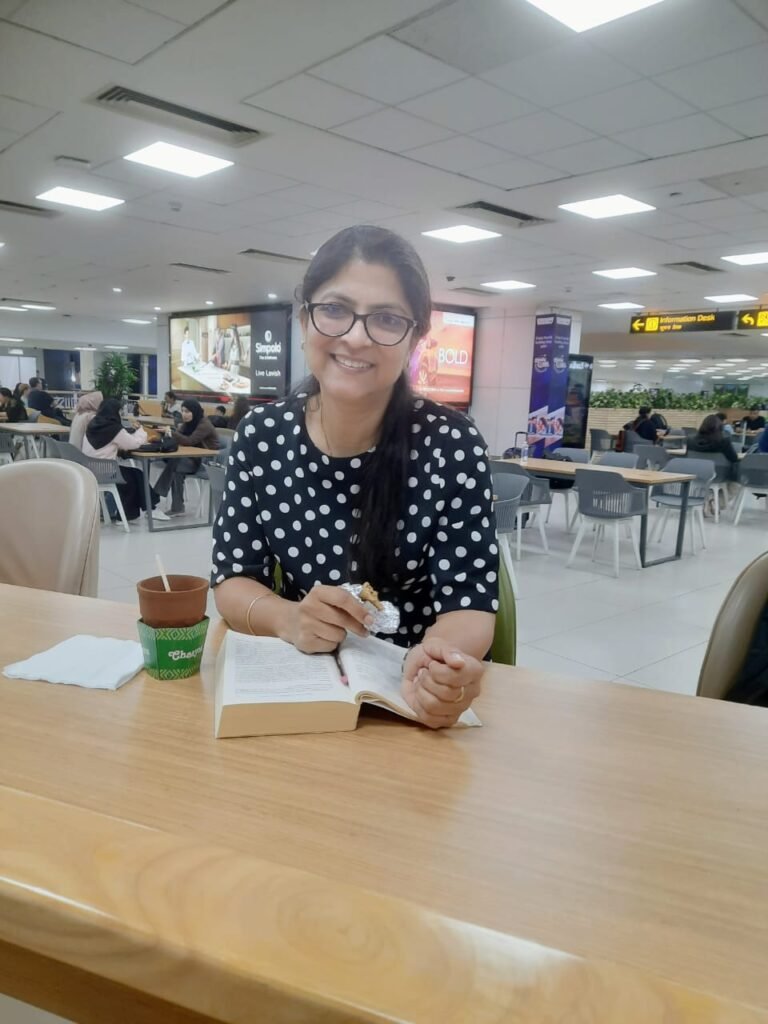
In a world where attention is constantly pulled in multiple directions—through notifications, reels, and endless scrolling—the simple act of sitting down with a book feels almost radical. Yet, every year, World Book Day reminds us to pause and reflect on the enduring value of books and reading.
At a time when digital content dominates daily life, an important question arises: are books losing their place, or are we simply redefining what it means to read? Insights from Mrs. Ruchi Shrimali, offer a nuanced understanding of this evolving relationship between readers and books.
The Enduring Power of Books
Despite the overwhelming presence of digital media, books continue to hold a unique and irreplaceable place in our lives. As Mrs. Shrimali puts it, books are not outdated relics but “powerful tools that can transform lives.” Unlike fleeting social media posts that disappear within seconds, books invite readers into deeper engagement—encouraging reflection, imagination, and sustained thought.
Reading offers knowledge that is layered and meaningful. Whether through fiction or non-fiction, books allow readers to explore ideas in depth, fostering curiosity and lifelong learning. Beyond knowledge, they stimulate creativity. A story does not simply unfold—it is co-created in the reader’s mind, making imagination an active process rather than a passive experience.
Equally important is the sense of calm that reading provides. In an age marked by stress and overstimulation, books offer a quiet escape. Even a short reading session can reduce anxiety and restore focus, making reading not just an intellectual activity but also an emotional refuge.
Reading, Thinking, and Feeling
The value of reading extends far beyond information. Regular reading sharpens critical thinking, enabling individuals to question, evaluate, and interpret ideas rather than accepting them at face value. Over time, this habit cultivates a more open and balanced perspective—one that is essential in navigating today’s complex information landscape.
Reading also plays a profound role in building empathy. By stepping into the lives of characters from different backgrounds, readers experience emotions, struggles, and perspectives that may be far removed from their own realities. This process deepens emotional intelligence and fosters a sense of connection in an increasingly fragmented world.
In this sense, books do not just inform—they humanize.
Are We Reading Less—or Reading Differently?
The past decade has witnessed a dramatic shift in reading habits. Traditional forms such as newspapers, magazines, and printed books have gradually given way to digital formats. Today, reading often happens on screens—through articles, social media threads, blogs, and e-books.
However, this shift does not necessarily indicate a decline in reading. As Mrs. Shrimali observes, people are still reading extensively, but in different ways. Younger generations, in particular, engage with a wide range of content online, often encountering diverse ideas and perspectives that were less accessible earlier.
The challenge, however, lies in the quality and depth of this engagement. The digital world is filled with both valuable insights and overwhelming distractions. Meaningful content is often buried beneath an endless stream of trivial information, making focused reading more difficult than ever.
The Rise of Short-Form Content and Its Impact
One of the most significant changes in recent years is the dominance of short-form content. Designed for quick consumption, it prioritizes speed over depth. While this format caters to convenience, it often disrupts the ability to engage with longer, more complex texts.
Frequent interruptions—notifications, messages, and the urge to switch between apps—have reduced attention spans. As a result, sustained reading requires greater effort and discipline. Even when reading books, many find themselves pausing frequently, struggling to maintain concentration.
This shift has implications not only for readers but also for writers, who increasingly adapt their styles to retain attention in shorter bursts. Yet, the essence of deep reading—the ability to immerse oneself fully in a text—remains irreplaceable.
Digital vs Physical: A Question of Experience
The debate between digital and physical books often frames them as competitors, but they may be better understood as complementary formats. Digital reading offers undeniable advantages—portability, accessibility, and convenience. E-books and audiobooks allow readers to engage with literature anytime, anywhere.
However, physical books continue to offer a sensory and immersive experience that digital formats struggle to replicate. The feel of paper, the rhythm of turning pages, and the visual memory of a book’s layout contribute to deeper engagement and retention.
As Mrs. Shrimali reflects, while digital formats may continue to grow, the charm and intimacy of physical books remain unmatched. The future of reading, therefore, may not be about replacement, but coexistence.
Rebuilding Focus in a Distracted World
A key challenge facing readers today is the decline in attention span. Constant digital engagement has conditioned the mind to seek quick rewards, making it harder to sustain focus on a single task.
Rebuilding this focus requires intentional effort. Creating dedicated reading time, minimizing distractions, and approaching reading as a mindful activity can help restore the habit of deep engagement. Even small steps—such as reading for 20–30 minutes daily—can gradually strengthen concentration.
Striking a balance between digital consumption and meaningful reading is not about rejecting technology, but about using it consciously.
The Revival of Reading Through Communities
In recent years, reading clubs and communities have emerged as vital spaces for nurturing reading culture. They transform reading from a solitary activity into a shared experience—one that encourages dialogue, interpretation, and connection.
As Mrs. Shrimali highlights, reading clubs allow individuals to encounter diverse perspectives. A book that may seem straightforward to one reader can take on entirely new meanings when discussed in a group. This exchange of ideas enriches understanding and deepens engagement.
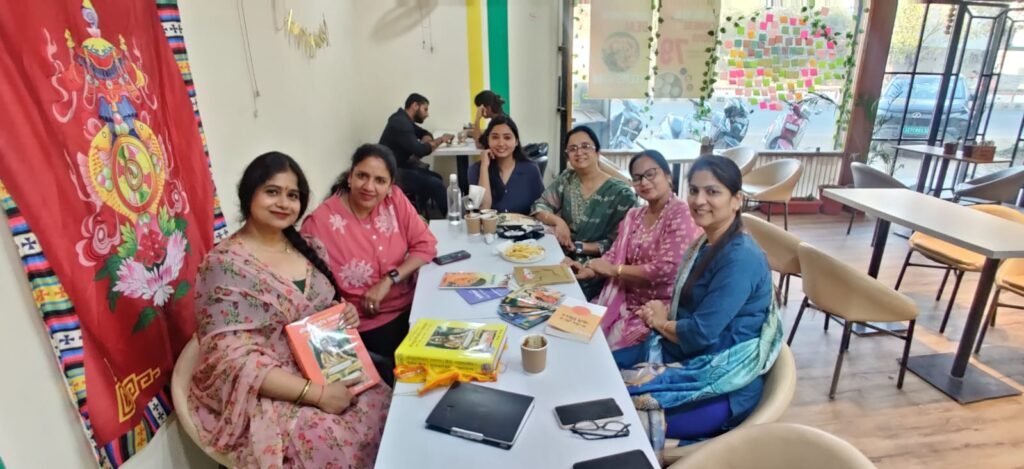
Beyond intellectual benefits, reading communities also foster social connections. They create welcoming spaces where people can bond over shared interests, making reading both enjoyable and sustainable.
Addressing the Challenges
Despite its many benefits, developing a consistent reading habit remains a challenge for many. Time constraints, digital distractions, and the perception of reading as a demanding task often act as barriers.
Addressing these challenges requires a shift in approach. Reading should be seen not as an obligation but as a source of pleasure and enrichment. Choosing books that genuinely interest the reader, setting realistic goals, and integrating reading into daily routines can make the habit more accessible.
Community support, such as joining a reading club, can further reinforce consistency and motivation.
The Role of Society in Promoting Reading
The responsibility of nurturing a reading culture does not rest solely on individuals. Schools, families, and institutions play a crucial role in shaping attitudes toward reading. Encouraging children to read from an early age, providing access to libraries, and creating environments that value books can have a lasting impact.
Public initiatives, literary events, and community-driven efforts can also help revive interest in reading. In this context, organizations like UNESCO , which promotes World Book Day globally, play an important role in emphasizing the cultural and educational significance of books.
A Quiet but Powerful Choice
Ultimately, the question is not whether books are losing relevance, but whether we are willing to make space for them in our lives. In a world designed for speed and distraction, reading requires patience and intention—but it rewards us with depth, clarity, and connection.
World Book Day serves as a reminder that books are more than just objects; they are gateways to knowledge, empathy, and imagination. They slow us down, invite us to think, and help us understand both the world and ourselves a little better.
In choosing to read, we are not just preserving a habit—we are embracing a way of seeing, feeling, and thinking that remains as vital today as ever.
Because in the end, amidst all the noise, a book still offers something rare: the space to truly pause, reflect, and grow.