

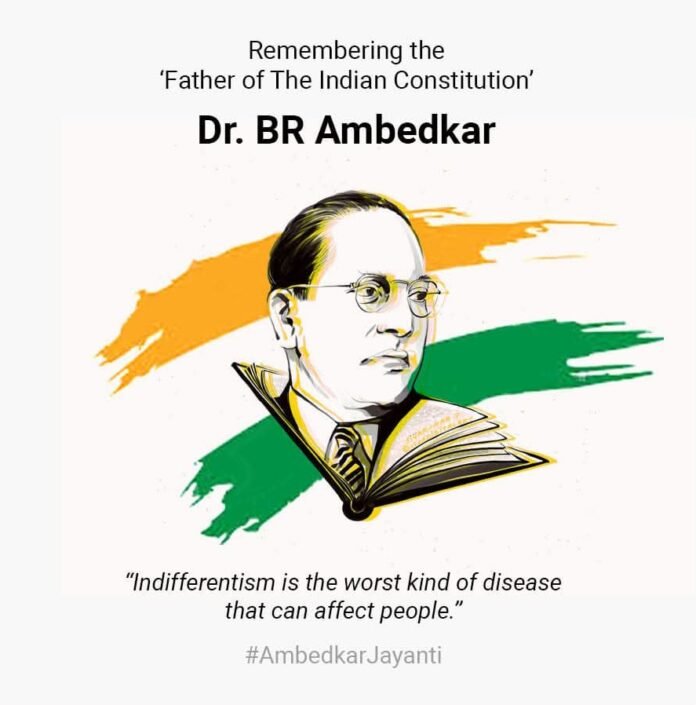
Ambedkar Jayanti, celebrated every year on April 14, marks the birth anniversary of Dr. B.R. Ambedkar —one of India’s greatest thinkers, reformers, and nation-builders. In 2026, the country commemorates his 135th birth anniversary, remembering his unparalleled contributions to social justice, equality, and the making of modern India.
Born in 1891 in Mhow (now in Madhya Pradesh), Dr. Ambedkar rose from the harsh realities of caste-based discrimination to become a global scholar and a powerful voice for the oppressed. He pursued higher education at prestigious institutions like Columbia University and the London School of Economics, equipping himself with knowledge that he later used to challenge deep-rooted social inequalities in India.
Ambedkar Jayanti is celebrated not just as a remembrance of his birth, but as a reaffirmation of his ideals—liberty, equality, and fraternity. The day highlights his lifelong struggle against untouchability and his efforts to secure dignity and rights for marginalized communities, especially the Dalits.
One of his most significant contributions was his role as the Chairman of the Drafting Committee of the Indian Constitution. Dr. Ambedkar played a pivotal role in shaping the framework of the world’s largest democracy. The Constitution of India reflects his vision of a just society, guaranteeing fundamental rights, abolishing untouchability, and ensuring equality before the law. His emphasis on constitutional morality and democratic values continues to guide the nation.
Beyond constitution-making, Ambedkar was a prolific writer, economist, and social reformer. He advocated for women’s rights, labor welfare, and education as tools of empowerment. His landmark work, Annihilation of Caste, remains a powerful critique of the caste system. In 1956, shortly before his death, he embraced Buddhism along with millions of followers, initiating a significant social and spiritual movement.
Dr. Ambedkar’s legacy is both vast and enduring. He is widely remembered as the “Father of the Indian Constitution” and a champion of human rights. His ideas continue to inspire movements for social justice not only in India but across the world.
On Ambedkar Jayanti, tributes pour in from across the country. Leaders, citizens, and institutions pay homage by visiting his statues, organizing seminars, and conducting awareness programs. Prominent sites like Deekshabhoomi in Nagpur and Chaitya Bhoomi in Mumbai witness large gatherings of followers who celebrate his life and teachings.
Ambedkar Jayanti is not merely a ceremonial occasion—it is a reminder of the ongoing journey towards equality and justice. As India honors Dr. B. R. Ambedkar, it also renews its commitment to the values he stood for, ensuring that his vision continues to shape the nation’s future.