

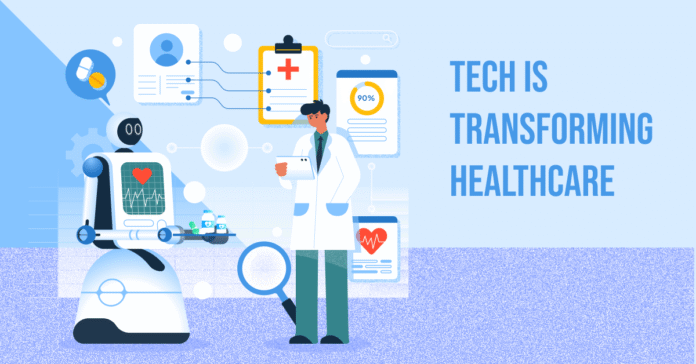
India’s healthcare system is undergoing a profound transformation, driven by rapid technological advancement, policy support, and a growing digital ecosystem. In a country long challenged by gaps in accessibility and infrastructure, technology is emerging as a powerful equaliser—bringing quality healthcare closer to millions. While this shift mirrors global trends, India’s scale, diversity, and innovation make its journey uniquely significant.
Building a Digital Health Ecosystem
A cornerstone of this transformation is the Ayushman Bharat Digital Mission (ABDM), launched to create an integrated digital health infrastructure. At its core is the ABHA (Ayushman Bharat Health Account) number, a unique digital identity that allows individuals to store and access their medical records securely across hospitals and platforms.
By reducing fragmentation in health data, ABDM aims to improve continuity of care, minimise duplication of tests, and make healthcare delivery more efficient and patient-centric.
Telemedicine: Expanding Access Across India
Telemedicine has revolutionised healthcare access, particularly in rural and underserved areas. Its adoption surged during the COVID 19 Pandemic and has since become a vital part of the healthcare system.
Government-backed platforms like eSanjeevani , along with private services such as Practo and Apollo 24/7, enable patients to consult doctors, access prescriptions, and seek follow-up care without the need for travel. This is particularly impactful in regions where specialist care is limited.
Artificial Intelligence: Enhancing Diagnosis and Efficiency
The integration of Artificial Intelligence(AI) is gradually reshaping diagnostics and clinical decision-making in India. AI tools are being used to assist in detecting diseases such as Tuberculosis, cancer, and diabetic eye conditions through analysis of medical images and data.
While adoption is still concentrated in urban hospitals, research institutions, and startups, AI holds significant promise in addressing the shortage of skilled medical professionals and improving diagnostic accuracy at scale.
Preventive Healthcare and Wearables
The growing use of wearable devices like Apple Watch and Fitbit reflects a shift toward preventive healthcare. These devices track vital parameters such as heart rate, sleep patterns, and physical activity, encouraging individuals to take a proactive approach to their health.
Although adoption is currently higher in urban and higher-income groups, such technologies are gradually shaping awareness around lifestyle-related diseases like diabetes and hypertension.
Digitisation of Hospitals and Health Records
Hospitals across India are increasingly adopting Electronic Health Records (EHRs), digital prescriptions, and integrated management systems. This digitisation improves efficiency, reduces medical errors, and enables better coordination among healthcare providers.
Access to real-time patient data allows for more informed decision-making, ultimately improving the quality and continuity of care.
Emerging Frontier: Precision Medicine
Advances in Geonomics are paving the way for personalised or precision medicine—where treatments are tailored to an individual’s genetic profile, lifestyle, and environment. In India, this approach is still at a developing stage and largely limited to specialised hospitals, particularly in oncology, but it represents a promising future direction.
India in the Global Context
Globally, healthcare systems are increasingly embracing digital tools, AI, and data-driven care. India stands out due to its strong IT capabilities, cost-effective innovation, and ability to implement solutions at scale. As digital infrastructure expands, the country is well-positioned to become a leader in affordable and scalable healthcare technology.
Challenges and the Way Forward
Despite significant progress, several challenges remain:
●Ensuring data privacy and cybersecurity
●Bridging the digital divide between urban and rural populations
●Improving digital literacy among patients and healthcare providers
●Strengthening regulatory frameworks for emerging technologies
Addressing these issues will be crucial to ensure equitable and safe adoption of digital healthcare solutions.
Toward a Healthier, Connected India
Technology is not replacing the human touch in medicine—it is enhancing it. In India, where disparities in healthcare access have long existed, digital innovation offers a pathway to more inclusive, efficient, and patient-centric care.
As technology continues to evolve, the convergence of healthcare and digital tools promises not only better treatment outcomes but also a future where quality healthcare is accessible to every citizen—regardless of geography.