

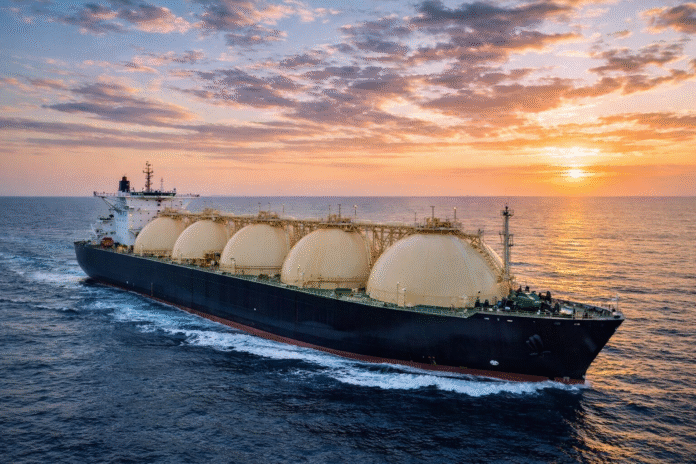
PC( Global LNG Hub)
In a dramatic turn for global energy markets, rising geopolitical tensions in the Middle East have significantly disrupted the outlook for liquefied natural gas (LNG) supply, even as demand continues to grow. Earlier projections indicated that global LNG supply would increase by nearly 10% this year, reaching between 460 million and 484 million metric tons, driven largely by new production capacity coming online in the United States and Qatar. However, recent developments have sharply altered that trajectory.
Supply Shock: Strait of Hormuz and Qatar Disruptions
The situation escalated after Iran reportedly blocked the Strait of Hormuz—one of the world’s most critical energy chokepoints, responsible for handling nearly 20% of global LNG flows. Compounding the crisis, damage to Qatar’s liquefaction infrastructure has taken 12.8 million tons per year of LNG capacity offline, with repairs expected to take between three to five years. Leading energy consultancies, including S&P Global Energy, ICIS, Kpler, and Rystad Energy, have revised their forecasts, cutting global LNG supply projections by as much as 35 million tons. To put this into perspective, the shortfall is equivalent to around 500 LNG cargoes—enough to meet over half of Japan’s annual LNG imports or supply Bangladesh for up to five years.
Market Impact: Slower Demand Growth Expected
The supply crunch is already influencing global demand expectations. According to S&P Global Energy analyst Lucien Mulberg, the emerging gas price crisis may force countries to rethink their energy strategies. “We expect this gas price crisis will lead some countries to reconsider growing their gas demand at the rate we previously forecast,” Mulberg said, adding that LNG demand growth is now likely to slow compared to pre-conflict estimates. S&P Global Energy also anticipates a 33-million-tonne drop in LNG exports from Qatar and the United Arab Emirates this year. Additionally, longer-term supply projections have been reduced by 19 million tons annually between 2027 and 2029, citing delays in major projects such as Qatar’s North Field expansion and ADNOC’s Ruwais LNG development.
Rising Military Tensions: Iran–Israel Conflict Intensifies
Amid the energy crisis, military tensions between Iran and Israel have further escalated concerns. The Israeli military confirmed that its air defence systems were activated in response to missile launches from Iran. Sirens were sounded across central Israel, including parts of Jerusalem and the occupied West Bank. In official statements, the military reported identifying incoming missiles and deploying interception systems to neutralize the threat. Shortly after the initial alert, authorities stated that civilians were permitted to leave protected areas. Israel’s emergency service, Magen David Adom, reported no casualties following the attacks.