

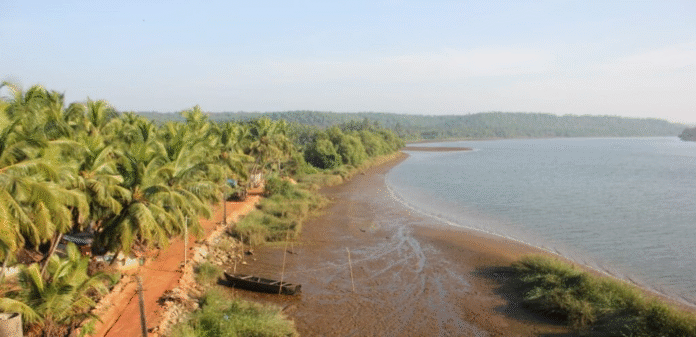
The United Nations Educational, Scientific and Cultural Organisation (UNESCO) has expressed concern over the proposed Aghanashini–Vedavathi river-linking project, urging India to strictly adhere to World Heritage conservation norms. The response follows a representation by environmental activists highlighting potential ecological risks in the ecologically sensitive Western Ghats region.
UNESCO’s Advisory on Conservation Norms
UNESCO emphasised that any infrastructure or river-linking project must comply with international guidelines under the World Heritage Convention (1972). It noted that development activities in fragile ecosystems should not disturb environmental balance and must follow sustainable practices. The organisation reiterated that protecting natural heritage sites is the responsibility of member states.
Environmental Concerns Raised by Activists
Environmental groups have opposed the Aghanashini river-linking proposal, citing threats to biodiversity and local ecosystems. Activists argue that diverting large volumes of water could disrupt the natural hydrology of the Western Ghats, a globally recognised biodiversity hotspot. The project may also affect thousands of families dependent on the river system for livelihoods and water security.
Project Details and Opposition
The project proposes diverting around 35 thousand million cubic feet (tmc ft) of water from the Aghanashini River to the Vedavathi River. Critics have labelled the plan unscientific, warning that such diversion could significantly alter natural water flow and reduce rainfall-based water availability. Public opposition has been strong, with memoranda and petitions submitted to authorities, including thousands of signatures from affected communities.
Key Facts
- The Western Ghats is a UNESCO World Heritage Site and a biodiversity hotspot.
- The World Heritage Convention was adopted in 1972.
- River-linking projects aim to transfer water between river basins.
- UNESCO monitors the conservation of natural and cultural heritage sites.